Travel postcards europe
1344×768 · AVIF · CC BY 4.0
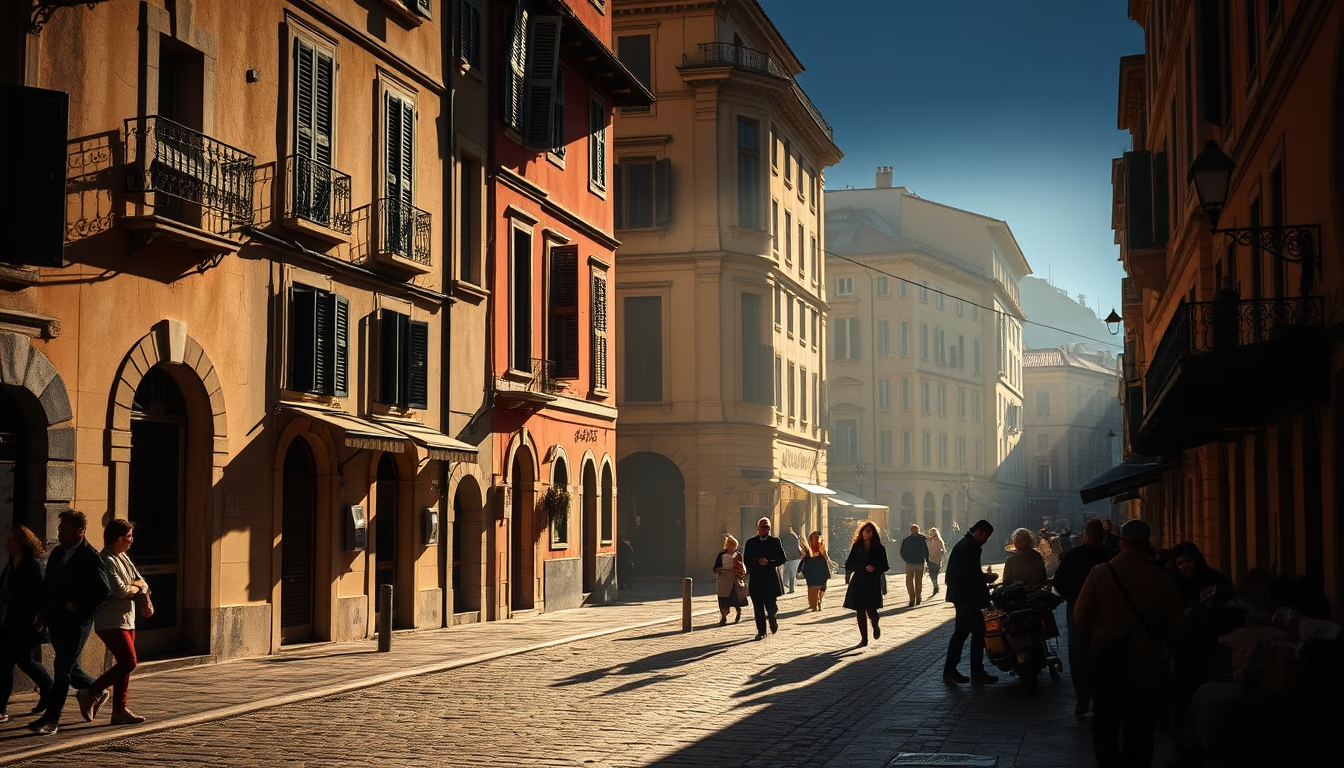
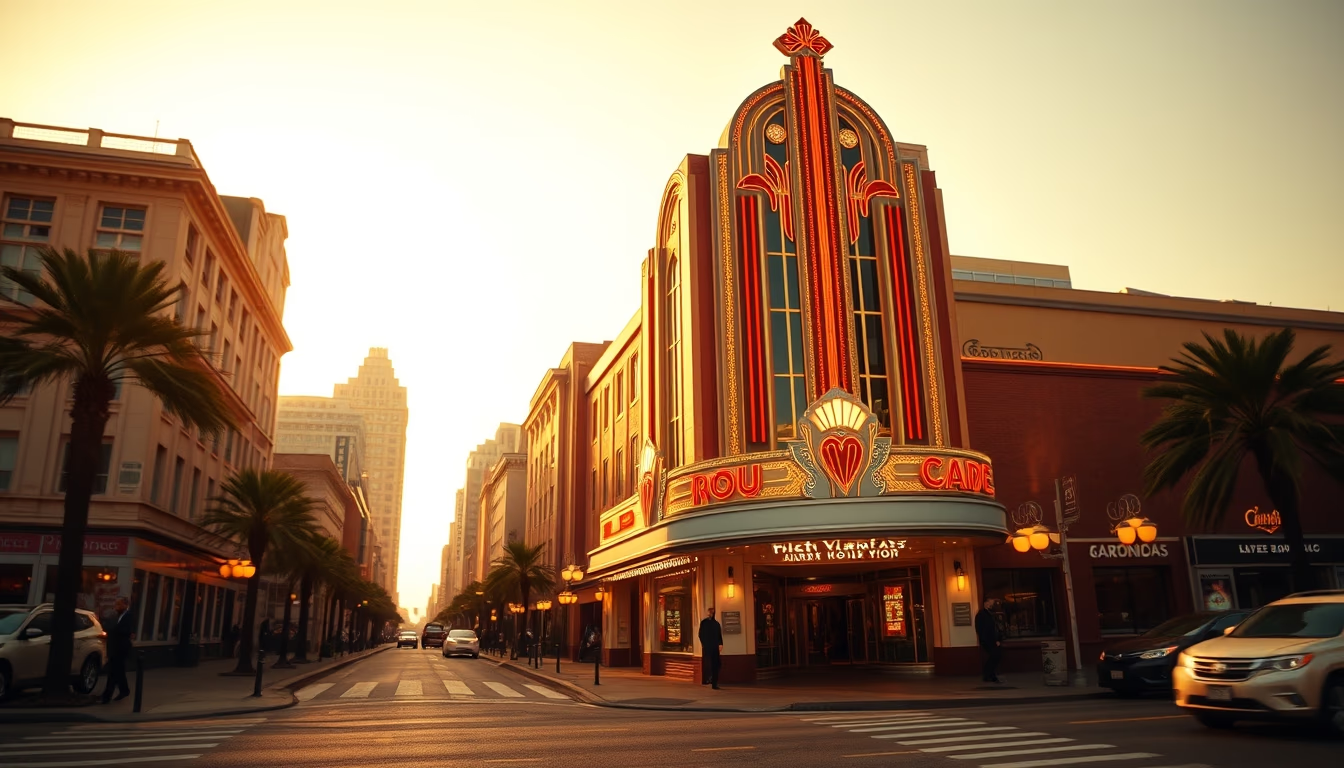
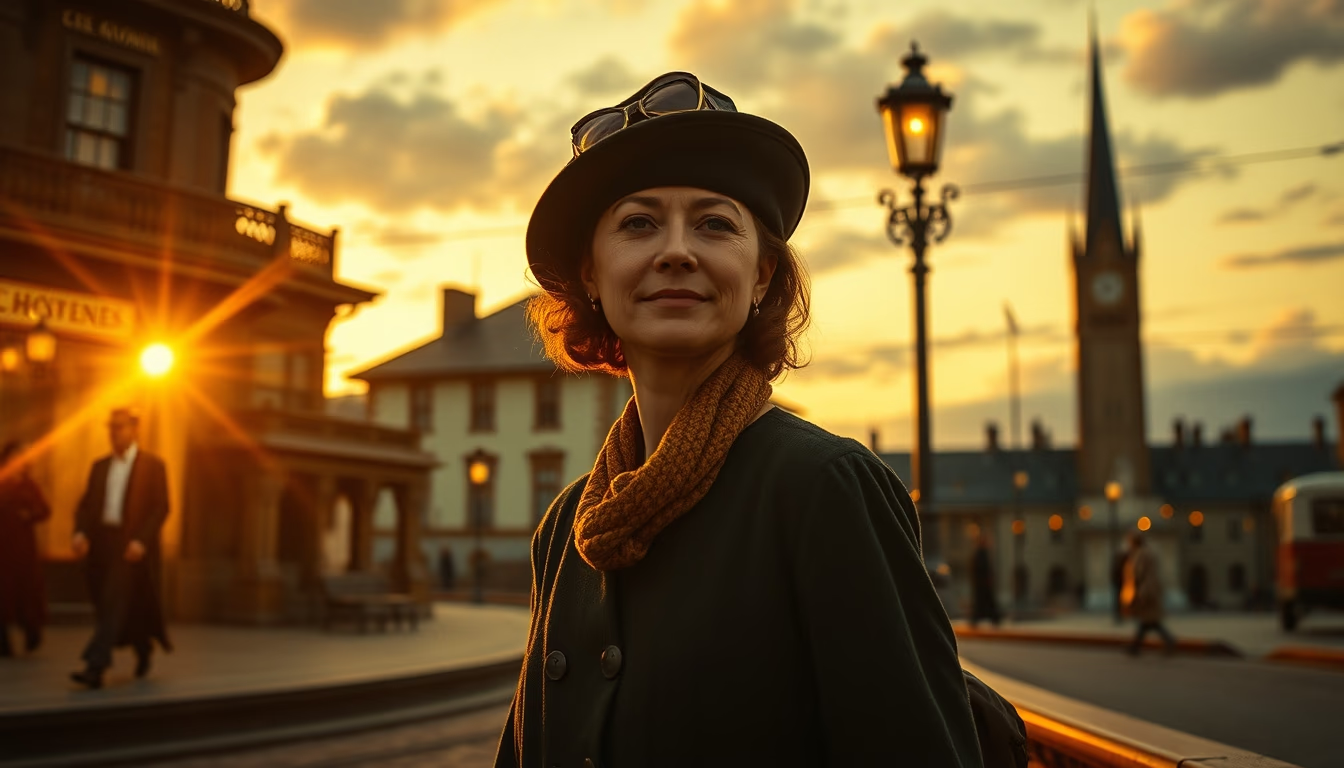
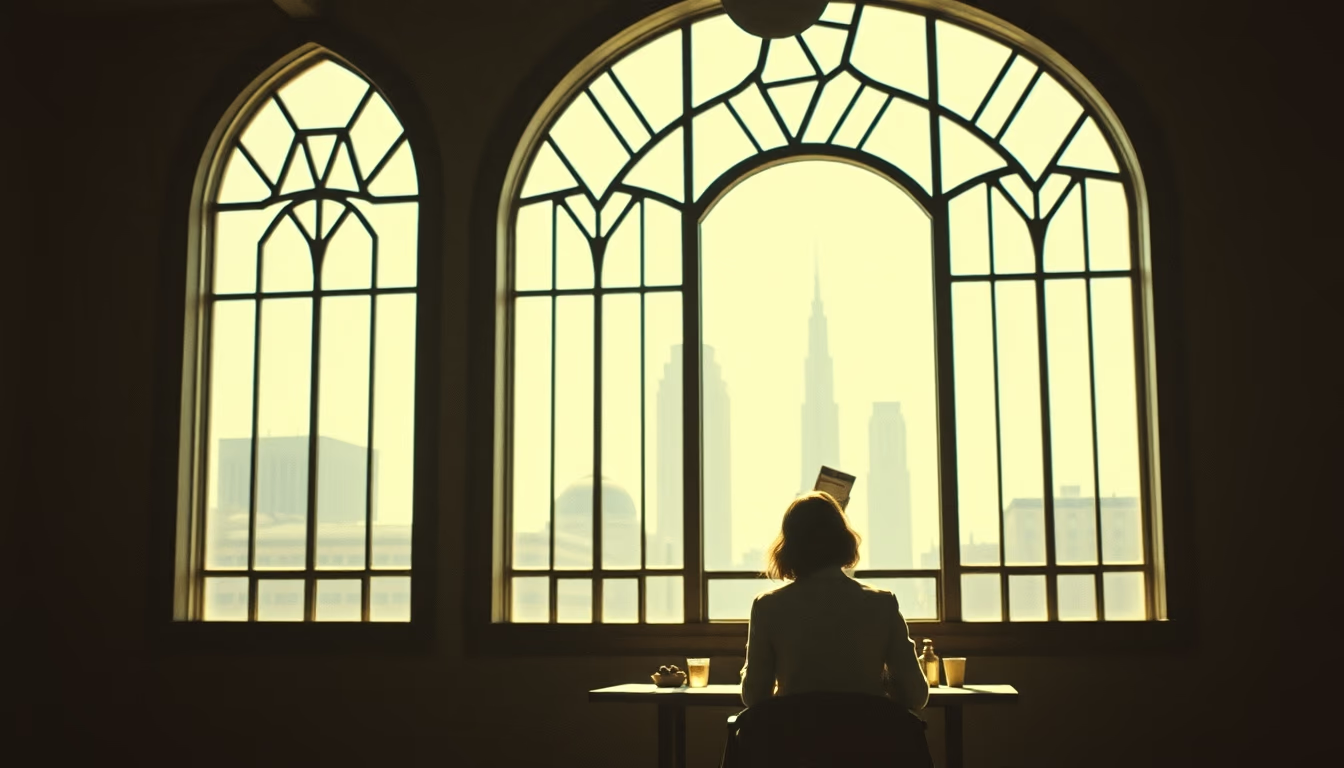
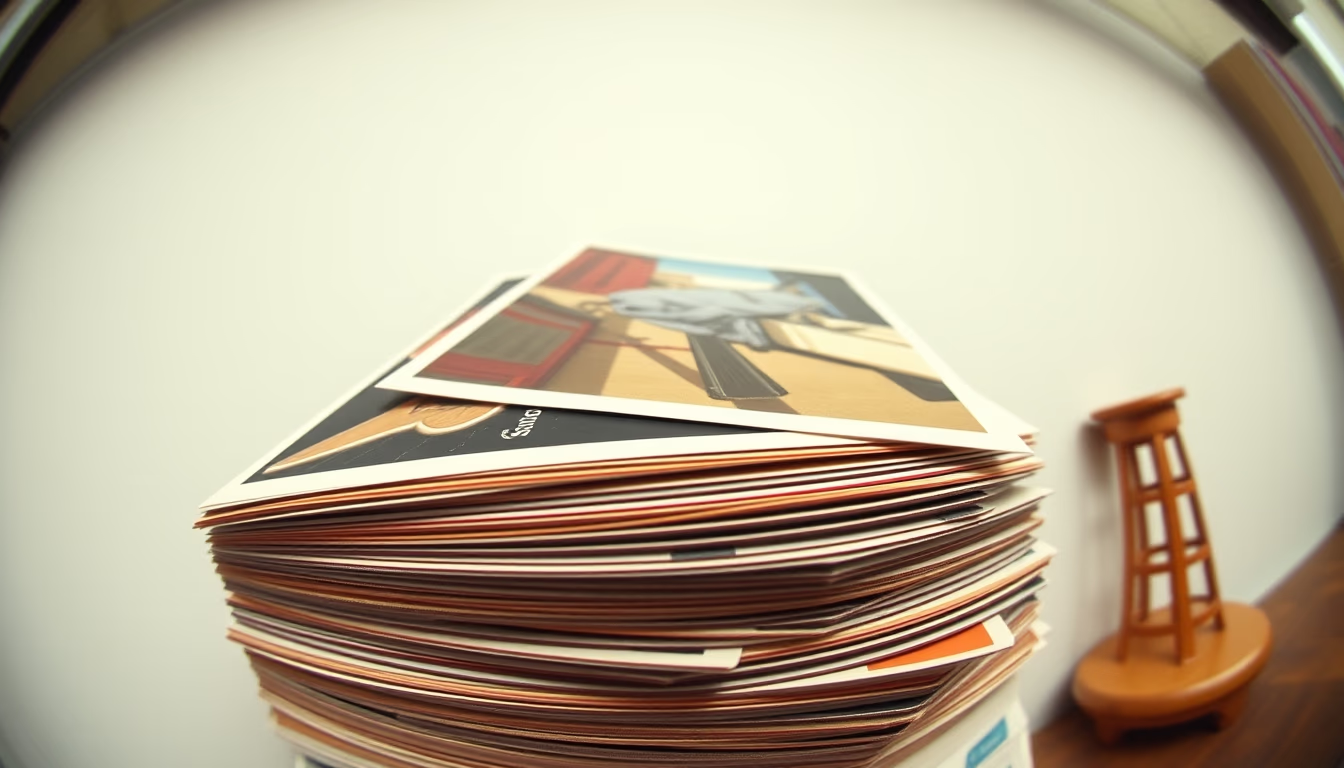
Postais de viagem europeus ganham dramaticidade com iluminação estilo Rembrandt, técnica que realça texturas e contrastes nas paisagens históricas do continente.
Sobre o tema
Os postais de viagem são artefatos culturais que registram a memória visual de destinos turísticos. Na Europa, tradição de enviar cartões-postais remonta ao século XIX, quando a litografia e depois a fotografia permitiram a reprodução em massa de vistas de cidades como Paris, Roma e Praga. Esses objetos não apenas documentam a arquitetura e a paisagem, mas também refletem as técnicas artísticas empregadas para tornar as imagens mais atraentes.
A iluminação Rembrandt, caracterizada por um forte contraste entre luz e sombra com um triângulo de luz sob o olho do sujeito, foi adaptada para a fotografia de postais a partir do estilo do pintor holandês. Essa técnica cria profundidade e drama, transformando cenas comuns em composições memoráveis. Em postais europeus, ela pode destacar fachadas barrocas, vielas estreitas ou monumentos iluminados pelo sol baixo, evocando uma atmosfera nostálgica e cinematográfica.
O uso de sombras dramáticas nos postais de viagem também dialoga com o conceito de pitoresco, popular no século XVIII, que valorizava a beleza rústica e irregular. Ao empregar contrastes marcantes, os fotógrafos e editores de cartões-postais buscavam não só informar, mas também emocionar o destinatário, transportando-o mentalmente para o local retratado. Essa prática continua relevante na era digital, onde imagens com iluminação estudada geram maior engajamento em redes sociais.
Colecionadores e historiadores analisam esses postais como documentos visuais que revelam transformações urbanas, modas e técnicas de impressão ao longo do tempo. A iluminação Rembrandt, por sua vez, é um recurso atemporal que conecta a estética dos postais europeus com a tradição da pintura clássica, garantindo que essas imagens perdurem como ícones culturais.
Perguntas frequentes
O que são postais de viagem com iluminação Rembrandt?
São cartões-postais que utilizam a técnica de iluminação Rembrandt, com forte contraste entre luz e sombra, para destacar detalhes arquitetônicos e criar uma atmosfera dramática. Essa abordagem valoriza texturas e profundidade nas imagens.
Por que a iluminação Rembrandt é usada em postais europeus?
Porque realça a riqueza visual de paisagens e monumentos históricos, evocando emoção e nostalgia. A técnica também remete à pintura clássica, agregando valor artístico ao postal.
Qual a importância histórica dos postais de viagem na Europa?
Eles documentam a evolução urbana, as modas e as técnicas de reprodução de imagens desde o século XIX. Também serviram como meio de comunicação e propaganda turística, influenciando a percepção dos destinos.
URL direta
https://pub-c7d6a6ea828543ac903a74a341ccb2e1.r2.dev/imagens/travel-postcards-europe-rembrandt-lighting-dramatic-shadows-fresh18.avifComo creditar
Inclua um link visível de volta pro UtilizAí. Copie um dos snippets abaixo:
<a href="https://xn--utiliza-eza.com/midia/imagens/travel-postcards-europe-rembrandt-lighting-dramatic-shadows-fresh18">Travel postcards europe</a> by <a href="https://xn--utiliza-eza.com">UtilizAí</a>, licensed under <a href="https://creativecommons.org/licenses/by/4.0/">CC BY 4.0</a>.
[Travel postcards europe](https://xn--utiliza-eza.com/midia/imagens/travel-postcards-europe-rembrandt-lighting-dramatic-shadows-fresh18) by [UtilizAí](https://xn--utiliza-eza.com), CC BY 4.0
Licença: CC-BY-4.0