Torah scroll silver casing
1344×768 · AVIF · CC BY 4.0
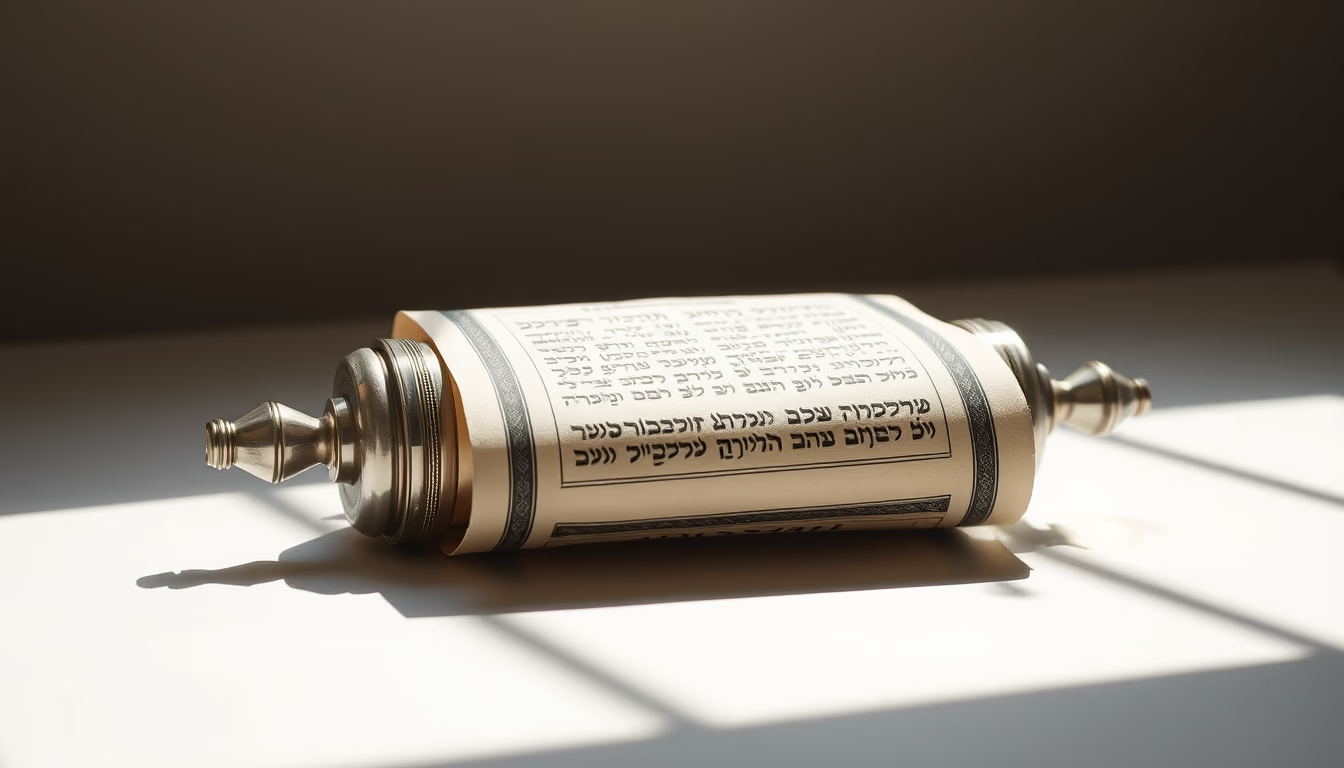
Silver casing that protects and adorns the Torah scroll, a central piece in Jewish worship.
About this subject
The silver casing for the Torah scroll is a fundamental element in Jewish tradition, especially among Ashkenazi communities. Unlike Sephardic scrolls, which are housed in a rigid cylinder (tik), Ashkenazim use a fabric wrapper (mappah) and over it an ornamental silver mantle, often topped with rimonim (decorative finials). This piece not only protects the sacred parchment but also fulfills the commandment to beautify the commandment (hiddur mitzvah).
The crafting of these casings dates back centuries, with specialized silversmiths employing techniques such as filigree, chasing, and repoussé. Many historical examples feature motifs like Lions of Judah, Torah crowns, and Tablets of the Law, symbolizing divine kingship and covenant. The use of silver, a noble and durable material, is associated with purity and reverence. Some pieces are genuine works of art, signed by renowned artisans and passed down as family heirlooms.
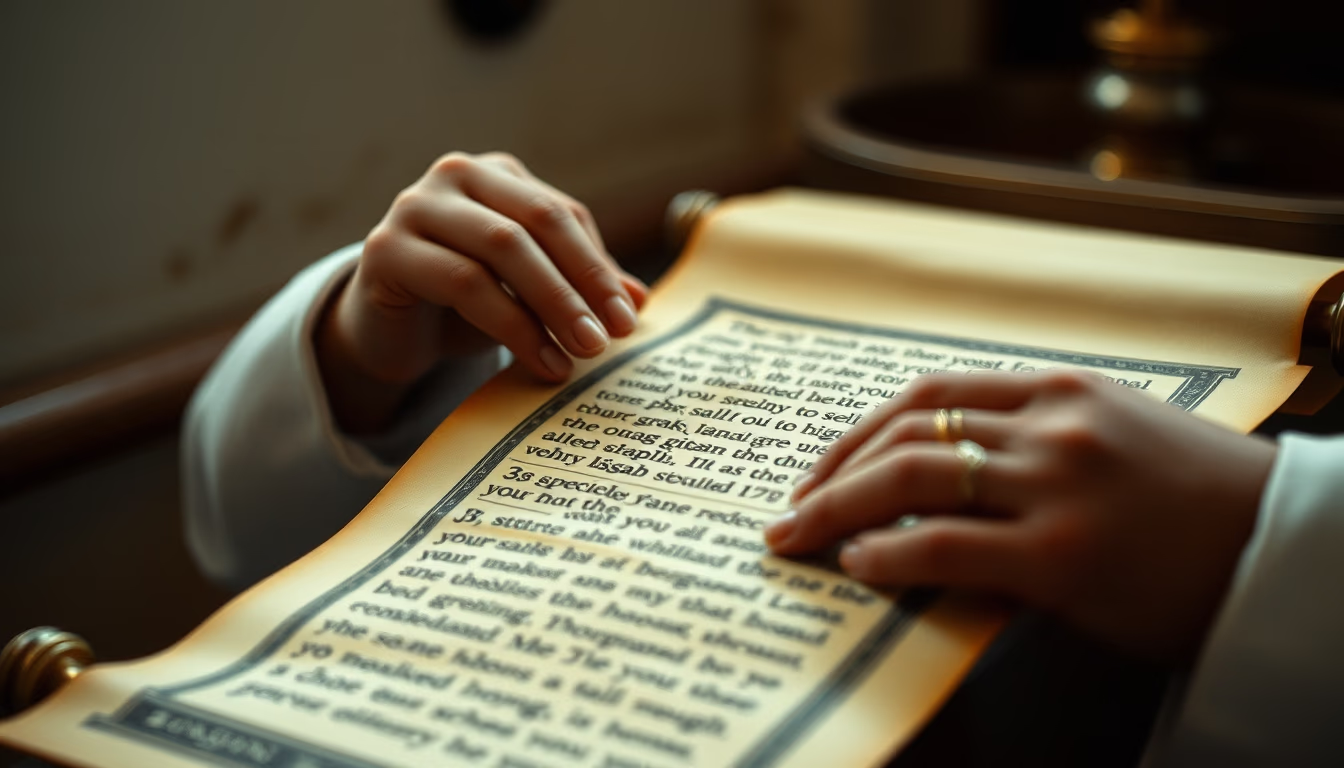
During public Torah reading, the scroll is taken out of the Holy Ark (Aron HaKodesh) and carried to the bimah. The silver casing is removed before unrolling, and the rimonim usually remain on top of the staves. In synagogues worldwide, these adornments vary in style, from European Baroque to contemporary design, reflecting the diversity of Jewish communities. Regular maintenance and polishing ensure the piece retains its luster and liturgical significance.
Frequently Asked Questions
What is the function of the silver casing on a Torah scroll?
The silver casing physically protects the parchment and beautifies the sacred object, following the principle of hiddur mitzvah (beautification of the commandment).
Which Jewish communities commonly use silver casings?
It is most common in Ashkenazi communities (Central and Eastern Europe). Sephardic and Oriental communities typically use a rigid cylinder called a tik.
How are these casings made and what materials are used?
They are made by silversmiths, usually of silver, sometimes incorporating gold, precious stones or enamel. Techniques include filigree, chasing and repoussé.
Direct URL
https://pub-c7d6a6ea828543ac903a74a341ccb2e1.r2.dev/imagens/torah-scroll-silver-casing-minimalist-composition-fresh11.avifHow to credit
Include a visible link back to UtilizAí. Copy one of the snippets below:
<a href="https://xn--utiliza-eza.com/en/midia/imagens/torah-scroll-silver-casing-minimalist-composition-fresh11">Torah scroll silver casing</a> by <a href="https://xn--utiliza-eza.com">UtilizAí</a>, licensed under <a href="https://creativecommons.org/licenses/by/4.0/">CC BY 4.0</a>.
[Torah scroll silver casing](https://xn--utiliza-eza.com/en/midia/imagens/torah-scroll-silver-casing-minimalist-composition-fresh11) by [UtilizAí](https://xn--utiliza-eza.com), CC BY 4.0
License: CC-BY-4.0