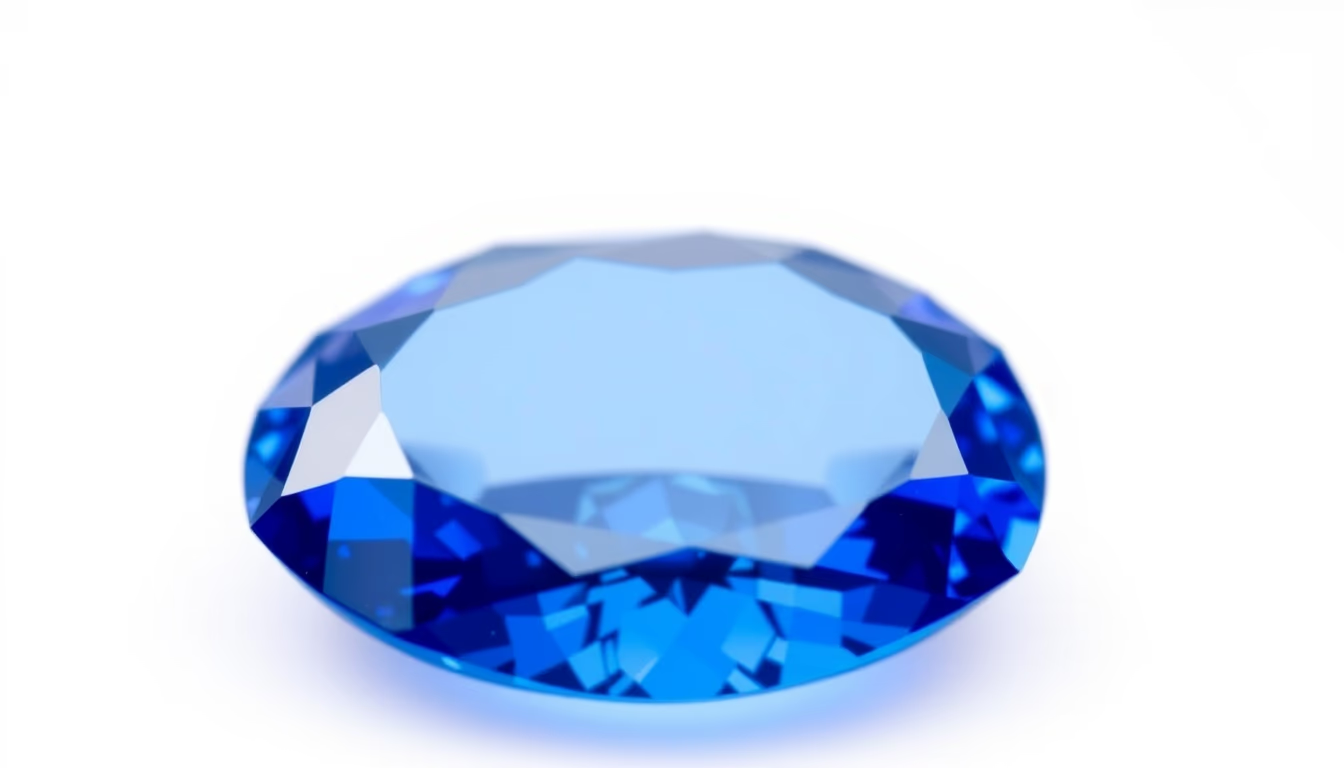
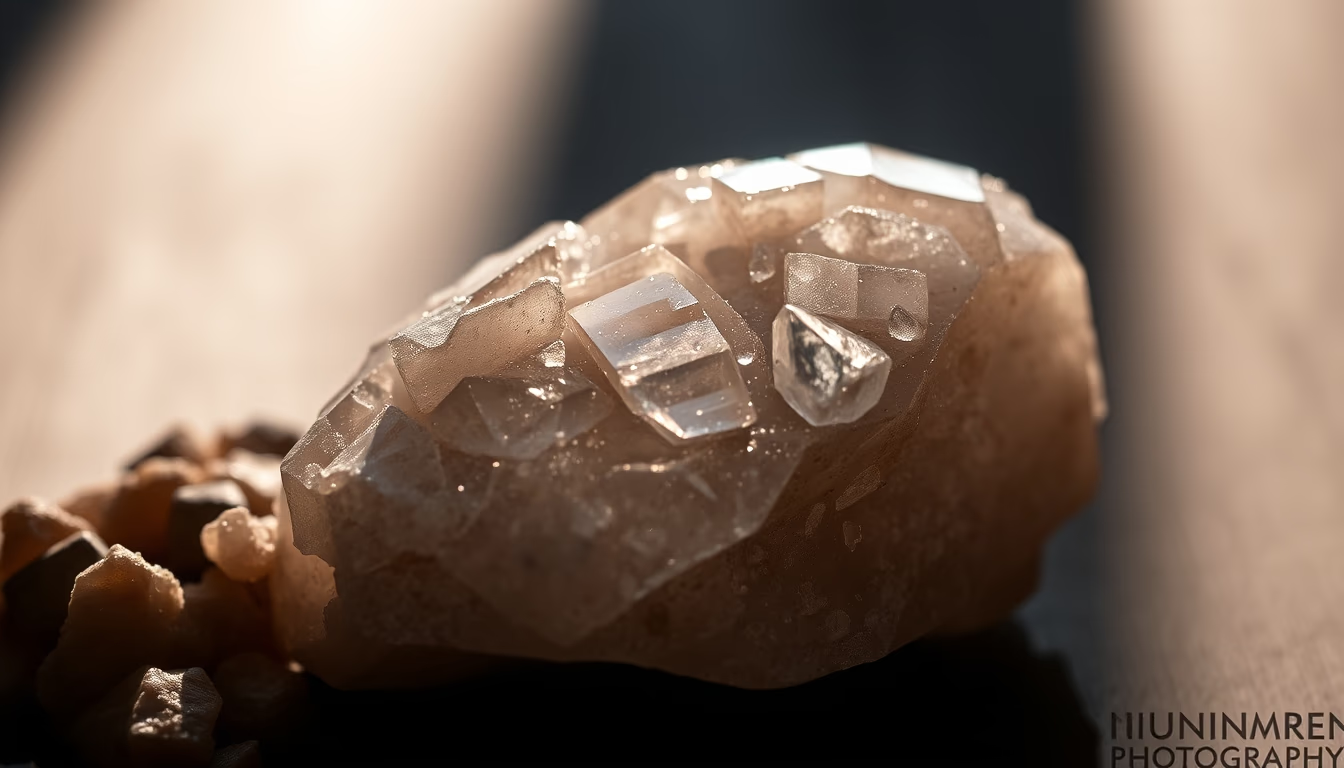
Topaz blue gemstone
1344×768 · AVIF · CC BY 4.0

Topázio azul é uma gema valiosa, conhecida por sua cor intensa e pureza, explorada em minas no Brasil, como em Ouro Preto (MG).
Sobre o tema
O topázio é um mineral silicato de alumínio e flúor, com fórmula química Al2SiO4(F,OH)2. Sua variedade azul é uma das mais populares no mundo da gemologia, obtida naturalmente ou por tratamento térmico. No Brasil, o estado de Minas Gerais é o principal produtor, com destaque para a região de Ouro Preto, onde se encontram exemplares de cor azul-pavão. O topázio imperial, de tons alaranjados, é mais raro e também brasileiro, mas o azul é amplamente comercializado por sua acessibilidade e beleza.
A cor azul do topázio natural pode variar do azul-claro ao azul-profundo, sendo os tons mais escuros os mais valorizados. Boa parte dos topázios azuis do mercado passam por tratamento de irradiação seguido de aquecimento, processo que transforma cristais incolores ou amarelados em azul estável. Essa técnica é amplamente utilizada em gemas provenientes do Rio Grande do Sul e de São Paulo. A dureza do topázio é 8 na escala de Mohs, o que o torna resistente para uso em joias, embora exija cuidado para evitar choques que possam causar clivagem.
Além do Brasil, jazidas importantes estão na Rússia (montanhas Urais), Paquistão, Sri Lanka e Nigéria. O topázio azul é frequentemente confundido com água-marinha ou safira azul, mas pode ser distinguido por sua densidade mais alta (3,49-3,57 g/cm³) e forte pleocroísmo. Na cultura popular, acredita-se que o topázio azul traz calma e clareza mental, sendo a pedra do mês de novembro e símbolo de amizade. Seu uso em ourivesaria é versátil, aparecendo em anéis, brincos e pingentes.
Curiosamente, o maior topázio azul lapidado do mundo, chamado "O Dragão do Oriente", pesa 9.381 quilates e foi descoberto em Minas Gerais. A gema é um ícone da mineralogia brasileira e está exposta em museus. Para colecionadores, o topázio azul natural sem tratamento é raro e mais caro. Sempre verifique a procedência e os tratamentos ao adquirir uma peça, pois a transparência do mercado é fundamental para o valor real da gema.
Perguntas frequentes
Qual a diferença entre topázio azul e água-marinha?
Topázio azul e água-marinha são gemas distintas. O topázio tem dureza 8 e densidade ~3,5, enquanto a água-marinha (berilo) tem dureza 7,5-8 e densidade ~2,7. Além disso, o topázio apresenta pleocroísmo mais forte.
O topázio azul perde a cor com o tempo?
Topázio azul tratado pode desbotar se exposto a luz solar intensa por longos períodos, mas em condições normais de uso a cor é estável. Topázio natural não desbota.
Onde encontrar topázio azul no Brasil?
As principais minas estão em Minas Gerais (Ouro Preto, Mariana, Conselheiro Pena) e também em depósitos no Rio Grande do Sul e São Paulo. Garimpos artesanais produzem cristais de alta qualidade.
URL direta
https://pub-c7d6a6ea828543ac903a74a341ccb2e1.r2.dev/imagens/topaz-blue-gemstone-fish-eye-wide-angle-p7.avifComo creditar
Inclua um link visível de volta pro UtilizAí. Copie um dos snippets abaixo:
<a href="https://xn--utiliza-eza.com/midia/imagens/topaz-blue-gemstone-fish-eye-wide-angle-p7">Topaz blue gemstone</a> by <a href="https://xn--utiliza-eza.com">UtilizAí</a>, licensed under <a href="https://creativecommons.org/licenses/by/4.0/">CC BY 4.0</a>.
[Topaz blue gemstone](https://xn--utiliza-eza.com/midia/imagens/topaz-blue-gemstone-fish-eye-wide-angle-p7) by [UtilizAí](https://xn--utiliza-eza.com), CC BY 4.0
Licença: CC-BY-4.0