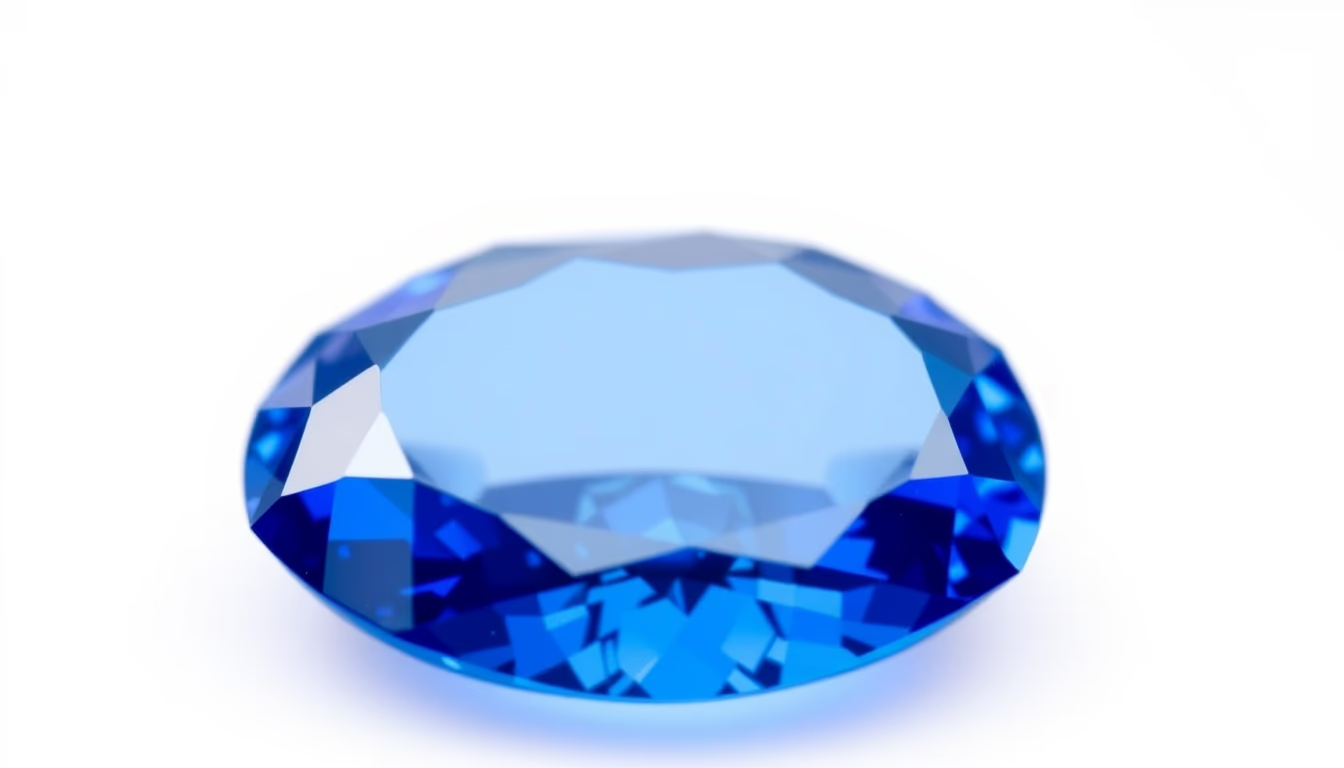
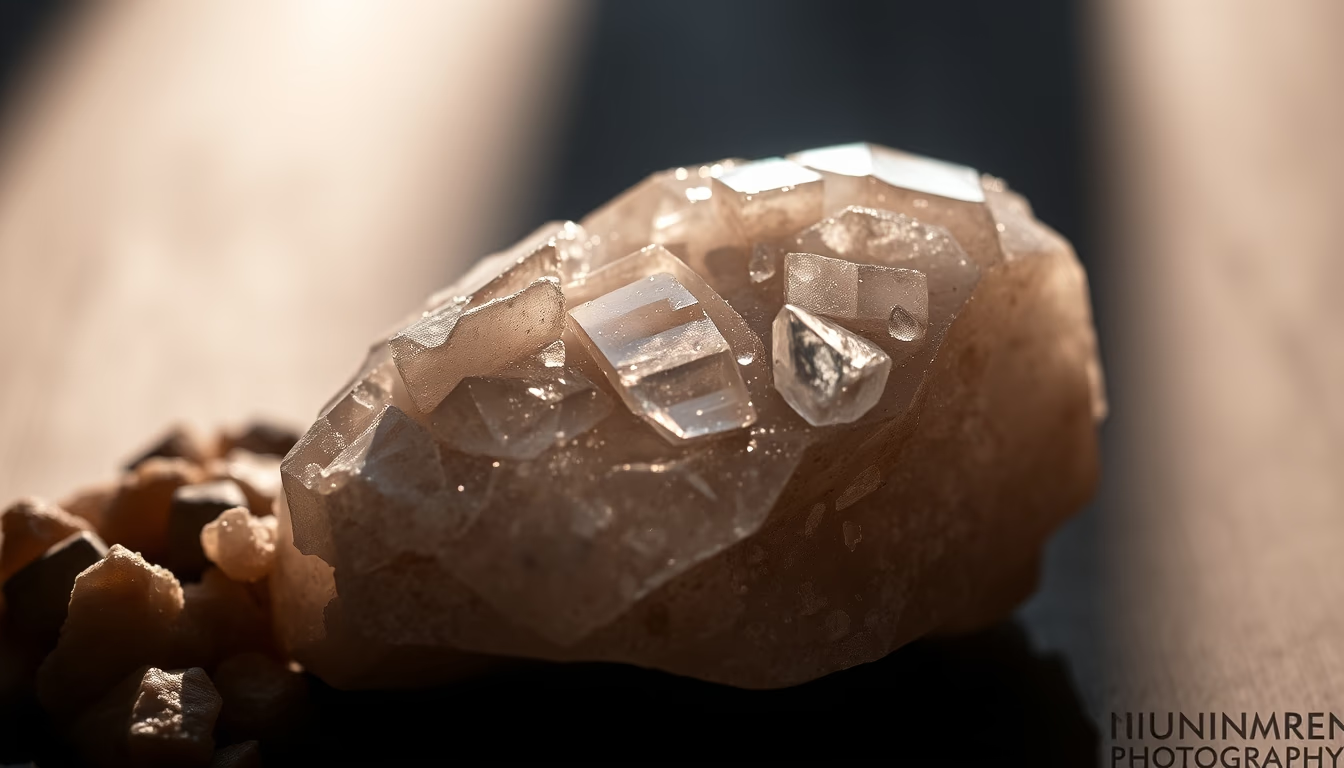
Topaz blue gemstone
1344×768 · AVIF · CC BY 4.0
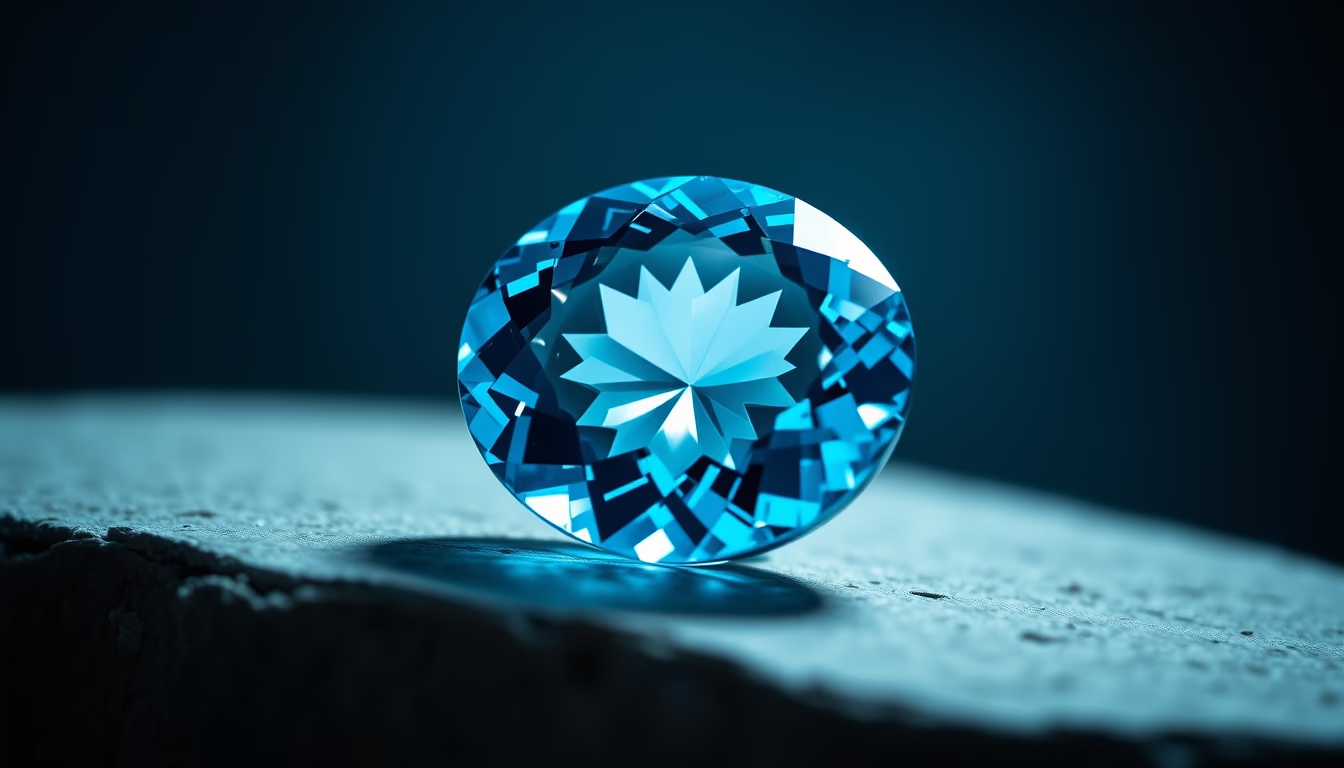
Blue topaz is a valuable gemstone made of aluminum silicate and fluoride, widely used in jewelry and known for its color variations.
About this subject
Blue topaz is a variety of the mineral topaz, composed of aluminum silicate and fluoride (Al2SiO4(F,OH)2). While natural topaz is often colorless, yellow, or pale blue, most commercial blue topaz undergoes thermal and irradiation treatments to enhance its color. The most significant topaz deposits are in Brazil (especially Minas Gerais), Sri Lanka, Nigeria, and Pakistan. Brazil is the largest producer, with historic mines like those in the Ouro Preto region.
Topaz has a hardness of 8 on the Mohs scale, making it durable for everyday jewelry, but it can cleave easily, requiring careful handling. The most valued colors include London Blue (intense dark blue), Swiss Blue (medium blue), and Sky Blue (light blue). Blue topaz is often confused with other blue gemstones such as aquamarine and sapphire, but it can be distinguished by its density and refraction.
Historically, topaz was associated with mystical powers, such as protection against envy and strengthening the mind. In Indian culture, blue topaz is believed to promote communication and truth. Large blue topaz gemstones are relatively affordable compared to sapphires, but natural untreated specimens are rare and more valuable. The irradiation treatment used to produce blue topaz is safe and widely accepted in the jewelry industry.
Interestingly, the blue color in topaz is not naturally common; most blue topaz on the market is naturally colorless and gains color after treatment. The process involves exposure to gamma or neutron radiation followed by heating. This technique was developed in the 1970s and allowed the gemstone to become popular. Blue topaz is a birthstone for December in some traditions, though it is also associated with the zodiac sign Sagittarius.
Frequently Asked Questions
Is natural blue topaz rare?
Yes, natural blue topaz is rare. Most blue topaz on the market is artificially treated from colorless or light-colored stones.
What is the difference between blue topaz and aquamarine?
Both are blue gemstones, but topaz has a hardness of 8 on the Mohs scale and a higher density (around 3.5), while aquamarine has a hardness of 7.5-8 and a lower density (around 2.7). Also, aquamarine is a variety of beryl, and topaz is an aluminum silicate fluoride.
Is the irradiation treatment of blue topaz safe?
Yes, it is safe. The treatment uses controlled radiation followed by heating, and the gems are released for use only when radioactivity levels are within safety standards. The process is approved by regulatory bodies.
Direct URL
https://pub-c7d6a6ea828543ac903a74a341ccb2e1.r2.dev/imagens/topaz-blue-gemstone-documentary-photography-p9.avifHow to credit
Include a visible link back to UtilizAí. Copy one of the snippets below:
<a href="https://xn--utiliza-eza.com/en/midia/imagens/topaz-blue-gemstone-documentary-photography-p9">Topaz blue gemstone</a> by <a href="https://xn--utiliza-eza.com">UtilizAí</a>, licensed under <a href="https://creativecommons.org/licenses/by/4.0/">CC BY 4.0</a>.
[Topaz blue gemstone](https://xn--utiliza-eza.com/en/midia/imagens/topaz-blue-gemstone-documentary-photography-p9) by [UtilizAí](https://xn--utiliza-eza.com), CC BY 4.0
License: CC-BY-4.0