Tin advertising signs row
1344×768 · AVIF · CC BY 4.0
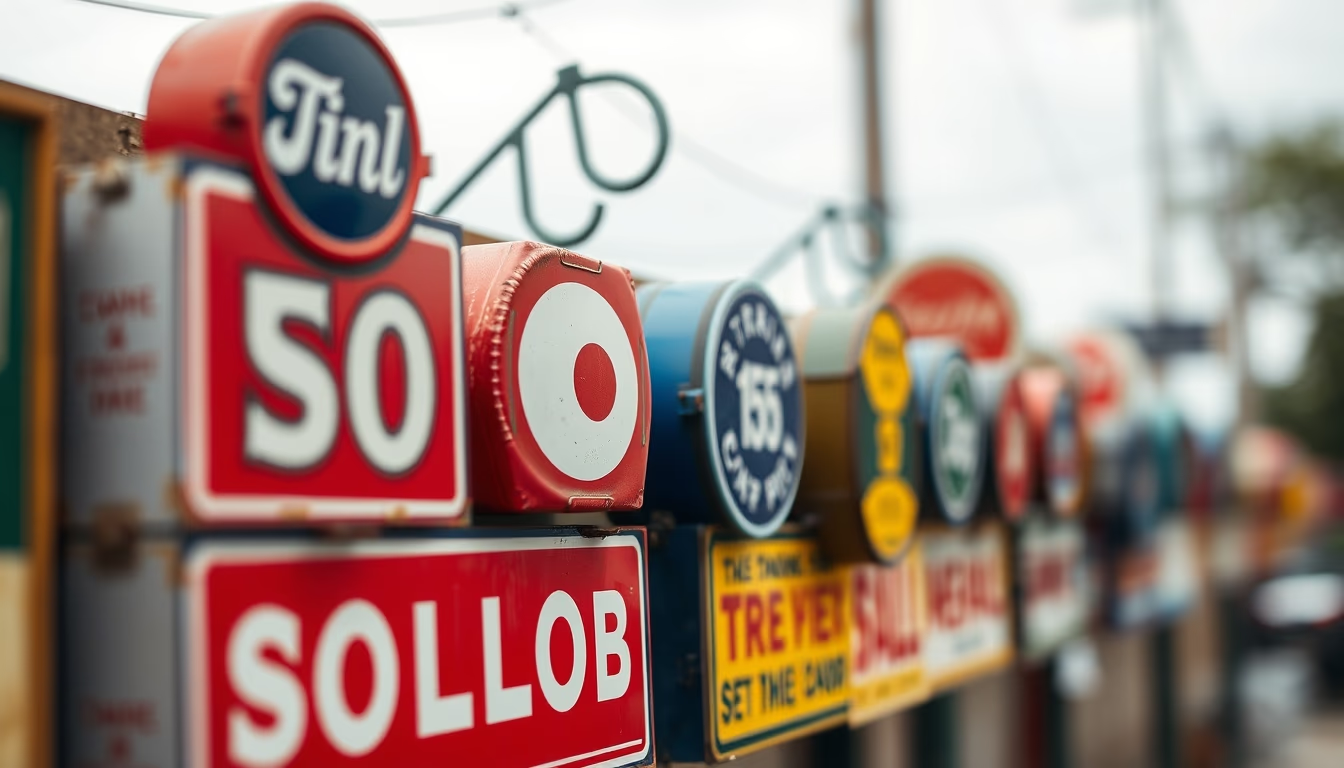
Row of vintage tin advertising signs with a tilt-shift miniature effect, evoking 20th century commercial nostalgia.
About this subject
Tin advertising signs, often made from tinplate (steel sheets coated with tin), were one of the earliest forms of modern outdoor advertising, popular from the late 19th century to mid‑20th century. These signs were durable, weather‑resistant, and could be attached to building facades, fences, or poles. Companies in beverages, tobacco, automotive oils, and appliances competed for visual space with bright colors and bold typography, creating an aesthetic that is now highly collectible.
In the United States, the golden age of tin signs spanned roughly from 1910 to 1950, driven by the growth of the advertising industry and cheaper lithographic printing on metal. Other countries, such as Brazil, also embraced the format: brands like Coca‑Cola, Guaraná Antarctica, and Ford used tinplate signs in strategic locations. Many of these were produced by specialized shops like Brazil's Metalgráfica or the American Can Company.
With the rise of plastics and digital printing, tin signs fell out of commercial use, but their nostalgic appeal endures. Today they are popular as retro decor and museum pieces. The tilt‑shift effect in the image enhances the diorama‑like feel, making the row of signs resemble a miniature model of an old downtown. This photographic technique, which simulates a shallow depth of field, underscores the playful, collectible nature of these advertising artifacts.
Interestingly, preserving old tin signs requires care: metal oxidation and color fading are common. Collectors seek pieces with original paint and minimal rust. At specialized auctions, rare signs from defunct soda brands or vintage gas stations can fetch hundreds of dollars, especially if they are region‑specific limited editions.
Frequently Asked Questions
Why were tin advertising signs so popular in 20th‑century advertising?
They were inexpensive to produce, weather‑resistant, and could be mounted almost anywhere. Lithographic printing allowed vivid colors that grabbed consumer attention.
How can you identify an original vintage tin sign?
Original signs have folded edges and usually show signs of age such as surface rust and fading. The presence of manufacturer marks or dates stamped on the back is a good indicator.
Is tilt‑shift photography common for vintage sign images?
Yes, many photographers use tilt‑shift to give nostalgic scenes a miniature look, enhancing the feeling that the signs are part of a small‑scale diorama.
Direct URL
https://pub-c7d6a6ea828543ac903a74a341ccb2e1.r2.dev/imagens/tin-advertising-signs-row-tilt-shift-miniature-fresh11.avifHow to credit
Include a visible link back to UtilizAí. Copy one of the snippets below:
<a href="https://xn--utiliza-eza.com/en/midia/imagens/tin-advertising-signs-row-tilt-shift-miniature-fresh11">Tin advertising signs row</a> by <a href="https://xn--utiliza-eza.com">UtilizAí</a>, licensed under <a href="https://creativecommons.org/licenses/by/4.0/">CC BY 4.0</a>.
[Tin advertising signs row](https://xn--utiliza-eza.com/en/midia/imagens/tin-advertising-signs-row-tilt-shift-miniature-fresh11) by [UtilizAí](https://xn--utiliza-eza.com), CC BY 4.0
License: CC-BY-4.0