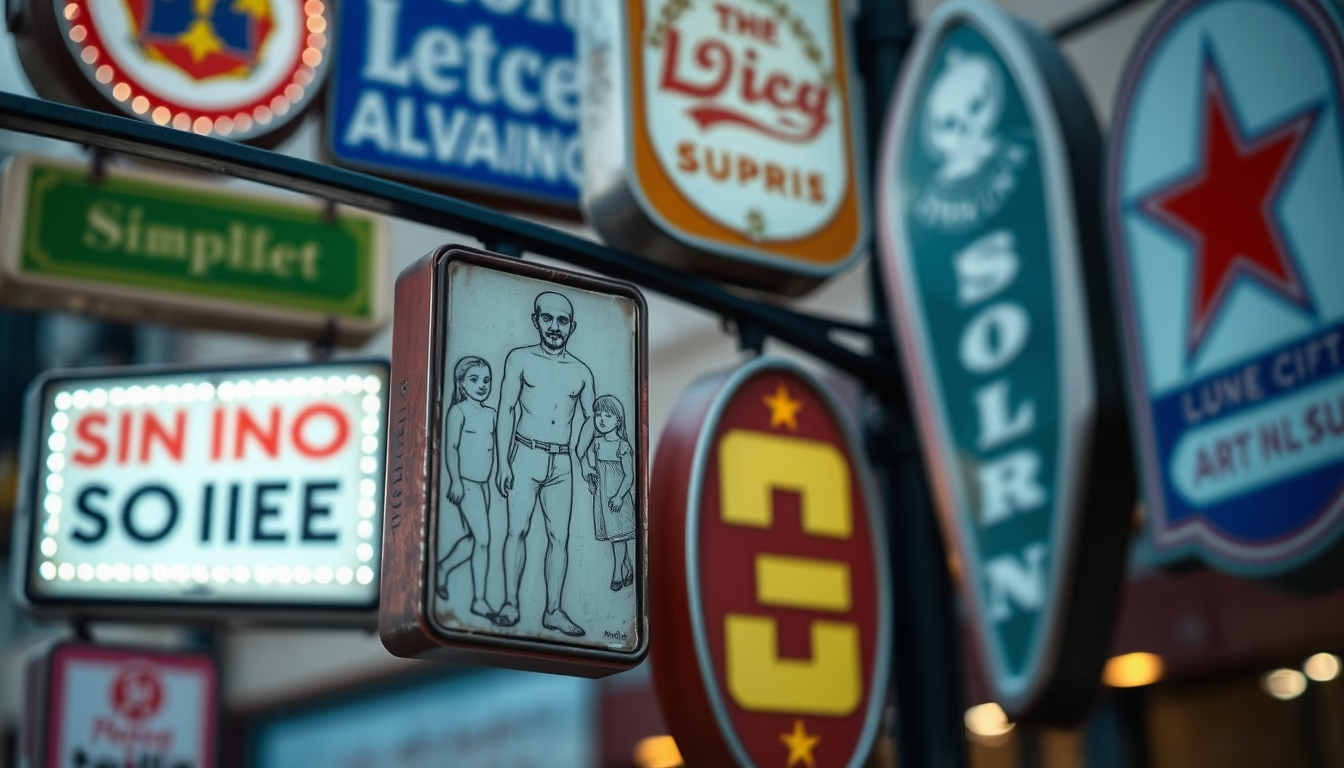
Tin advertising signs row
1344×768 · AVIF · CC BY 4.0

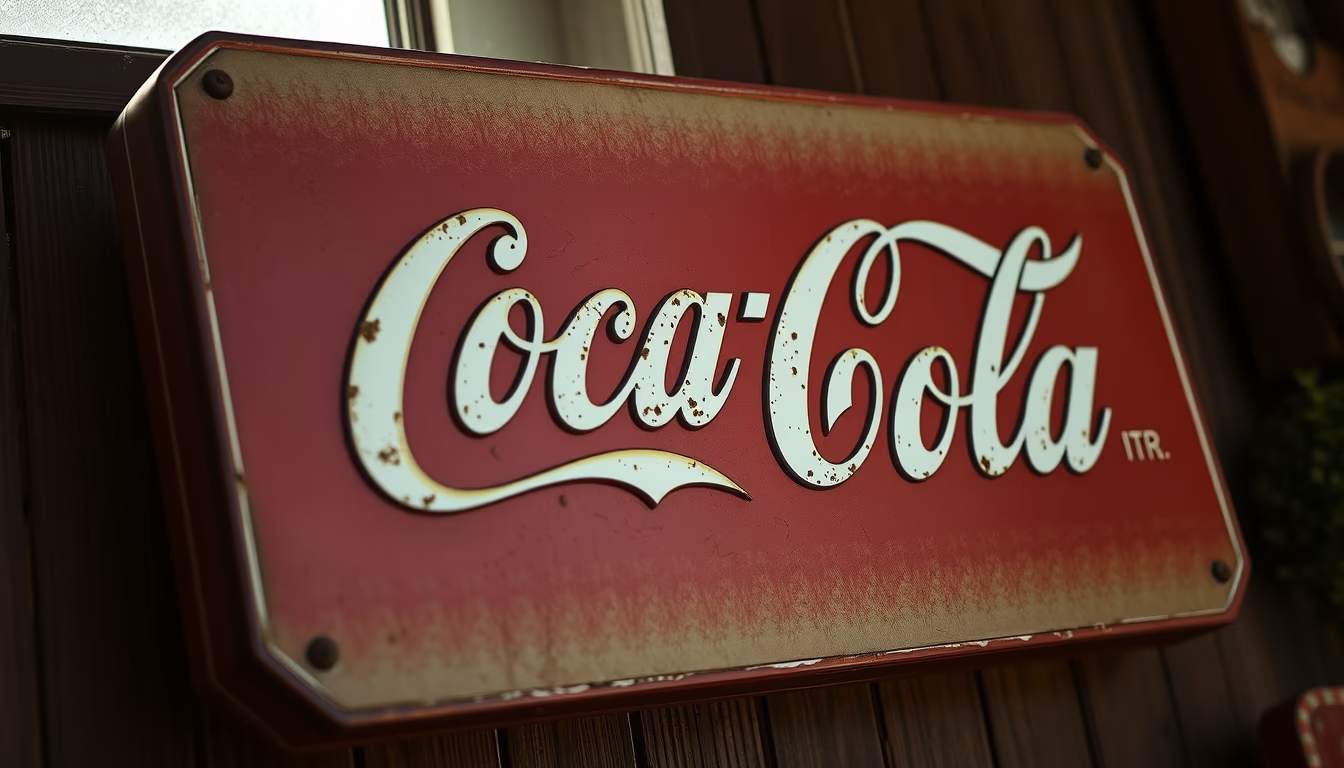
Rows of vintage tin signs tell the story of advertising and consumer culture in the 20th century.
About this subject
Tin signs were among the first durable, colorful advertising media, widely produced between 1890 and 1950. Made through metal lithography, these signs adorned storefronts, bars, and markets, promoting beverages, cigarettes, food, and household goods. Brands like Coca-Cola, Pepsi, and Budweiser used them to cement their visual identity in consumers' minds before the dominance of television and radio.
The design of tin signs reflects the artistic trends of each era: from Art Nouveau in the early century to streamlined Art Deco in the 1930s and vibrant pop styles of the 1950s. Each sign is a fragment of graphic and cultural history, revealing not only design evolution but also shifts in consumer habits. For instance, signs for motor oil or patent medicines show how medical advertising was once loosely regulated.
Today, collecting tin signs is a global hobby, with rare pieces fetching thousands of dollars at auctions. Authenticity and condition are paramount: original signs with natural wear are more valued than modern reproductions. Antique fairs and specialized websites drive this market, where a sign from a defunct brand or discontinued flavor can become a treasure.
The row arrangement of these signs, as seen in the image, mirrors how they were displayed in stores: hung side by side to maximize visual impact. This presentation also evokes pop art galleries, turning advertising objects into aesthetic icons celebrated by movements like 1960s Pop Art.
Frequently Asked Questions
How to identify an original tin sign?
Check the metal thickness, lithograph details, and natural aging signs like oxidation or edge wear. Reproductions often have overly bright colors and perfect edges.
What is the most valuable tin sign ever sold?
A 1905 Coca-Cola sign known as 'Coca-Cola 5¢' sold for over $100,000 at auction due to its rarity and condition.
Are tin signs still used in advertising today?
Yes, but as nostalgic décor or in retro campaigns. Brands produce modern reproductions for decoration, but original mass production largely stopped by the 1970s.
Direct URL
https://pub-c7d6a6ea828543ac903a74a341ccb2e1.r2.dev/imagens/tin-advertising-signs-row-high-fashion-editorial-fresh3.avifHow to credit
Include a visible link back to UtilizAí. Copy one of the snippets below:
<a href="https://xn--utiliza-eza.com/en/midia/imagens/tin-advertising-signs-row-high-fashion-editorial-fresh3">Tin advertising signs row</a> by <a href="https://xn--utiliza-eza.com">UtilizAí</a>, licensed under <a href="https://creativecommons.org/licenses/by/4.0/">CC BY 4.0</a>.
[Tin advertising signs row](https://xn--utiliza-eza.com/en/midia/imagens/tin-advertising-signs-row-high-fashion-editorial-fresh3) by [UtilizAí](https://xn--utiliza-eza.com), CC BY 4.0
License: CC-BY-4.0