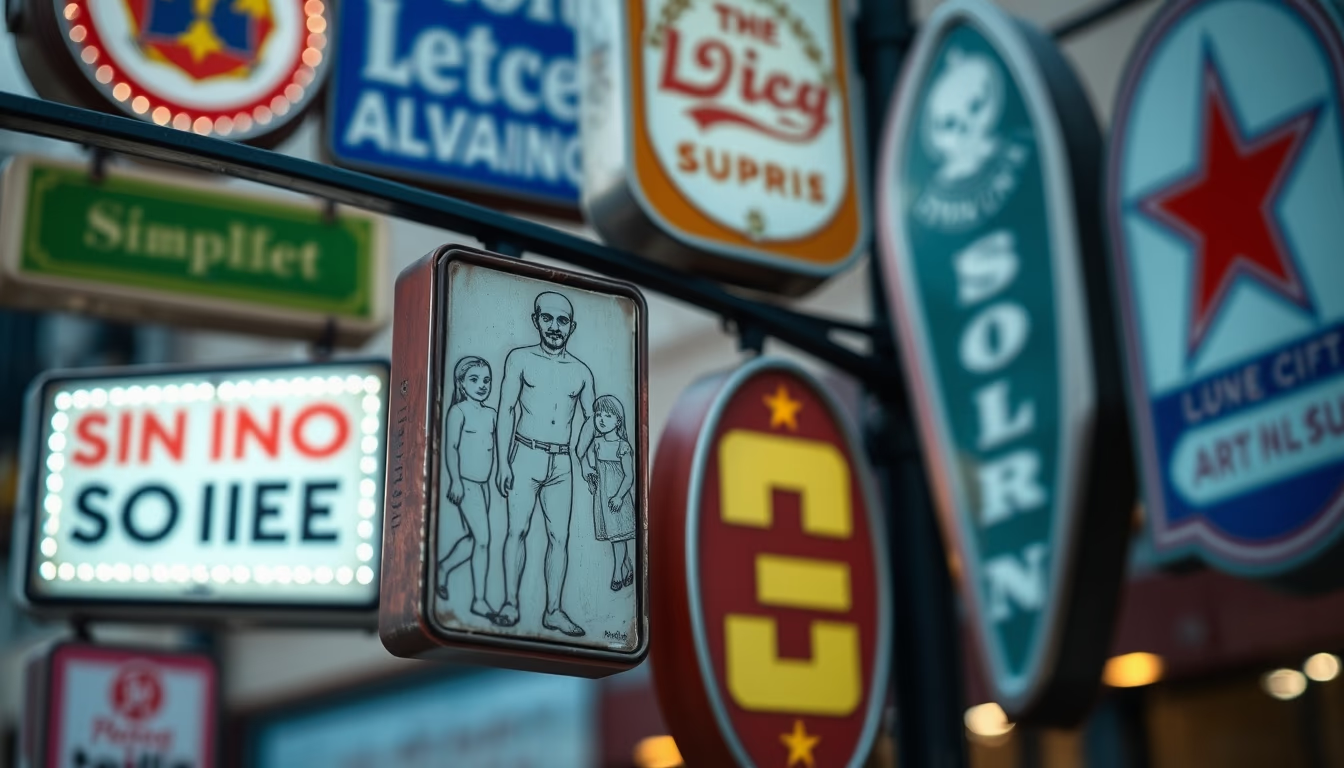
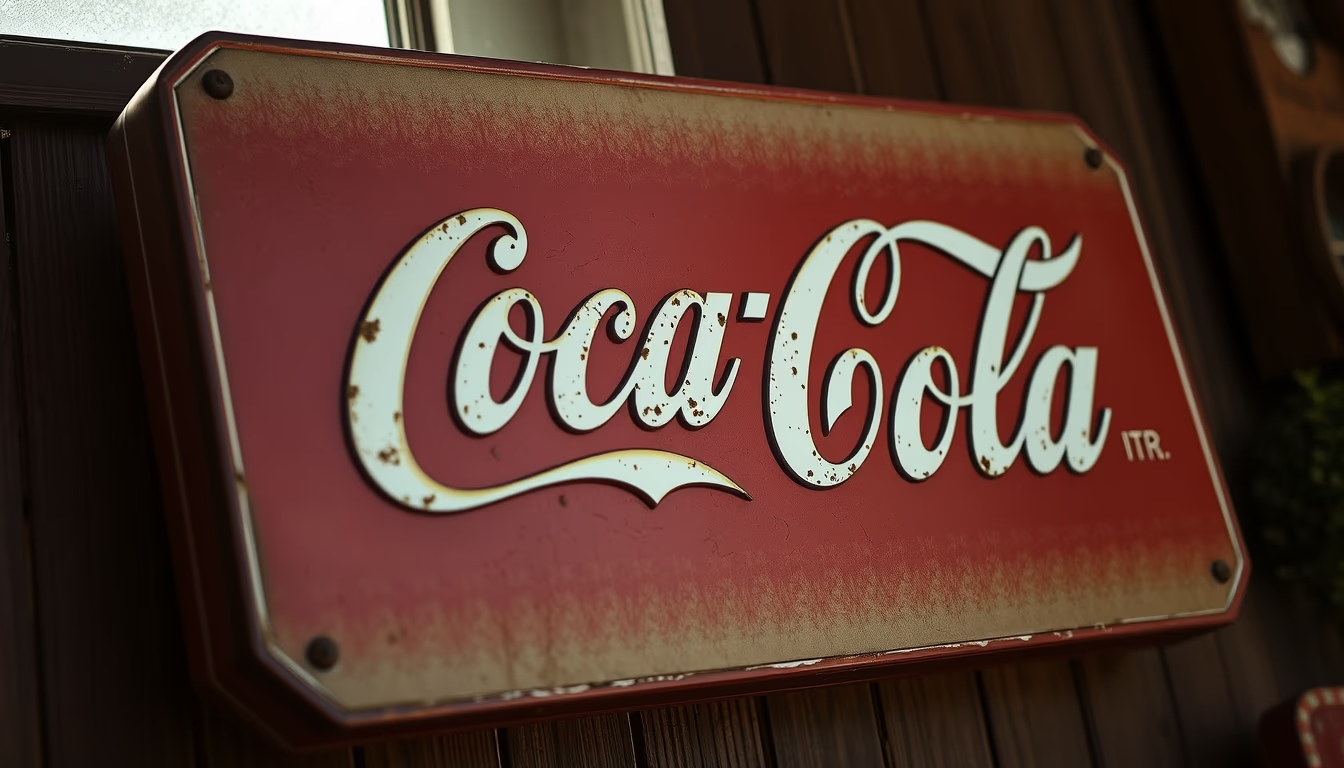
Tin advertising signs row
1344×768 · AVIF · CC BY 4.0
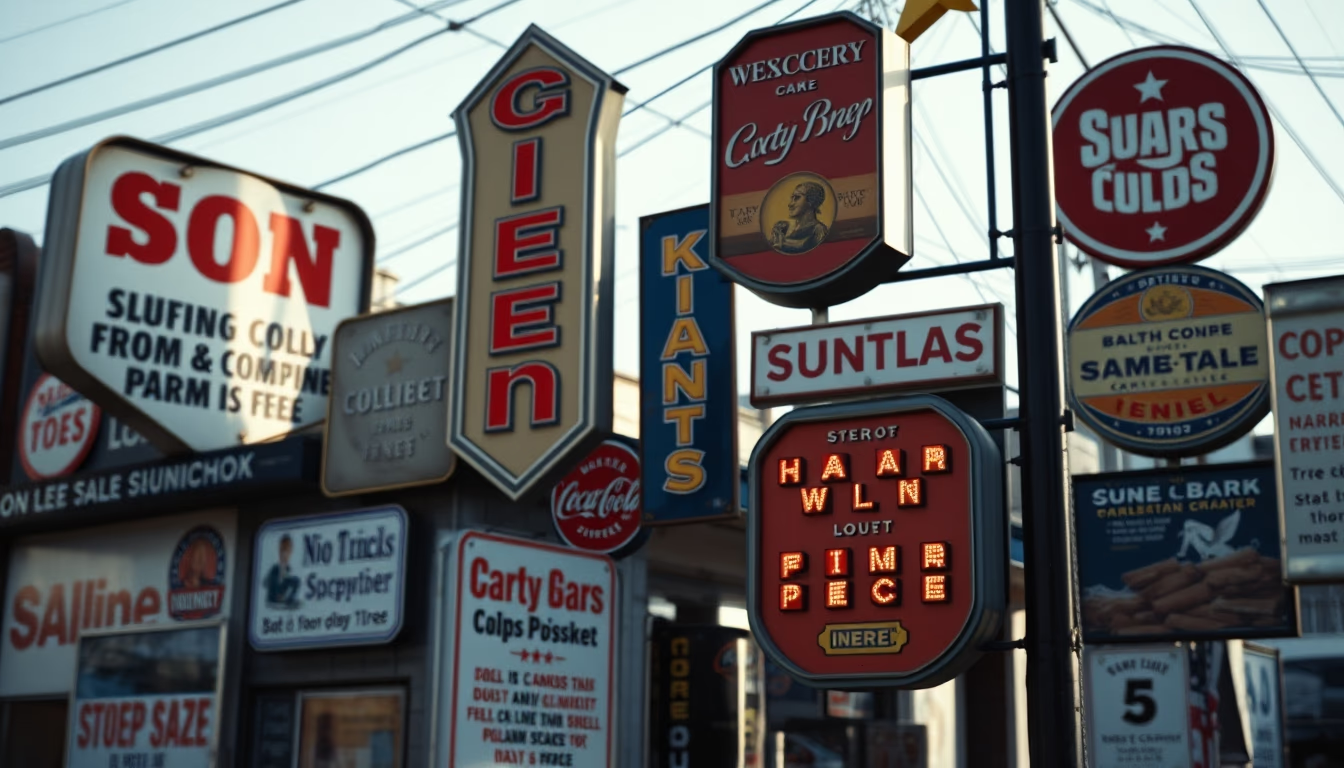
Rows of tin advertising signs created colorful visual landmarks in 20th century commerce and outdoor advertising.
About this subject
Tin advertising signs, also known as tin signs, emerged in the late 19th century with the development of lithography on metal. The steel sheet coated with tin provided a corrosion-resistant surface ideal for outdoor exposure. Manufacturers of tobacco, soft drinks, beer, and household goods quickly adopted this format, as the vibrant colors and metallic sheen caught consumers' attention.
Production involved chromolithography printing on tinplate, often with a protective varnish. The pieces were lightweight, easy to transport, and could be attached to facades, windows, or poles. During the Art Deco period and the consumption boom of the 1930s-1960s, tin signs became ubiquitous in stores, gas stations, and bars. Brands like Coca-Cola, Budweiser, and Texaco heavily invested in this media.
Today, original tin signs are highly collectible. Antique fairs and online auctions see prices reaching thousands of dollars for rare pieces in good condition. Value depends on preservation, rarity, and graphic appeal. Modern reproductions are also made, but authentic collectors seek pieces with natural wear that tell the story of local commerce.
In Brazil, tin signs were used for beer, medicine, and food product advertisements. They were often produced by specialized printers in São Paulo and Rio de Janeiro. Nostalgia surrounding these signs reflects an era when advertising was more handcrafted and integrated into the urban landscape, before digital massification.
Frequently Asked Questions
What are tin advertising signs?
They are advertising panels made of steel sheet coated with tin, printed with color lithography. They were widely used between the late 19th and mid-20th centuries to promote products such as beverages, tobacco, and food.
Why were tin signs popular?
They were durable, rust-resistant, low-cost, and allowed vivid colors. They could be attached both outdoors and indoors, becoming an effective medium to attract consumers.
How to identify an original old tin sign?
Check for light rust, natural edge wear, and mounting marks. Originals often have minor printing imperfections and a characteristic sheen. Modern reproductions usually have very uniform colors and lack patina.
Direct URL
https://pub-c7d6a6ea828543ac903a74a341ccb2e1.r2.dev/imagens/tin-advertising-signs-row-documentary-photography-fresh13.avifHow to credit
Include a visible link back to UtilizAí. Copy one of the snippets below:
<a href="https://xn--utiliza-eza.com/en/midia/imagens/tin-advertising-signs-row-documentary-photography-fresh13">Tin advertising signs row</a> by <a href="https://xn--utiliza-eza.com">UtilizAí</a>, licensed under <a href="https://creativecommons.org/licenses/by/4.0/">CC BY 4.0</a>.
[Tin advertising signs row](https://xn--utiliza-eza.com/en/midia/imagens/tin-advertising-signs-row-documentary-photography-fresh13) by [UtilizAí](https://xn--utiliza-eza.com), CC BY 4.0
License: CC-BY-4.0