Tin advertising signs row
1344×768 · AVIF · CC BY 4.0

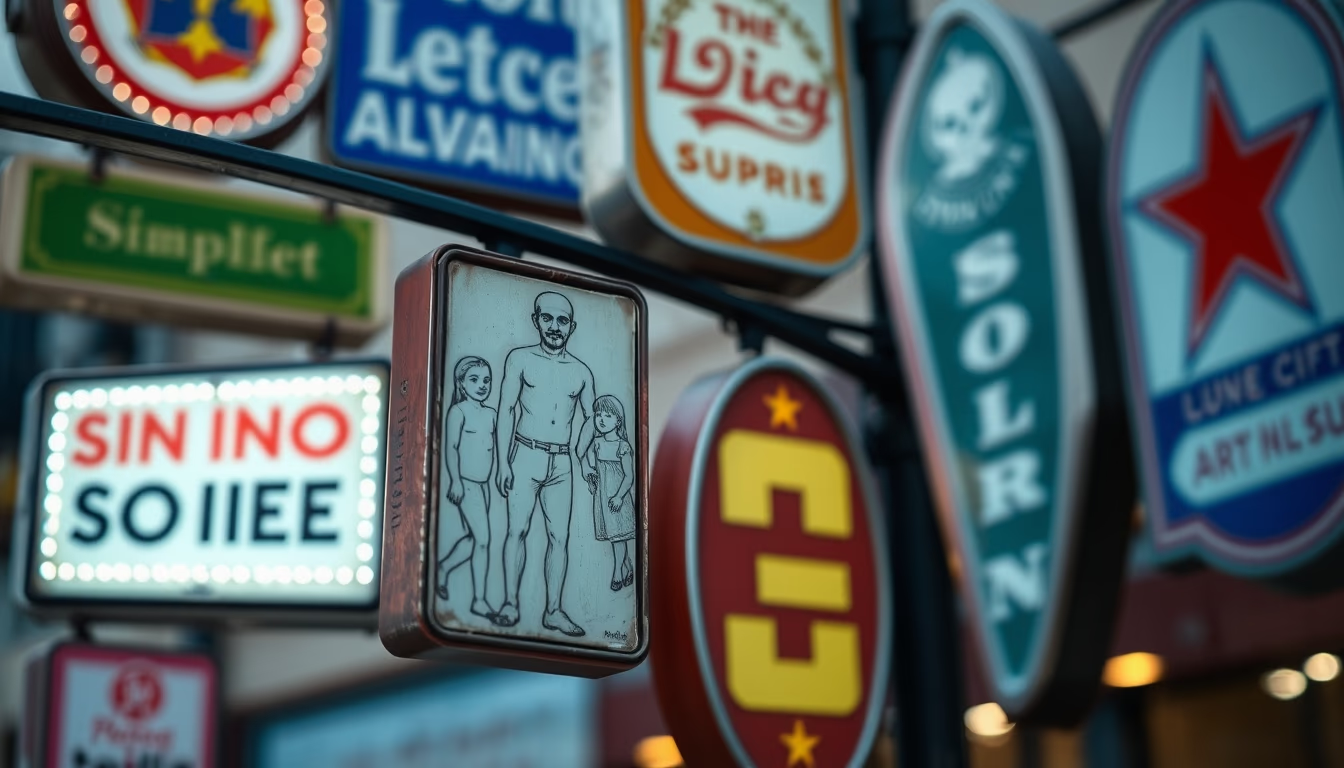
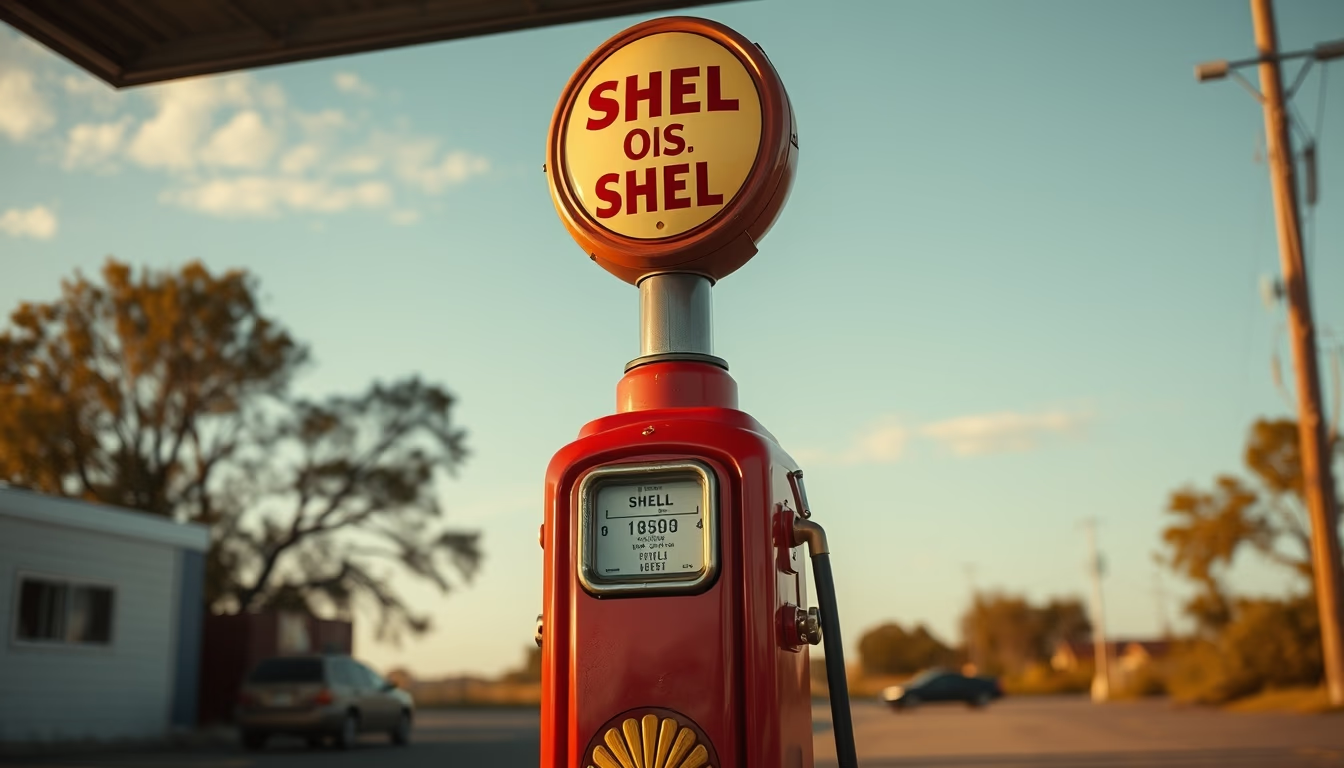
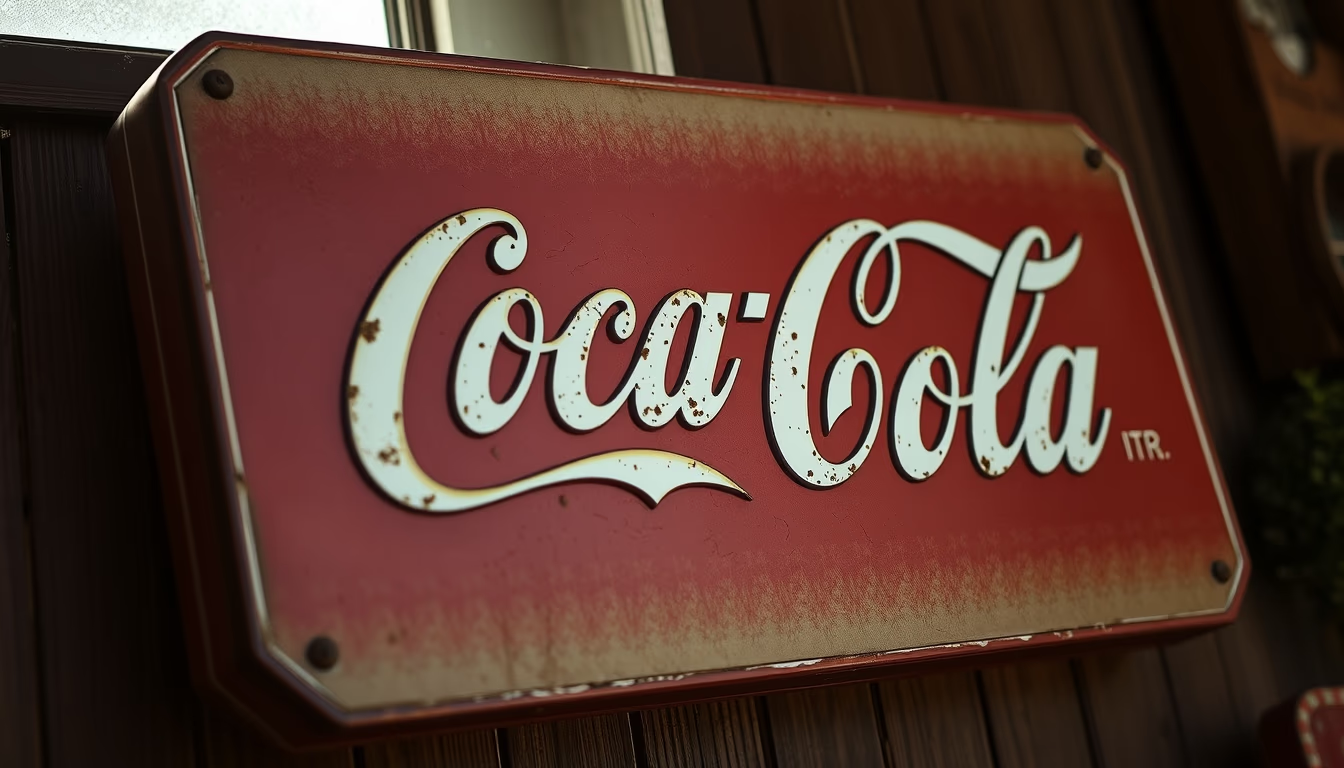
Row of vintage tin advertising signs, typical of American commerce between 1890 and 1950, displayed in a gallery or vintage fair.
About this subject
Tin advertising signs were one of the most popular visual communication tools from the late 19th to mid-20th century. Made from steel sheets coated with tin (tinplate), they were printed using offset lithography, a process that allowed vivid colors and sharp details. These signs promoted everything from soft drinks like Coca-Cola and beer to motor oils, tobacco, and agricultural products.
Their golden age spanned from 1900 to 1940, particularly in the United States, where they became icons of local commerce and roadside culture. Many companies distributed tin signs to retailers and gas stations as promotional material. In Brazil, similar signs were produced for brands like Antarctica and Brahma, albeit on a smaller scale. The durability of tin and weather resistance allowed many to survive outdoors for decades.
Today, original tin signs are collectible items traded at antique fairs and auctions. Their value depends on rarity, condition, and visual appeal. Modern reproductions are common but lack historical worth. A row of such signs, as seen in the image, evokes retro aesthetics and the spirit of vintage advertising, often used in themed decor of restaurants or museums.
Production of original tin signs declined after World War II, replaced by cheaper materials like paper and plastic. Nevertheless, the vintage style remains influential in graphic design and nostalgic advertising.
Frequently Asked Questions
Are original tin signs still being manufactured?
Large-scale production of original tin advertising signs ceased in the 1950s. Today, reproductions are made for decoration, but they lack historical value.
How to identify an authentic tin sign versus a reproduction?
Authentic signs usually show minor imperfections, oxidation on the back, and the original lithographic process with duller colors. Also, the metal is heavier than modern reproductions.
What is the average value of a vintage tin sign?
Values range from $10 to thousands of dollars, depending on rarity, brand, and condition. Signs from iconic brands like Coca-Cola or Ford in good condition can fetch high prices at auctions.
Direct URL
https://pub-c7d6a6ea828543ac903a74a341ccb2e1.r2.dev/imagens/tin-advertising-signs-row-cinematic-wide-shot-fresh14.avifHow to credit
Include a visible link back to UtilizAí. Copy one of the snippets below:
<a href="https://xn--utiliza-eza.com/en/midia/imagens/tin-advertising-signs-row-cinematic-wide-shot-fresh14">Tin advertising signs row</a> by <a href="https://xn--utiliza-eza.com">UtilizAí</a>, licensed under <a href="https://creativecommons.org/licenses/by/4.0/">CC BY 4.0</a>.
[Tin advertising signs row](https://xn--utiliza-eza.com/en/midia/imagens/tin-advertising-signs-row-cinematic-wide-shot-fresh14) by [UtilizAí](https://xn--utiliza-eza.com), CC BY 4.0
License: CC-BY-4.0