Thai script ornate
1344×768 · AVIF · CC BY 4.0
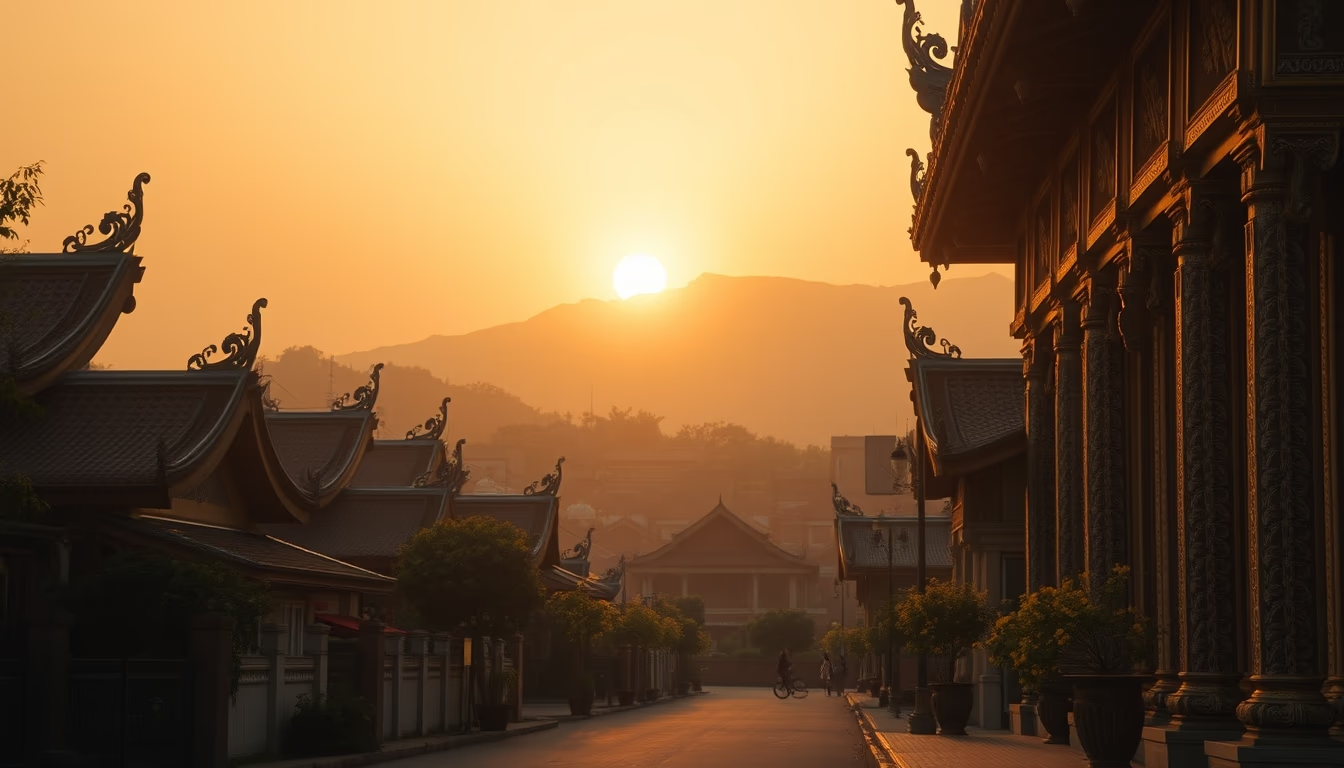
Ornate Thai calligraphy, with its curvilinear strokes and flourishes, is a traditional art form found in temples, manuscripts, and royal documents.
About this subject
Ornate Thai calligraphy, locally known as "อักษรไทยประดิษฐ์" (aksorn Thai pradit), is a decorative variant of the standard Thai alphabet. Its origins trace back to the 13th century, when King Ramkhamhaeng of the Sukhothai kingdom created the Thai script based on Khmer and Mon scripts. Over time, calligraphy evolved into more elaborate forms, especially during the Ayutthaya period (1351, 1767), when artists developed complex styles for religious inscriptions and court documents.
These ornate forms are often used in sacred and ceremonial contexts. In Buddhist temples (wats), one commonly finds inscriptions on palm-leaf manuscripts, murals, and building pediments. Scribes used fine brushes or bamboo pens to create fluid curves and arabesques, giving the text a visually hypnotic quality. Beyond aesthetics, ornamental calligraphy carries deep symbolism: each stroke is considered a form of meditation and devotion.
A notable example is the tradition of Phra Malai manuscripts, which tell the story of a monk who visited hell and heaven. These texts, written on palm leaves with black and gold ink, feature highly ornate calligraphy often accompanied by illustrations. Another contemporary use is in yantra tattoos (sak yant), which combine sacred letters in ancient Thai with geometric designs, believed to confer spiritual protection.
Today, ornamental Thai calligraphy faces preservation challenges, but it is valued as cultural heritage. Art schools and monasteries still teach traditional techniques, and modern artists incorporate these styles into logos and contemporary works. UNESCO has recognized the importance of Thai calligraphy as an intangible cultural expression.
Frequently Asked Questions
What is the difference between ornamental Thai calligraphy and standard script?
Ornamental calligraphy is more elaborate, featuring curvilinear strokes, flourishes, and stylized proportions, whereas standard script prioritizes legibility and simplicity. Ornamental script is used in artistic and ritual contexts.
Where can I find examples of this calligraphy in Thailand?
In temples (wats), palm-leaf manuscripts, murals, and royal documents. Highlights include Wat Pho in Bangkok and the National Library of Thailand.
Is ornamental Thai calligraphy still practiced today?
Yes, especially in monasteries and art schools. Contemporary artists also incorporate it into modern designs, such as logos and yantra tattoos, keeping the tradition alive.
Direct URL
https://pub-c7d6a6ea828543ac903a74a341ccb2e1.r2.dev/imagens/thai-script-ornate-cinematic-wide-shot-fresh0.avifHow to credit
Include a visible link back to UtilizAí. Copy one of the snippets below:
<a href="https://xn--utiliza-eza.com/en/midia/imagens/thai-script-ornate-cinematic-wide-shot-fresh0">Thai script ornate</a> by <a href="https://xn--utiliza-eza.com">UtilizAí</a>, licensed under <a href="https://creativecommons.org/licenses/by/4.0/">CC BY 4.0</a>.
[Thai script ornate](https://xn--utiliza-eza.com/en/midia/imagens/thai-script-ornate-cinematic-wide-shot-fresh0) by [UtilizAí](https://xn--utiliza-eza.com), CC BY 4.0
License: CC-BY-4.0