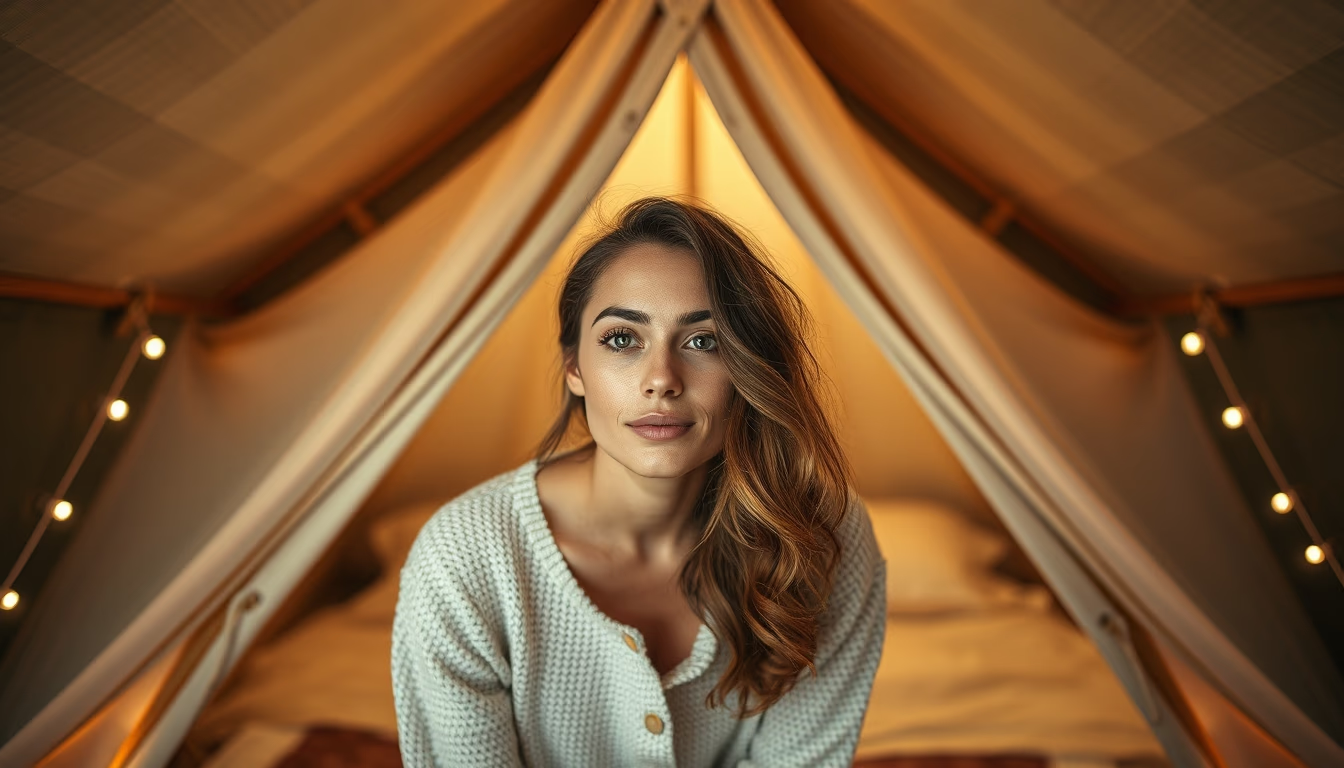
Barraca sob estrelas night
1344×768 · AVIF · CC BY 4.0
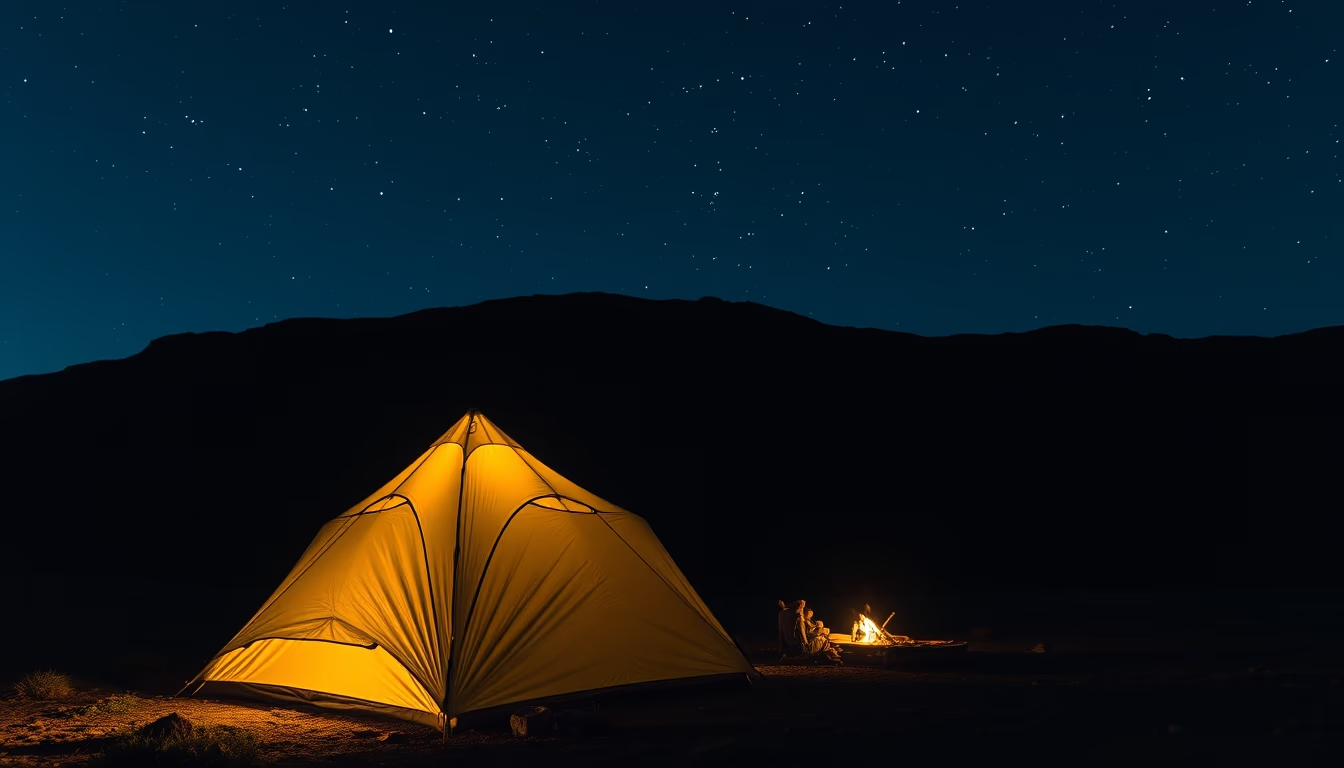
Acampar sob um céu estrelado, longe da poluição luminosa, é uma experiência que conecta o viajante à natureza e ao cosmos.
Sobre o tema
Dormir em uma barraca sob as estrelas é uma das formas mais autênticas de vivenciar o céu noturno. Para isso, é essencial escolher locais com baixa poluição luminosa, como parques nacionais, reservas de céu escuro ou áreas remotas. No Brasil, destinos como o Parque Nacional da Chapada dos Veadeiros (GO) e o Deserto do Atacama (chileno, mas próximo) são reconhecidos pela qualidade do céu. A prática de acampamento astronômico combina conforto básico com observação celeste.
A tendência de acampar sob estrelas cresce globalmente, impulsionada pelo astroturismo. Dados da International Dark-Sky Association mostram que mais de 80% da população mundial vive sob céus poluídos por luz, tornando refúgios escuros cada vez mais valorizados. Além do lazer, a experiência tem benefícios científicos: o contato com a escuridão natural regula o ciclo circadiano e reduz o estresse.
Tecnicamente, uma barraca adequada para noites estreladas deve ter um teto removível ou uma abertura que permita visão do céu, como as chamadas 'tent with star view'. Muitos campistas utilizam lonas transparentes ou redes de proteção para dormir ao ar livre, minimizando barreiras entre o observador e o firmamento. Equipamentos como colchonetes e sacos de dormir com isolamento térmico garantem conforto mesmo em noites frias.
Curiosidade: no Havaí, o Mauna Kea é um dos melhores locais do mundo para observação estelar, mas acampar lá exige autorização especial devido à altitude e sensibilidade ecológica. Já no Brasil, o Parque Nacional do Itatiaia (RJ/MG) oferece programas de acampamento com guias especializados em astronomia, popularizando a prática entre famílias e aventureiros.
Perguntas frequentes
Qual a melhor época do ano para acampar e observar as estrelas?
Depende da região, mas geralmente os meses de inverno (junho a agosto no Hemisfério Sul) oferecem noites mais longas, céu mais seco e menos nebulosidade, ideais para observação astronômica.
Que equipamentos são essenciais para acampar sob as estrelas?
Barraca com abertura no teto ou lona transparente, colchonete, saco de dormir adequado à temperatura, lanterna com luz vermelha (para não atrapalhar a visão noturna) e um aplicativo de mapa estelar.
O que é poluição luminosa e como ela afeta a observação do céu?
Poluição luminosa é o excesso de iluminação artificial que ofusca o brilho das estrelas. Ela reduz a visibilidade de astros, tornando essencial buscar locais distantes de centros urbanos para uma experiência completa.
URL direta
https://pub-c7d6a6ea828543ac903a74a341ccb2e1.r2.dev/imagens/tent-under-stars-night-magazine-editorial-p4.avifComo creditar
Inclua um link visível de volta pro UtilizAí. Copie um dos snippets abaixo:
<a href="https://xn--utiliza-eza.com/midia/imagens/tent-under-stars-night-magazine-editorial-p4">Barraca sob estrelas night</a> by <a href="https://xn--utiliza-eza.com">UtilizAí</a>, licensed under <a href="https://creativecommons.org/licenses/by/4.0/">CC BY 4.0</a>.
[Barraca sob estrelas night](https://xn--utiliza-eza.com/midia/imagens/tent-under-stars-night-magazine-editorial-p4) by [UtilizAí](https://xn--utiliza-eza.com), CC BY 4.0
Licença: CC-BY-4.0