Temaki cone sushi
1344×768 · AVIF · CC BY 4.0
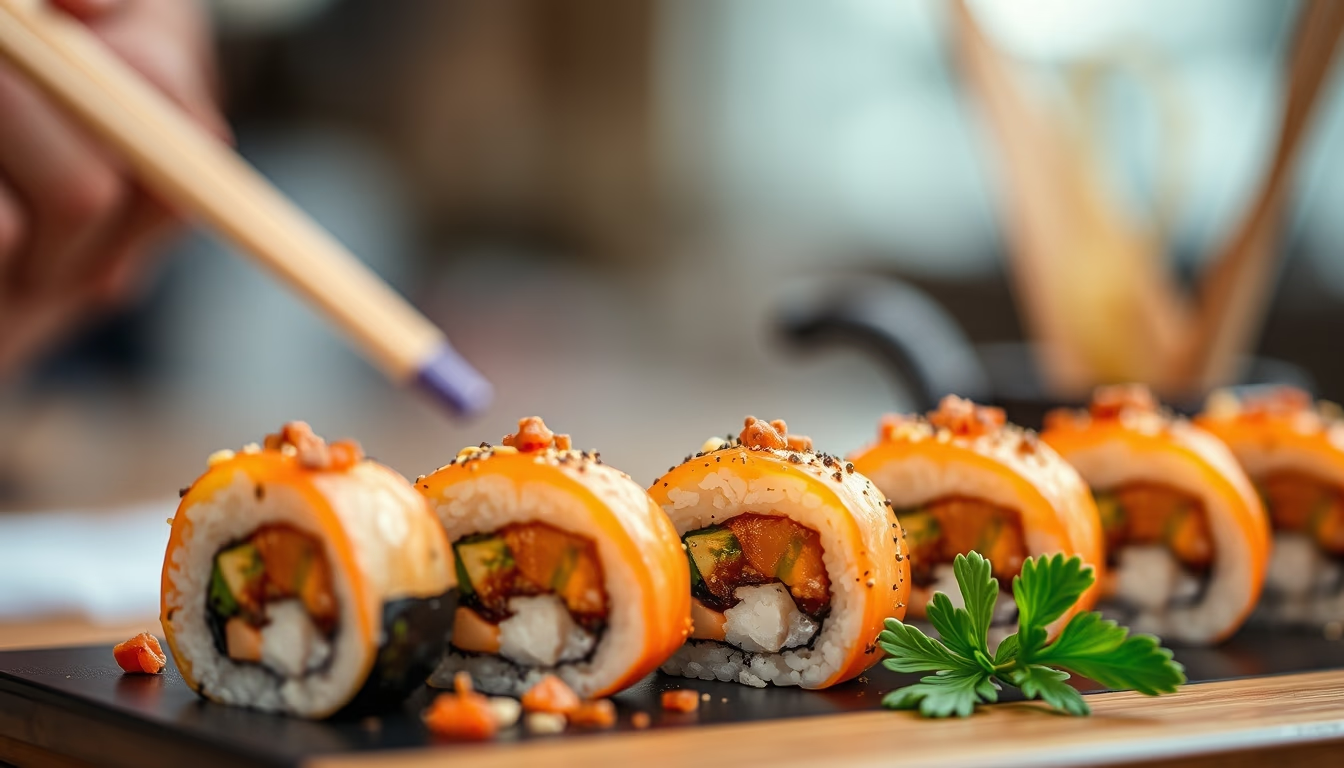
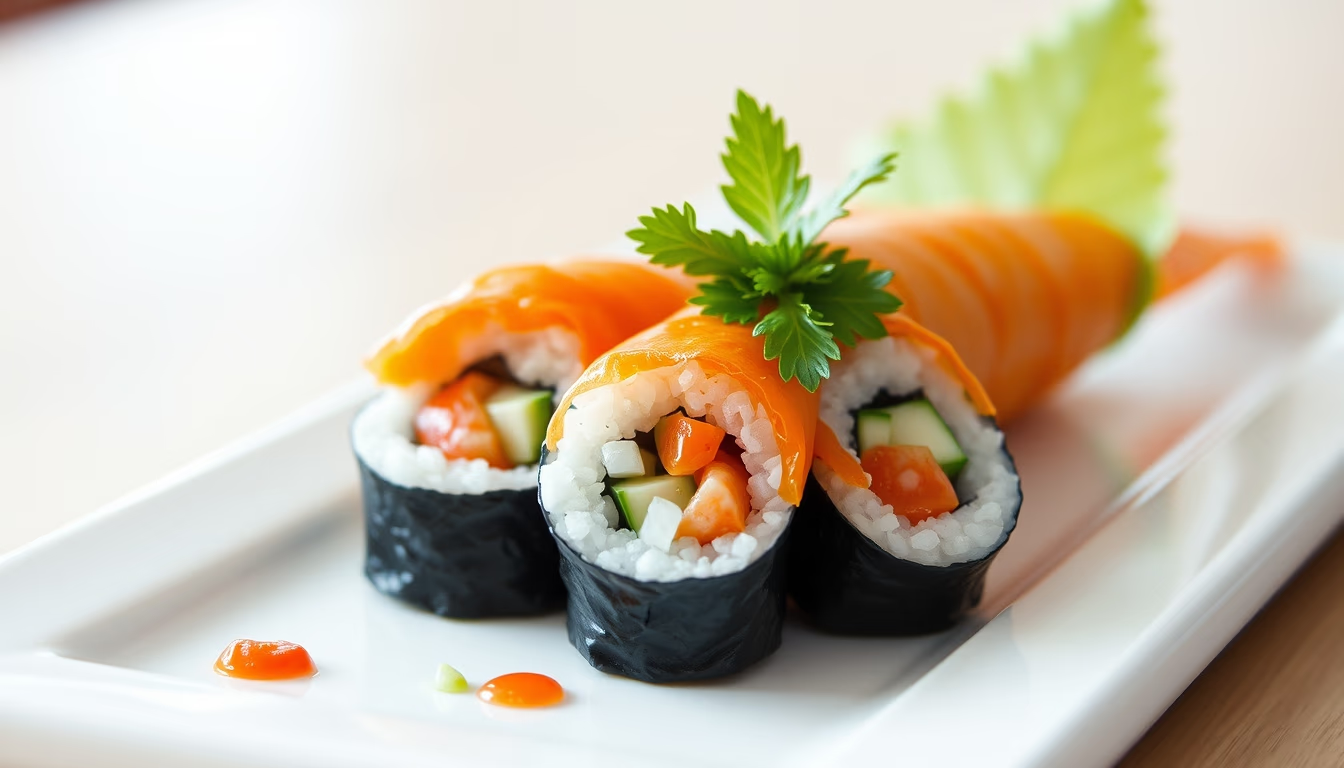
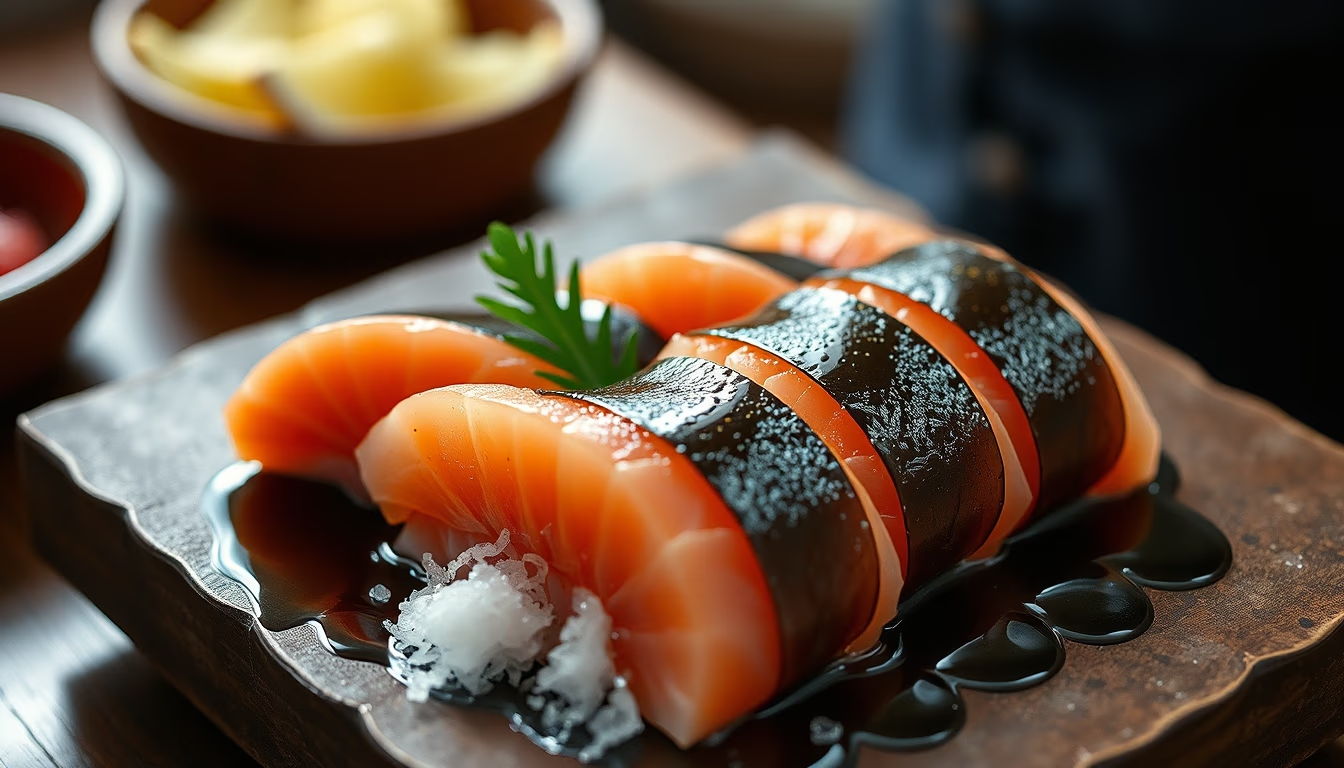
Temaki is a nori seaweed cone filled with rice, raw fish, and vegetables, one of the most popular sushi styles in Brazil and worldwide.
About this subject
Temaki, meaning "hand-rolled" in Japanese, is a cone-shaped sushi made with a sheet of nori seaweed, vinegared rice, and various fillings such as salmon, tuna, cream cheese, cucumber, and mango. Unlike maki (rolls) or nigiri (rice balls topped with fish), temaki is large, informal, and typically eaten with hands.
Its origins date back to 19th-century Japan, when sushi was sold at street stalls. The cone shape made preparation and quick consumption easier, becoming a practical meal item. In Brazil, temaki gained immense popularity from the 1990s onward, with local adaptations like cream cheese, grilled salmon, and even vegetarian versions with shiitake and heart of palm.
A curious fact is that traditional Japanese temaki uses only rice and fish, without added vegetables or sauces. In Brazil, the influence of Peruvian cuisine and local creativity gave rise to combinations such as hot roll temaki (breaded) or skin temaki (grilled salmon skin). The nori must be eaten quickly after assembly to prevent it from softening, losing its characteristic crispy texture.
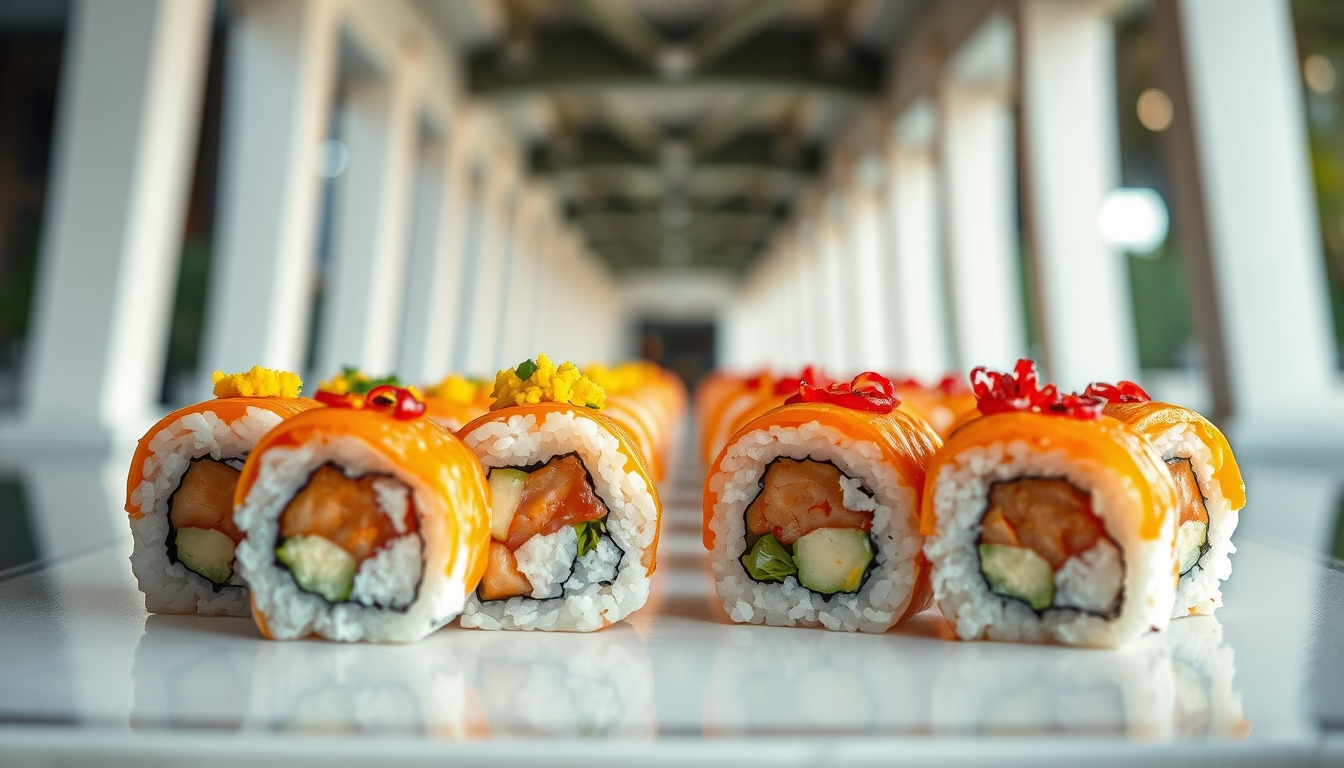
Nutritionally, temaki is rich in proteins and omega-3 from fish, fiber from seaweed, and carbohydrates from rice. It is a balanced option when consumed in moderation. Specialized restaurants often serve large cones, but mini versions (like the tilt-shift effect suggests) are popular at parties and events.
Frequently Asked Questions
What is the difference between temaki and maki?
Temaki is cone-shaped and made with a single sheet of nori rolled by hand, while maki is a cylindrical roll cut into slices. Temaki is larger and informal, eaten with hands; maki is smaller and served in pieces.
Is temaki a traditional Japanese dish?
Yes, temaki has existed in Japan since the 19th century, but it was consumed more simply, only with rice and fish. The current versions with cream cheese and vegetables are Western adaptations, especially popular in Brazil.
How to keep the nori seaweed from getting soft?
Nori absorbs moisture from the rice quickly. To maintain crispness, prepare temaki right before serving and eat immediately after assembly. If transporting, separate ingredients and assemble on site.
Direct URL
https://pub-c7d6a6ea828543ac903a74a341ccb2e1.r2.dev/imagens/temaki-cone-sushi-tilt-shift-miniature-fresh2.avifHow to credit
Include a visible link back to UtilizAí. Copy one of the snippets below:
<a href="https://xn--utiliza-eza.com/en/midia/imagens/temaki-cone-sushi-tilt-shift-miniature-fresh2">Temaki cone sushi</a> by <a href="https://xn--utiliza-eza.com">UtilizAí</a>, licensed under <a href="https://creativecommons.org/licenses/by/4.0/">CC BY 4.0</a>.
[Temaki cone sushi](https://xn--utiliza-eza.com/en/midia/imagens/temaki-cone-sushi-tilt-shift-miniature-fresh2) by [UtilizAí](https://xn--utiliza-eza.com), CC BY 4.0
License: CC-BY-4.0