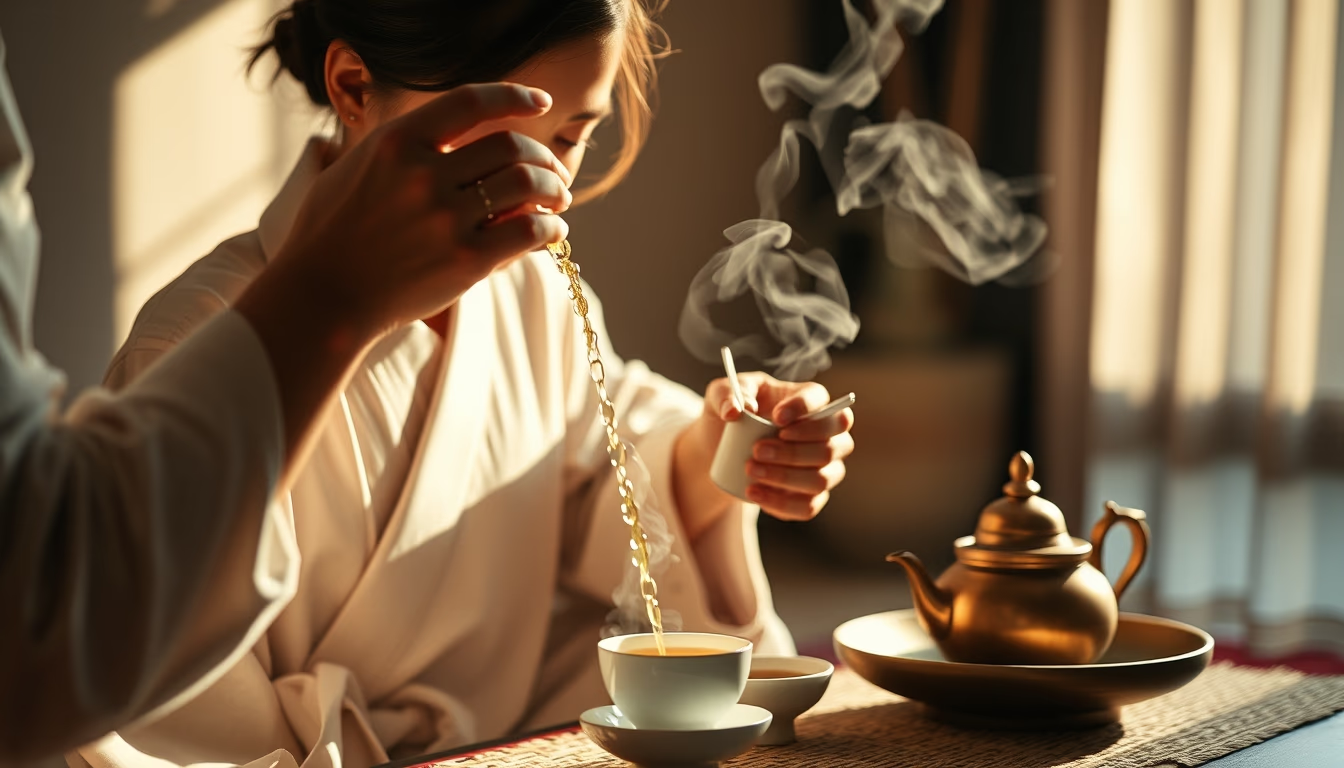
Tea ritual ceremony
1344×768 · AVIF · CC BY 4.0
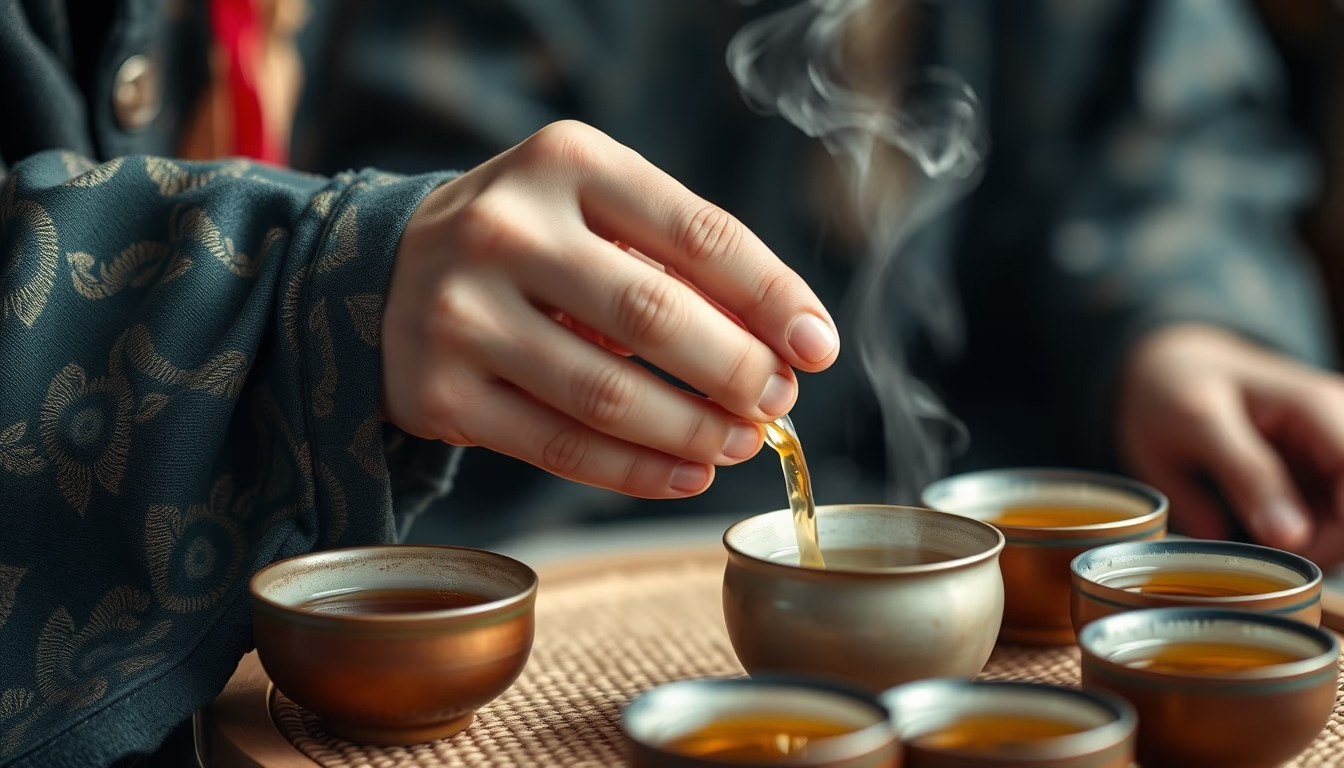
The tea ceremony is an ancient ritual of preparing and consuming tea, deeply rooted in Asian cultures, especially Japan and China.
About this subject
The tea ceremony, known as chanoyu in Japan and gongfu cha in China, transcends the simple act of drinking tea. It is a meditative, artistic, and social practice reflecting values such as harmony, respect, purity, and tranquility. Originating in China during the Tang dynasty, the ceremony was brought to Japan by Buddhist monks in the 9th century and refined by masters like Sen no Rikyū in the 16th century, who established the aesthetic principles of wabi-sabi: beauty in simplicity and imperfection.
In Japan, the tea ceremony is performed in traditional tea houses (chashitsu), with precise choreographed movements from cleaning utensils to whisking matcha, a powdered green tea, with a bamboo whisk (chasen). Each gesture carries symbolic meaning, and the experience is as important as the flavor. In China, gongfu cha emphasizes careful extraction of flavors from whole leaves, using small cups and Yixing clay teapots in a process that can last hours.
The tea ceremony is also linked to spiritual philosophies. In Zen Buddhism, it serves as a moving meditation, helping practitioners achieve mindfulness. In modern wellness contexts, the practice has gained global popularity as a stress reduction and calmness cultivation tool. Many wellness retreats offer tea ceremony workshops, and simplified versions are adopted into daily routines to promote mindfulness.
Interestingly, each type of ceremony has seasonal and regional variations. In Japan, the type of tea, accompanying sweets, and even room decoration change with the season, reflecting appreciation of nature. In China, gongfu cha is often practiced in groups, fostering conversation and social bonds, while in Japan the formal ceremony is more intimate and silent.
Frequently Asked Questions
What is the origin of the tea ceremony?
The tea ceremony originated in China during the Tang dynasty, but it was in Japan that it became a formalized practice, influenced by Zen Buddhism and the aesthetic principles of wabi-sabi.
What are the essential elements of a Japanese tea ceremony?
Essential elements include a tea house (chashitsu), utensils such as the chasen (bamboo whisk), chawan (bowl), and matcha (powdered green tea). The host's movements follow precise choreography, and the atmosphere emphasizes harmony and respect.
Can the tea ceremony be practiced at home?
Yes, simplified versions like Chinese gongfu cha or traditional matcha preparation can be adapted. The focus is on mindfulness and appreciating the moment, requiring only basic utensils and quality tea.
Direct URL
https://pub-c7d6a6ea828543ac903a74a341ccb2e1.r2.dev/imagens/tea-ritual-ceremony-macro-closeup-p3.avifHow to credit
Include a visible link back to UtilizAí. Copy one of the snippets below:
<a href="https://xn--utiliza-eza.com/en/midia/imagens/tea-ritual-ceremony-macro-closeup-p3">Tea ritual ceremony</a> by <a href="https://xn--utiliza-eza.com">UtilizAí</a>, licensed under <a href="https://creativecommons.org/licenses/by/4.0/">CC BY 4.0</a>.
[Tea ritual ceremony](https://xn--utiliza-eza.com/en/midia/imagens/tea-ritual-ceremony-macro-closeup-p3) by [UtilizAí](https://xn--utiliza-eza.com), CC BY 4.0
License: CC-BY-4.0