Tap shoes wooden floor
1344×768 · AVIF · CC BY 4.0
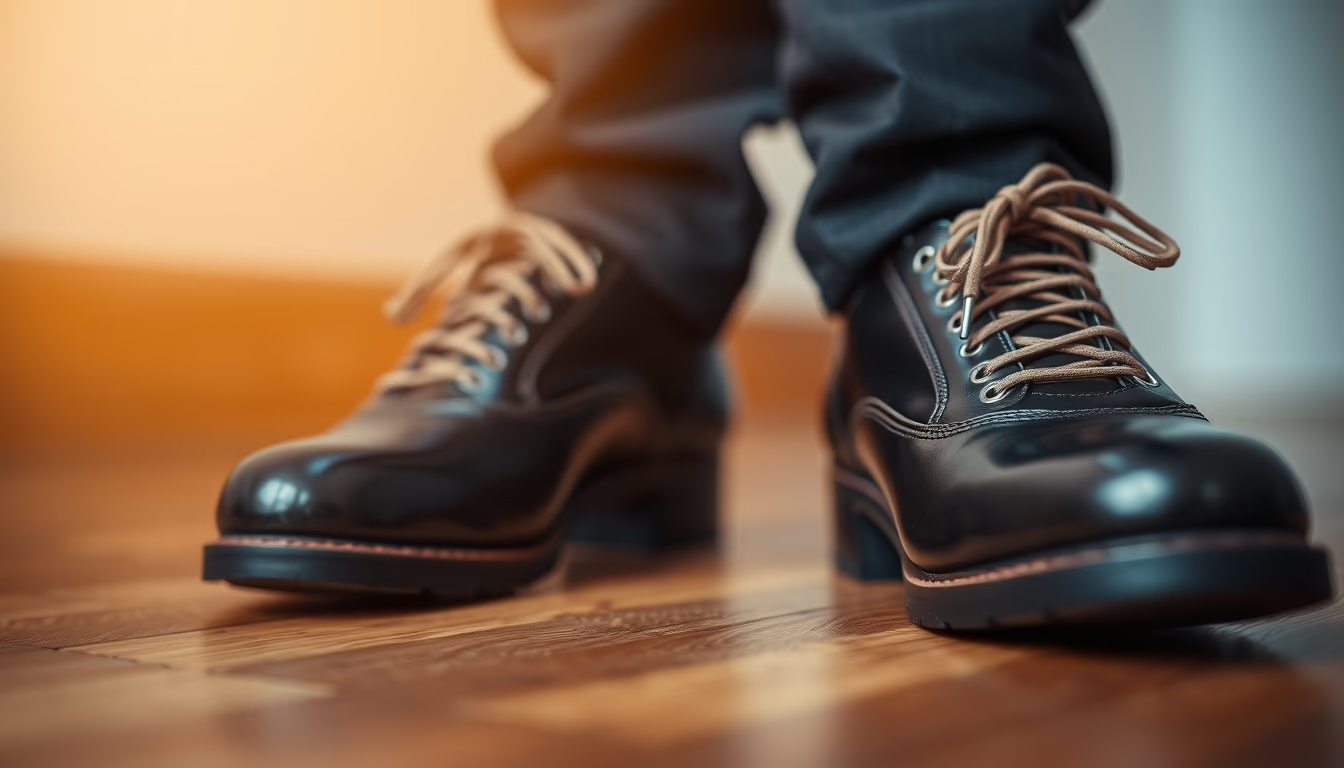
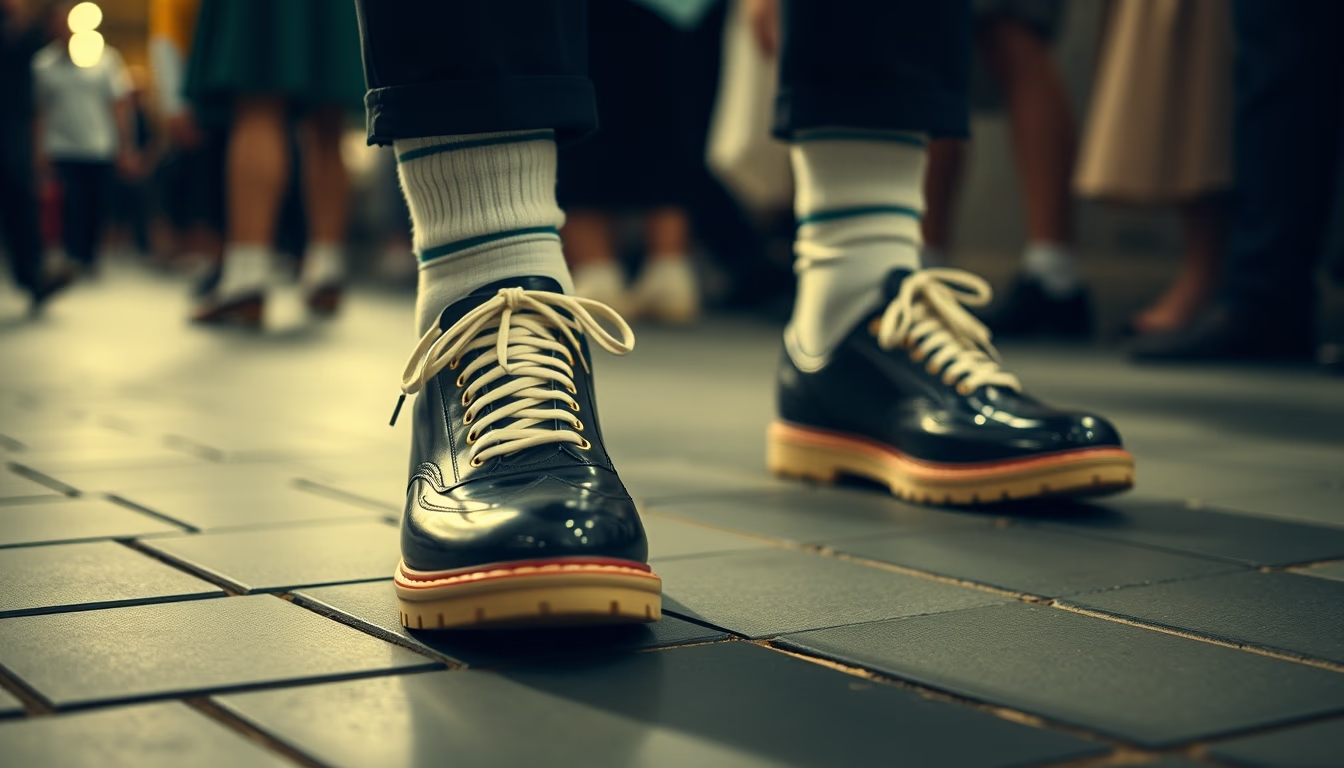
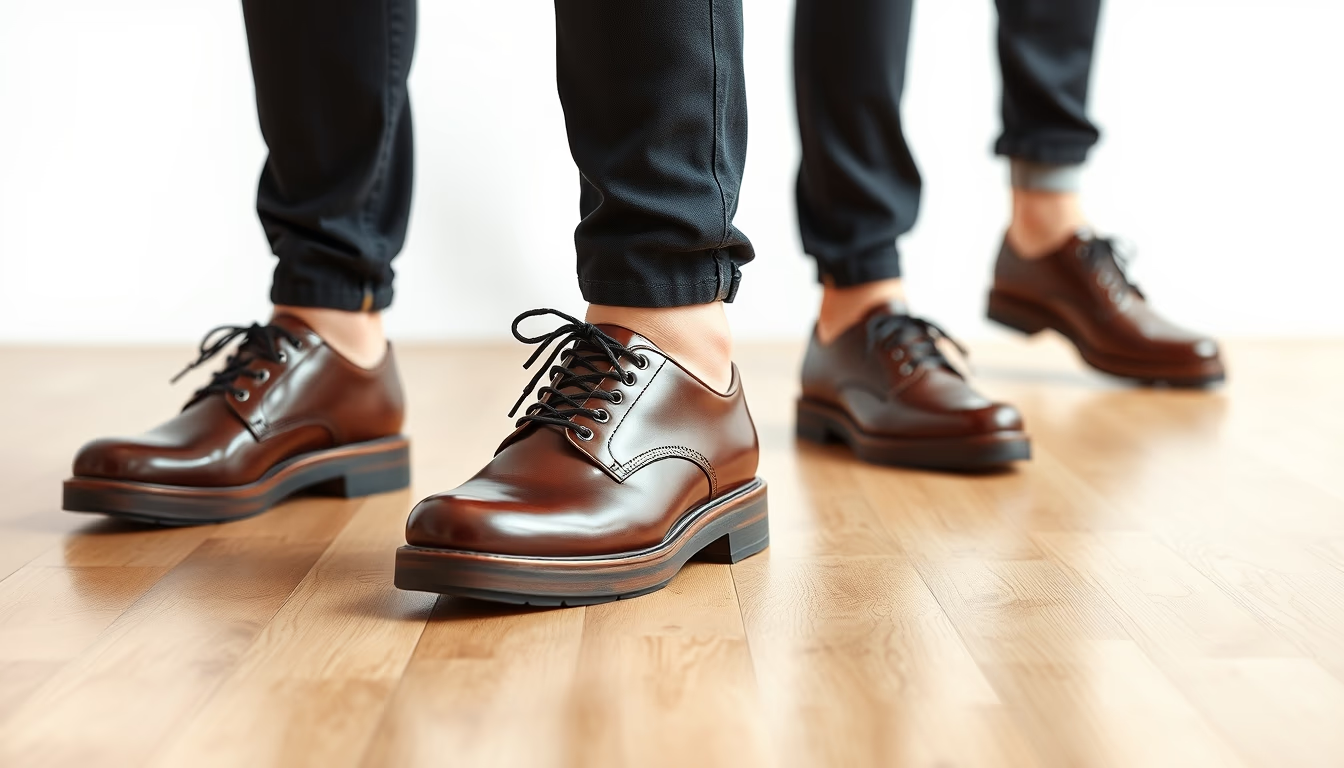
Tap shoes on a wooden floor: the classic combination that defines the percussive sound of tap dance, from vaudeville stages to modern times.
About this subject
Tap shoes are specialized footwear with metal plates (taps) attached to the toe and heel, designed to create rhythmic sounds when struck against hard surfaces. The wooden floor is the quintessential partner in tap dance, providing both resonance and durability. Hardwoods like oak or maple are preferred for their ability to project sound clearly while absorbing some shock, reducing strain on dancers' joints.
Originating in the United States in the 19th century, tap dance evolved from a fusion of Irish step dancing and African American rhythmic traditions such as the juba. Wooden floors were standard in vaudeville theaters, minstrel shows, and later in Hollywood soundstages. Legends like Fred Astaire and Gene Kelly elevated tap to an art form in classic films, meticulously choreographing routines that highlighted the acoustic properties of wooden stages. Today, most dance studios install sprung floors (wooden layers over foam or rubber) to combine sound quality with injury prevention.
The interaction between tap shoes and wood is so critical that dancers often customize their taps: aluminum taps produce a brighter sound, while steel taps offer a darker tone. The wooden floor's grain and age also influence the sound, older, drier wood tends to resonate more. Basic tap steps include the shuffle, step, stamp, and spank, all relying on the foot's angle and force to produce distinct percussive effects.
Tap dance continues to evolve globally, with innovations like acapella tap (using the body for additional sounds) and fusion with hip-hop or electronic music. In Brazil, tap has found a unique voice incorporating samba and maracatu rhythms, championed by groups such as Sapateado Brasil. The art form remains a powerful expression of rhythm, requiring both musicality and athleticism, and always anchored by the timeless partnership of metal and wood.
Frequently Asked Questions
Why is wooden flooring important for tap dance?
Wooden floors provide optimal resonance to amplify the metal taps' sounds and absorb shock to protect dancers' joints. Oak and maple are common for their hardness and acoustic properties.
What are the basic tap dance steps?
Basic steps include the shuffle (double drag), ball change (weight transfer), flap (forward strike), and time step (fundamental rhythmic pattern). Each produces a specific sound by combining toe and heel taps.
How can tap sound vary?
Sound varies based on tap material (aluminum vs. steel), sole thickness, foot angle, and floor surface. Different screws and adjustments allow dancers to modulate timbre to match music or flooring.
Direct URL
https://pub-c7d6a6ea828543ac903a74a341ccb2e1.r2.dev/imagens/tap-shoes-wooden-floor-macro-closeup-fresh14.avifHow to credit
Include a visible link back to UtilizAí. Copy one of the snippets below:
<a href="https://xn--utiliza-eza.com/en/midia/imagens/tap-shoes-wooden-floor-macro-closeup-fresh14">Tap shoes wooden floor</a> by <a href="https://xn--utiliza-eza.com">UtilizAí</a>, licensed under <a href="https://creativecommons.org/licenses/by/4.0/">CC BY 4.0</a>.
[Tap shoes wooden floor](https://xn--utiliza-eza.com/en/midia/imagens/tap-shoes-wooden-floor-macro-closeup-fresh14) by [UtilizAí](https://xn--utiliza-eza.com), CC BY 4.0
License: CC-BY-4.0