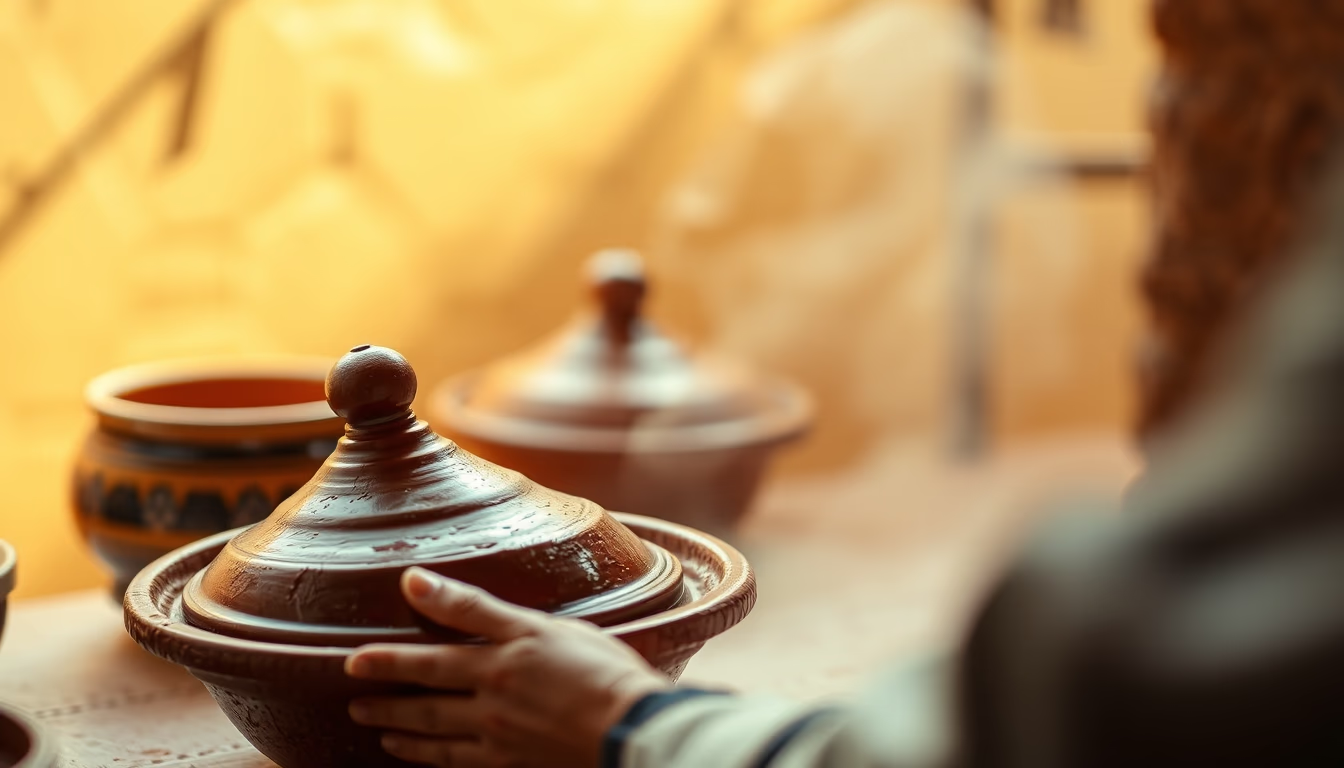
Tagine moroccan clay
1344×768 · AVIF · CC BY 4.0
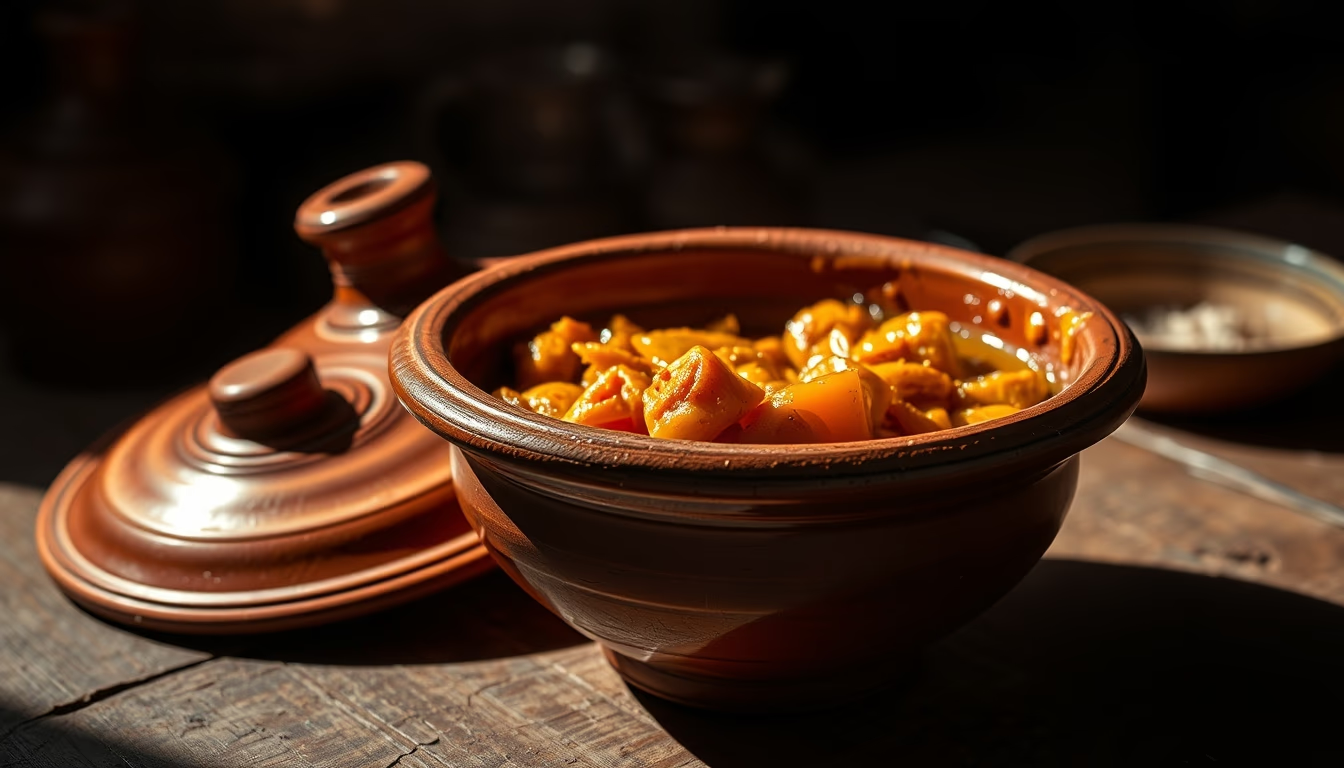
O tagine de barro marroquino é um utensílio culinário tradicional que cozinha lentamente carnes e vegetais, resultando em pratos aromáticos e suculentos.
Sobre o tema
O tagine marroquino é tanto o nome do recipiente de barro com tampa cônica quanto o prato cozido nele. Sua origem remonta aos berberes do Norte da África, há mais de mil anos. A forma única da tampa permite que o vapor se condense e retorne à base, mantendo os ingredientes úmidos durante o cozimento lento em fogo baixo. Esse método realça os sabores de carnes como cordeiro e frango, frequentemente combinadas com frutas secas, amêndoas e especiarias como açafrão, cominho e canela.
O tagine é um pilar da culinária marroquina, servido tradicionalmente com pão ou cuscuz. Cada região do Marrocos desenvolveu variações: nas montanhas do Atlas, pratos mais simples com vegetais da estação; nas cidades costeiras, frutos do mar com ervas frescas. A cerâmica usada na produção dos tagines é muitas vezes artesanal, com desenhos pintados à mão que refletem a herança cultural do país.
Além do Marrocos, o tagine é encontrado em toda a região do Magreb, incluindo Argélia e Tunísia, com adaptações locais. O cozimento lento não apenas amacia cortes de carne mais duros, mas também infunde os alimentos com aromas complexos. Pratos clássicos incluem tagine de frango com limão e azeitonas, cordeiro com ameixas e amêndoas, e versões vegetarianas com grão-de-bico e abóbora. A popularidade do tagine ultrapassou fronteiras, sendo apreciado mundialmente em restaurantes e lares.
Para usar um tagine de barro corretamente, é necessário temperá-lo antes do primeiro uso, deixando-o de molho em água e depois secando ao sol. O recipiente não deve ser submetido a choques térmicos, como colocar diretamente no forno quente. O ideal é cozinhar em fogo baixo, seja em fogão a gás com difusor ou em brasas, preservando a integridade do barro. Muitos cozinheiros consideram que o sabor dos alimentos preparados em tagine de barro é incomparável devido à lenta extração dos sucos naturais.
Perguntas frequentes
Qual a origem do tagine?
O tagine tem origem berbere no Norte da África, com mais de mil anos de história. Era usado pelas tribos nômades para cozinhar lentamente sobre brasas.
Como funciona o cozimento no tagine?
A tampa cônica retém o vapor, que condensa e escorre de volta para a base, mantendo os alimentos úmidos e cozinhando em fogo baixo por horas.
Quais pratos típicos são feitos no tagine?
Frango com limão e azeitonas, cordeiro com ameixas e amêndoas, e vegetais com grão-de-bico são alguns dos pratos clássicos preparados no tagine.
URL direta
https://pub-c7d6a6ea828543ac903a74a341ccb2e1.r2.dev/imagens/tagine-moroccan-clay-rembrandt-lighting-dramatic-shadows-fresh16.avifComo creditar
Inclua um link visível de volta pro UtilizAí. Copie um dos snippets abaixo:
<a href="https://xn--utiliza-eza.com/midia/imagens/tagine-moroccan-clay-rembrandt-lighting-dramatic-shadows-fresh16">Tagine moroccan clay</a> by <a href="https://xn--utiliza-eza.com">UtilizAí</a>, licensed under <a href="https://creativecommons.org/licenses/by/4.0/">CC BY 4.0</a>.
[Tagine moroccan clay](https://xn--utiliza-eza.com/midia/imagens/tagine-moroccan-clay-rembrandt-lighting-dramatic-shadows-fresh16) by [UtilizAí](https://xn--utiliza-eza.com), CC BY 4.0
Licença: CC-BY-4.0