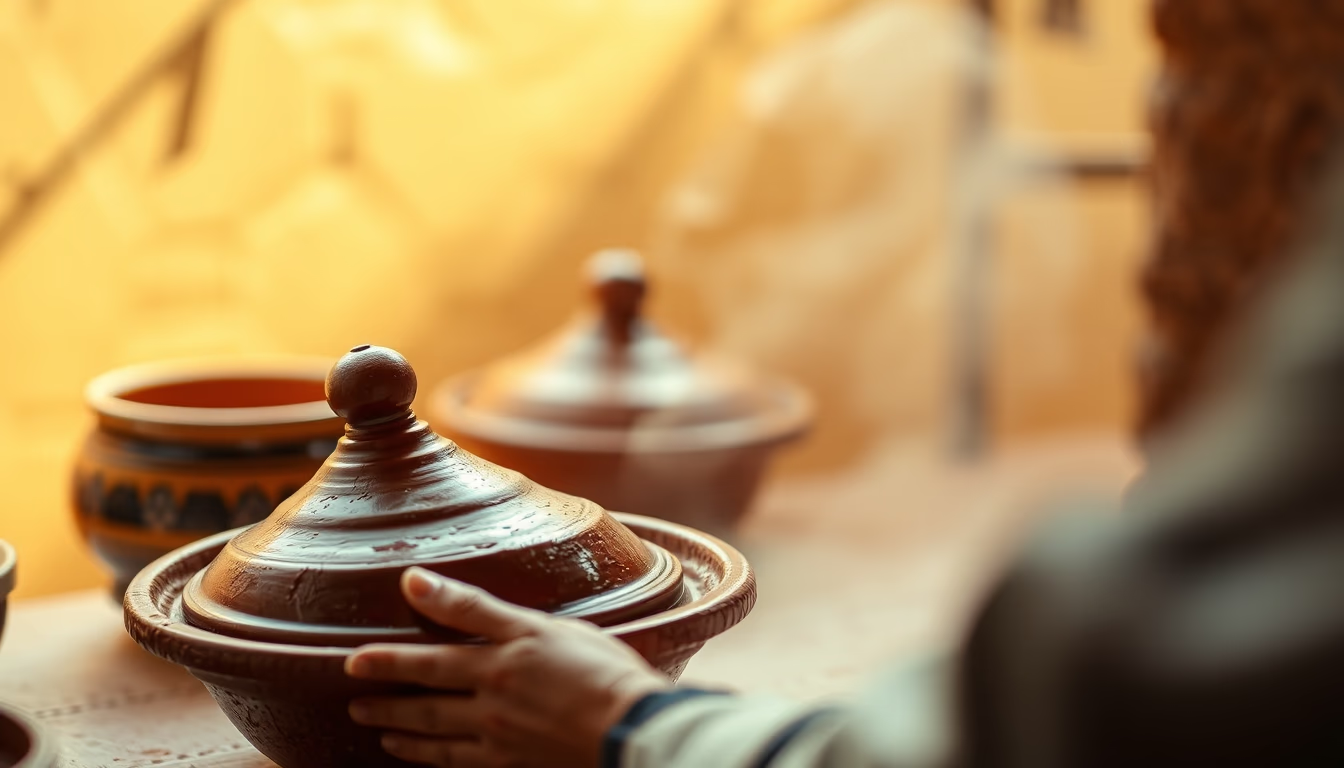
Tagine moroccan clay
1344×768 · AVIF · CC BY 4.0
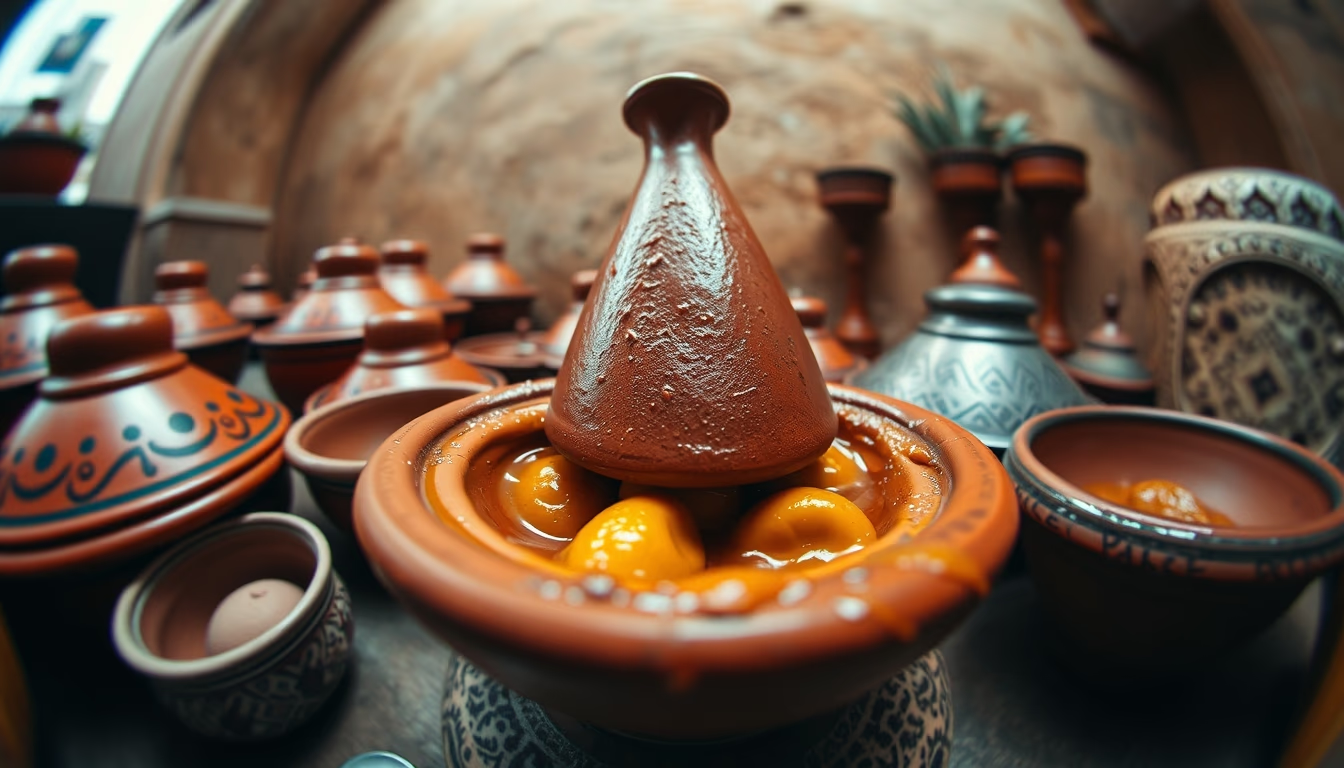
Moroccan clay tagine: traditional ceramic cookware used for slow-cooked stews, a symbol of North African cuisine.
About this subject
The tagine is a traditional North African cooking vessel, primarily used in Morocco, made from clay or ceramic with a distinctive conical lid. This shape is not merely aesthetic: the cone allows steam to rise, condense on the inner walls, and drip back down, creating a self-basting environment that keeps food moist and intensifies flavors. Originating with the Berber people, the tagine has been used for centuries and is central to dishes such as lamb with prunes, chicken with preserved lemon and olives, and vegetable-and-chickpea stews.
The clay used is often unglazed or partially glazed, requiring preparation before first use, soaking in water and then rubbing with oil to seal the porous surface. Cooking is done over low heat, traditionally on charcoal braziers but now adapted to stovetops with a heat diffuser to prevent cracking. Each region of Morocco may have variations in shape and decoration, but the slow-cooking function remains key. The tagine also serves as a serving dish, brought directly to the table for communal eating, accompanied by bread to soak up the sauce.
Culturally, cooking in a tagine is associated with Moroccan hospitality and weekend family meals or celebrations. The slow-cooking process tenderizes tougher cuts of meat and allows spices like saffron, cinnamon, ginger, and cumin to meld slowly. While modern versions in cast iron or enameled ceramic exist, traditional clay tagines are prized by purists for imparting an earthy flavor. UNESCO recognized Moroccan cuisine as an Intangible Cultural Heritage in 2010, highlighting the importance of utensils like the tagine.
Frequently Asked Questions
What is the difference between a clay tagine and an enameled ceramic one?
Traditional clay tagines are porous and require seasoning before first use, plus low heat and a diffuser to prevent cracking. Enameled versions are more durable and need no seasoning, but may lack the earthy flavor that clay imparts.
Can I use a clay tagine on an electric or glass-ceramic stove?
Yes, but you must use a heat diffuser between the tagine and the burner to distribute heat evenly and avoid thermal shock. Always keep the heat low.
What dishes are traditionally cooked in a tagine?
Famous dishes include lamb with prunes and almonds, chicken with preserved lemon and olives, and vegetable and chickpea stew. Fish and vegetarian versions also exist, all with bold spices like saffron, cinnamon, and cumin.
Direct URL
https://pub-c7d6a6ea828543ac903a74a341ccb2e1.r2.dev/imagens/tagine-moroccan-clay-fish-eye-wide-angle-fresh14.avifHow to credit
Include a visible link back to UtilizAí. Copy one of the snippets below:
<a href="https://xn--utiliza-eza.com/en/midia/imagens/tagine-moroccan-clay-fish-eye-wide-angle-fresh14">Tagine moroccan clay</a> by <a href="https://xn--utiliza-eza.com">UtilizAí</a>, licensed under <a href="https://creativecommons.org/licenses/by/4.0/">CC BY 4.0</a>.
[Tagine moroccan clay](https://xn--utiliza-eza.com/en/midia/imagens/tagine-moroccan-clay-fish-eye-wide-angle-fresh14) by [UtilizAí](https://xn--utiliza-eza.com), CC BY 4.0
License: CC-BY-4.0