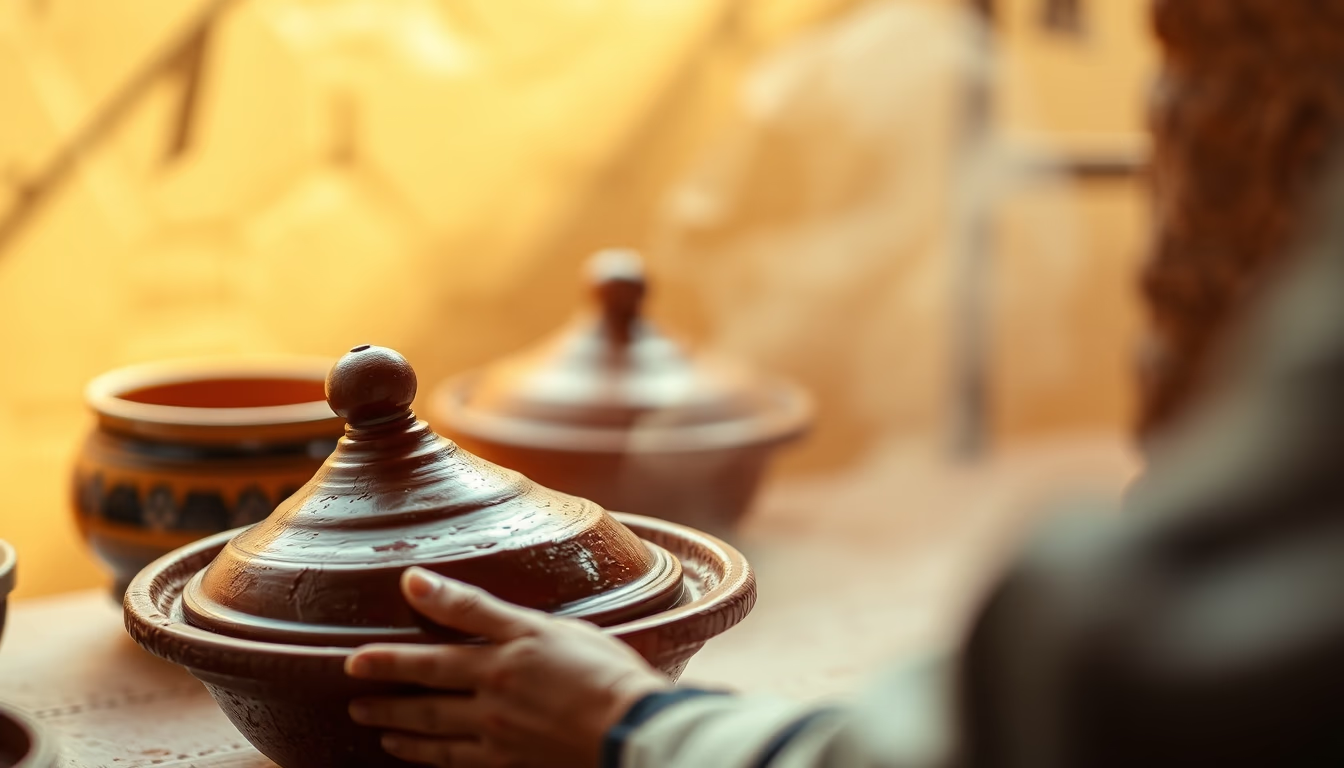
Tagine moroccan clay
1344×768 · AVIF · CC BY 4.0
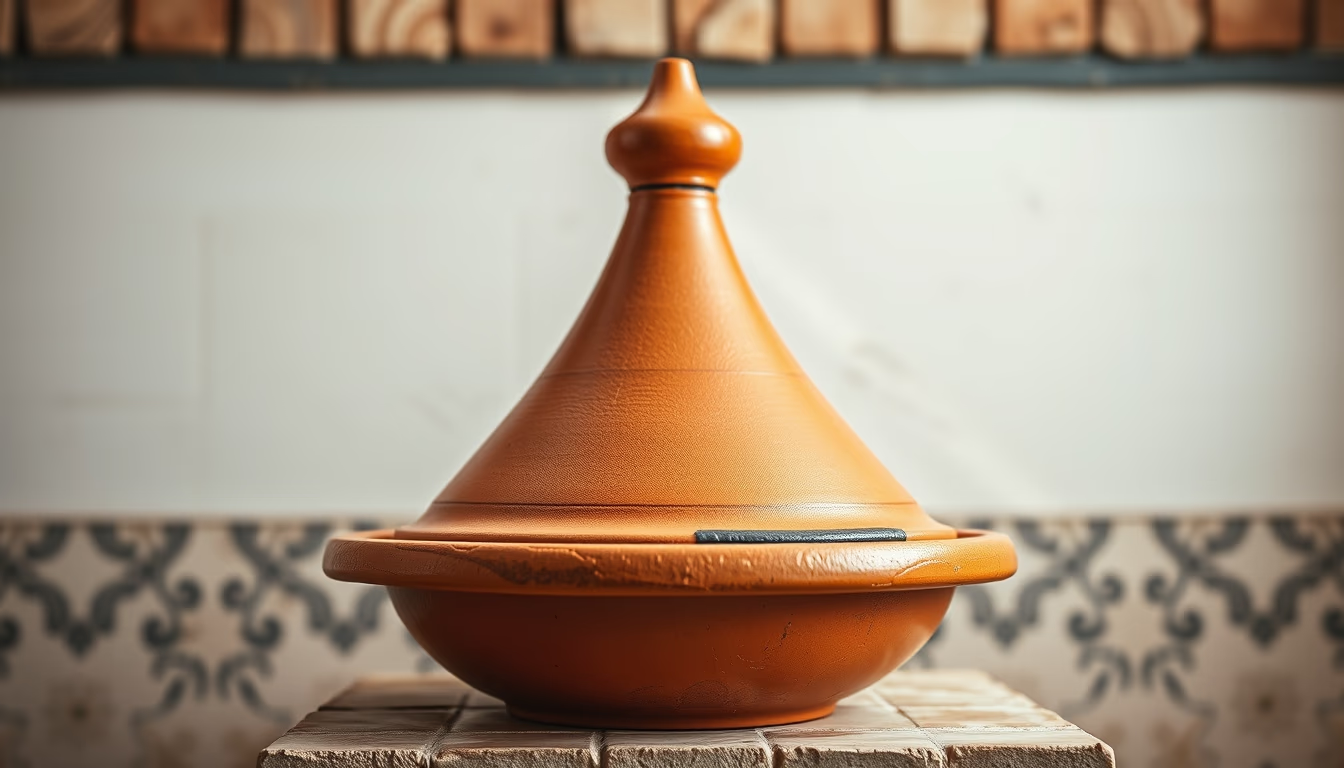
Moroccan clay tagine: an ancient slow-cooking vessel that defines Maghreb cuisine, with a conical design that condenses flavors.
About this subject
The tagine is a traditional North African cooking vessel, especially from Morocco, consisting of a wide, shallow base and a conical or dome-shaped lid. Made of clay or ceramic, often glazed or unglazed, its design allows steam to rise during cooking, condense on the cooler lid, and drip back onto the food, retaining moisture and intensifying flavors. This slow-cooking method is ideal for meats, poultry, fish, and vegetables, typically combined with dried fruits, spices like saffron, cumin, and cinnamon, plus olive oil and herbs.
Historically, the tagine dates back centuries, with origins possibly linked to Berber, Arab, and Ottoman influences. It is a symbol of Moroccan hospitality, often served on large platters for sharing. The name "tagine" also refers to the dish cooked in it. In 2008, Moroccan cuisine was recognized by UNESCO as Intangible Cultural Heritage, with the tagine as one of its icons.
Beyond culinary use, the clay tagine has properties that affect flavor: the porous clay slowly absorbs aromas and imparts an earthy texture. Glazed versions are easier to clean, while unglazed ones require seasoning before first use. The tagine is heat-resistant and can be used in the oven, on the stove (with a diffuser), or over coals. Its conical shape is functional: it allows efficient heat circulation and slow evaporation of liquids, resulting in succulent, concentrated dishes.
Outside Morocco, the tagine has gained popularity as an exotic and versatile kitchen utensil, used in slow-cooking recipes worldwide. In 2023, the global clay pot market was valued at $1.2 billion, with tagines representing a significant share. Though often associated with Morocco, variations appear in Algeria, Tunisia, and Libya, each with regional twists. The tagine is not just a utensil but a cultural expression connecting generations through the art of slow cooking.
Frequently Asked Questions
Do I need to season a tagine before first use?
Yes, especially if it is unglazed clay. Soak it in water for 24 hours, dry, and coat with olive oil. Then bake at low heat for a few hours to seal pores and prevent cracking.
Can I use a tagine on a regular stove?
Yes, but it is recommended to use a heat diffuser to distribute heat evenly and avoid thermal shock. Avoid high heat; slow cooking is ideal.
What is the difference between glazed and unglazed clay tagines?
Glazed tagines are easier to clean and do not require seasoning, but may retain less earthy flavor. Unglazed ones require care, but many chefs believe they enhance the food's taste.
Direct URL
https://pub-c7d6a6ea828543ac903a74a341ccb2e1.r2.dev/imagens/tagine-moroccan-clay-architectural-photography-fresh8.avifHow to credit
Include a visible link back to UtilizAí. Copy one of the snippets below:
<a href="https://xn--utiliza-eza.com/en/midia/imagens/tagine-moroccan-clay-architectural-photography-fresh8">Tagine moroccan clay</a> by <a href="https://xn--utiliza-eza.com">UtilizAí</a>, licensed under <a href="https://creativecommons.org/licenses/by/4.0/">CC BY 4.0</a>.
[Tagine moroccan clay](https://xn--utiliza-eza.com/en/midia/imagens/tagine-moroccan-clay-architectural-photography-fresh8) by [UtilizAí](https://xn--utiliza-eza.com), CC BY 4.0
License: CC-BY-4.0