Sunlight through window peace
1344×768 · AVIF · CC BY 4.0
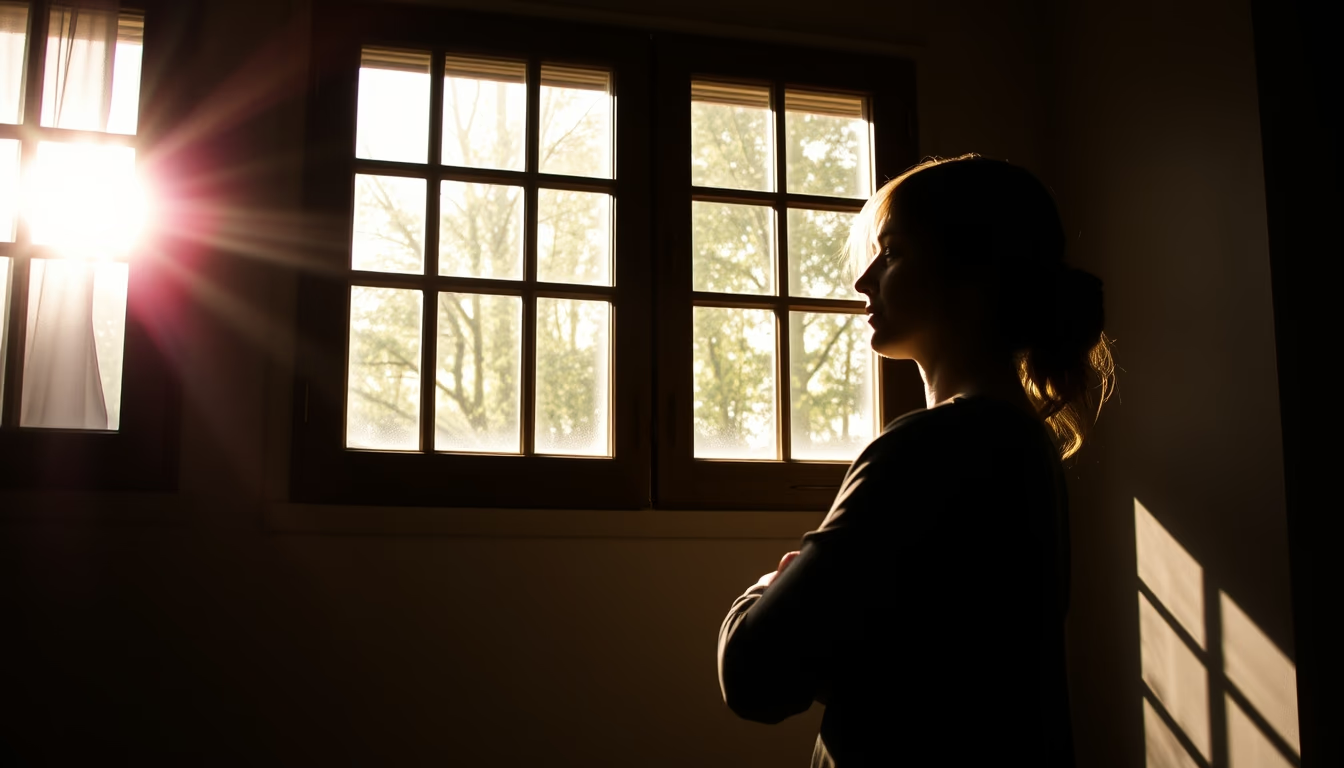
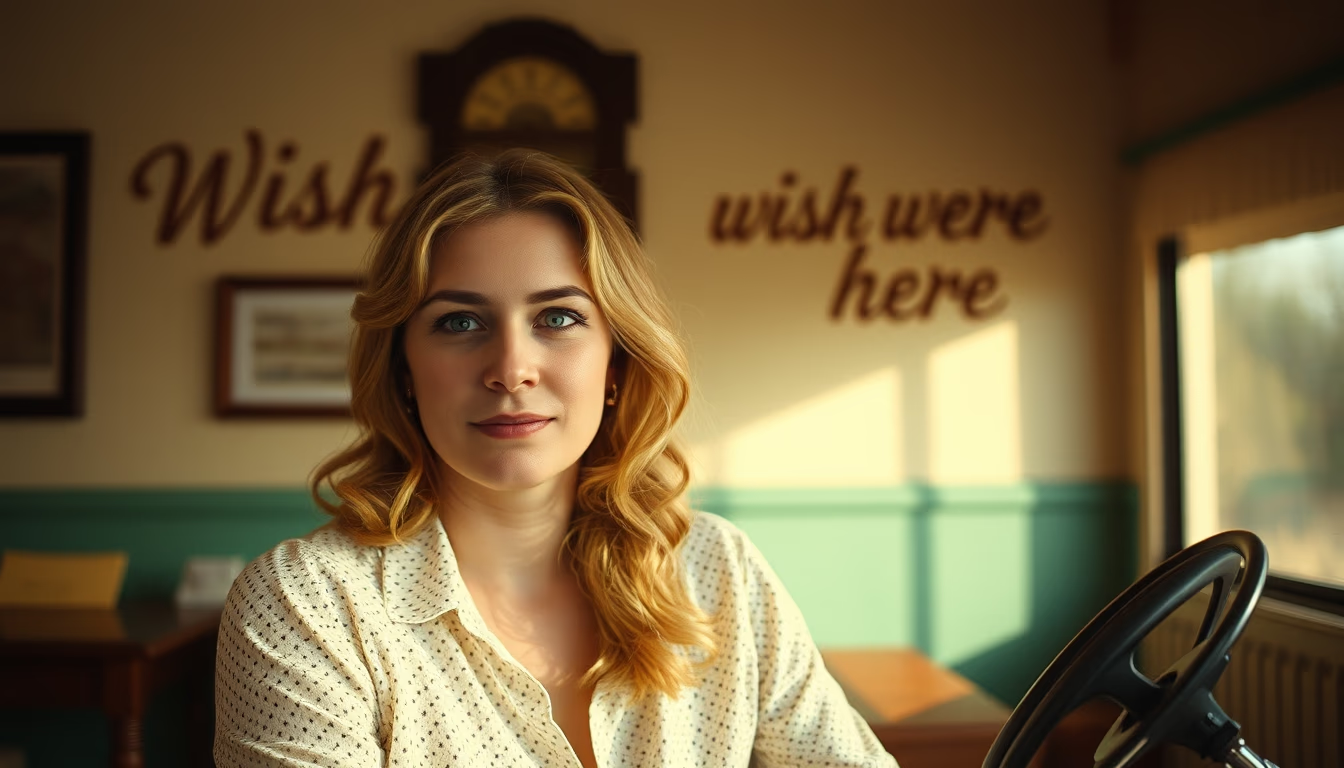
A luz natural que entra por uma janela cria um clima de tranquilidade e introspecção, tema recorrente na fotografia fine art.
Sobre o tema
A luz solar filtrada por uma janela é um dos elementos mais poderosos na fotografia fine art. Fotógrafos buscam capturar o jogo de luz e sombra que se forma, utilizando a chamada “window light” para realçar texturas e criar atmosferas suaves. Essa técnica é particularmente valorizada em retratos e naturezas-mortas, onde a luz difusa da manhã ou do fim da tarde produz um efeito quase etéreo, sem contrastes agressivos. O posicionamento da janela, o tipo de vidro e até a orientação do cômodo influenciam a qualidade da luz, tornando cada cena única.
Na história da arte, a janela sempre carregou forte simbolismo. Vermeer, no século XVII, imortalizou a luz que entrava por janelas em suas cenas domésticas, criando uma sensação de intimidade e serenidade. Na fotografia contemporânea, esse elemento continua sendo explorado como metáfora para esperança, transição ou conexão com o exterior. Uma janela pode representar um portal para o mundo lá fora ou um limite entre o privado e o público, dependendo do enquadramento e do contexto cultural.
Além do valor estético, a luz natural tem impactos comprovados na saúde e no bem-estar. Estudos mostram que a exposição à luz do dia regula o ritmo circadiano, melhora o humor e aumenta a produtividade. Ambientes com ampla iluminação natural são associados a menores níveis de estresse e maior conforto visual. Por isso, fotografias que destacam a entrada de luz por janelas frequentemente evocam uma sensação de paz e acolhimento, ressoando com o espectador em um nível emocional profundo.
Curiosamente, a técnica de chiaroscuro, tão celebrada na pintura barroca, encontra paralelos na fotografia de janelas. O contraste entre a luz incidente e as áreas de sombra cria profundidade e tridimensionalidade. Na fotografia de arquitetura, a luz de uma janela pode definir a atmosfera inteira de um espaço, destacando materiais como madeira, tecido ou paredes texturizadas. Essa abordagem exige um olhar atento aos reflexos e à exposição, muitas vezes com o uso de filtros polarizadores ou técnicas de HDR para equilibrar as áreas iluminadas e escuras.
Perguntas frequentes
Qual a melhor hora do dia para fotografar a luz natural de uma janela?
As primeiras horas da manhã (até 9h) e o fim da tarde (após 16h) oferecem luz mais suave e difusa, com sombras longas e tons quentes. No meio do dia, a luz é mais direta e contrastante, podendo gerar sombras duras.
Como a luz natural afeta a composição de uma fotografia fine art?
A luz natural define o clima da imagem, destacando volumes e texturas. Ela guia o olhar do espectador, criando pontos de interesse nas áreas iluminadas e reforçando a profundidade. Uma janela pode ser usada como moldura ou fonte de iluminação principal.
Que equipamento é recomendado para capturar luz através de janelas?
Uma câmera com bom alcance dinâmico é importante para preservar detalhes em áreas claras e escuras. Filtros polarizadores reduzem reflexos no vidro, e tripés permitem exposições longas em condições de pouca luz. Lentes com abertura ampla ajudam em ambientes internos.
URL direta
https://pub-c7d6a6ea828543ac903a74a341ccb2e1.r2.dev/imagens/sunlight-through-window-peace-fine-art-photography-p1.avifComo creditar
Inclua um link visível de volta pro UtilizAí. Copie um dos snippets abaixo:
<a href="https://xn--utiliza-eza.com/midia/imagens/sunlight-through-window-peace-fine-art-photography-p1">Sunlight through window peace</a> by <a href="https://xn--utiliza-eza.com">UtilizAí</a>, licensed under <a href="https://creativecommons.org/licenses/by/4.0/">CC BY 4.0</a>.
[Sunlight through window peace](https://xn--utiliza-eza.com/midia/imagens/sunlight-through-window-peace-fine-art-photography-p1) by [UtilizAí](https://xn--utiliza-eza.com), CC BY 4.0
Licença: CC-BY-4.0