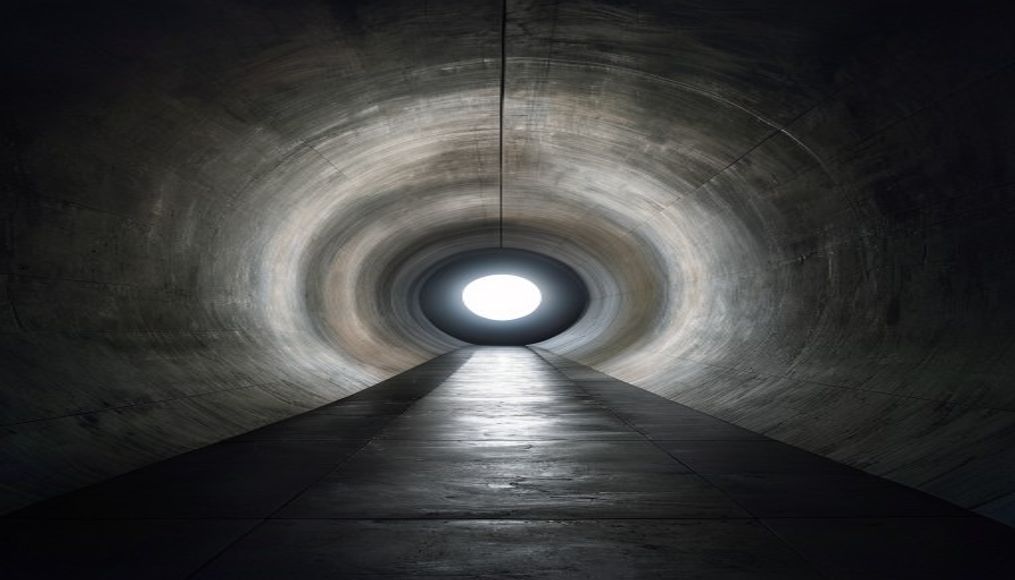
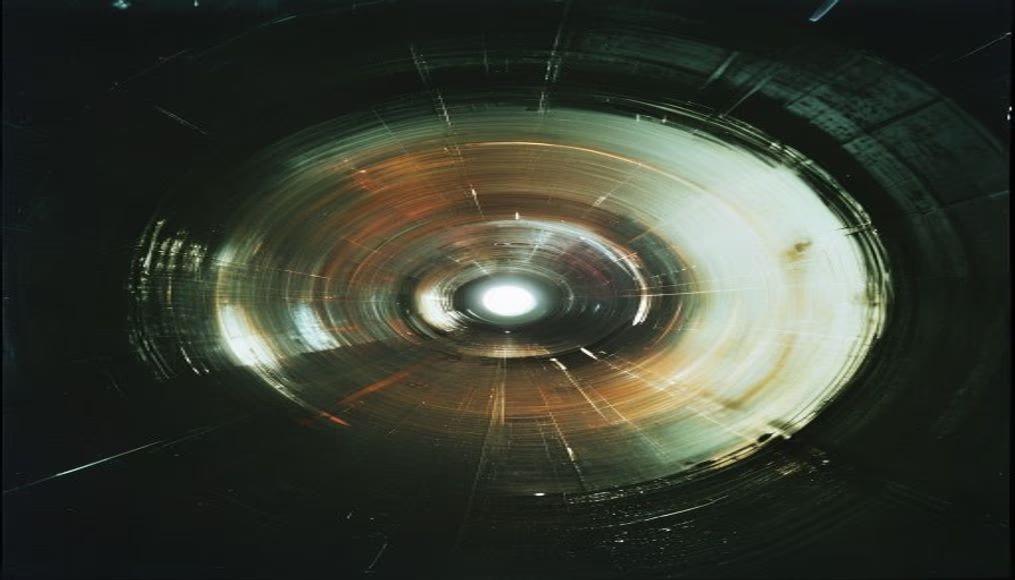
Sun corona solar flare
1344×768 · AVIF · CC BY 4.0

Solar flares and the solar corona are fascinating phenomena that reveal the Sun's magnetic activity, influencing space weather and technology on Earth.
About this subject
The Sun, our closest star, exhibits complex activity manifesting in the solar corona and solar flares. The corona is the outermost layer of the solar atmosphere, extending millions of kilometers into space. It consists of extremely hot plasma, with temperatures exceeding 1 million degrees Celsius, much hotter than the visible surface. This temperature difference is one of astrophysics' great mysteries, known as the coronal heating problem. The corona is visible to the naked eye only during a total solar eclipse, when the Moon blocks the intense light of the photosphere.
Solar flares, in turn, are violent explosions in the solar atmosphere that release enormous amounts of energy, equivalent to billions of hydrogen bombs. They occur when magnetic field lines break and reconnect, accelerating charged particles. These flares can last from minutes to hours and are often accompanied by coronal mass ejections (CMEs), which send clouds of plasma and radiation into space. The energetic particles can reach Earth in a few days, interacting with our magnetic field and causing geomagnetic storms.
The importance of studying these phenomena goes beyond scientific curiosity. Space weather generated by solar activity can affect satellites, power grids, and radio communications. In 1859, the Carrington Event, a massive solar flare, caused telegraph failures worldwide and auroras visible even in tropical latitudes. Today, with technological dependence, understanding and predicting such events is crucial. Observatories like NASA's Solar Dynamics Observatory (SDO) constantly monitor the Sun in multiple wavelengths, providing detailed images of the corona and flares.
Additionally, the solar corona plays a key role in forming the solar wind, a continuous flow of particles traveling through the solar system. This wind shapes planetary atmospheres and creates auroras at Earth's poles. Every 11 years, the solar cycle reaches its maximum, with more sunspots, flares, and CMEs. The current cycle, Solar Cycle 25, started in 2019 and is predicted to peak in 2025. For fine art photography enthusiasts, capturing the beauty of the corona during an eclipse or flares in ultraviolet light is a technical challenge resulting in stunning images, blending science and aesthetics.
Frequently Asked Questions
What causes a solar flare?
Solar flares are caused by the sudden release of magnetic energy stored in the Sun's atmosphere. This happens when magnetic field lines break and reconnect, accelerating particles and generating intense radiation.
How is the solar corona observed besides eclipses?
Besides total eclipses, the solar corona is observed using coronagraphs, instruments that block direct sunlight, and space telescopes like SDO, which capture images in extreme ultraviolet.
Can solar flares affect life on Earth?
Yes, especially associated coronal mass ejections (CMEs). They can cause geomagnetic storms that disrupt satellites, power grids, and communications. However, Earth's atmosphere and magnetic field protect surface life.
Direct URL
https://pub-c7d6a6ea828543ac903a74a341ccb2e1.r2.dev/imagens/sun-corona-solar-flare-fine-art-photography-p0.avifHow to credit
Include a visible link back to UtilizAí. Copy one of the snippets below:
<a href="https://xn--utiliza-eza.com/en/midia/imagens/sun-corona-solar-flare-fine-art-photography-p0">Sun corona solar flare</a> by <a href="https://xn--utiliza-eza.com">UtilizAí</a>, licensed under <a href="https://creativecommons.org/licenses/by/4.0/">CC BY 4.0</a>.
[Sun corona solar flare](https://xn--utiliza-eza.com/en/midia/imagens/sun-corona-solar-flare-fine-art-photography-p0) by [UtilizAí](https://xn--utiliza-eza.com), CC BY 4.0
License: CC-BY-4.0