Sugarcane field with controlled burn at sunset in countryside
1344×768 · AVIF · CC BY 4.0
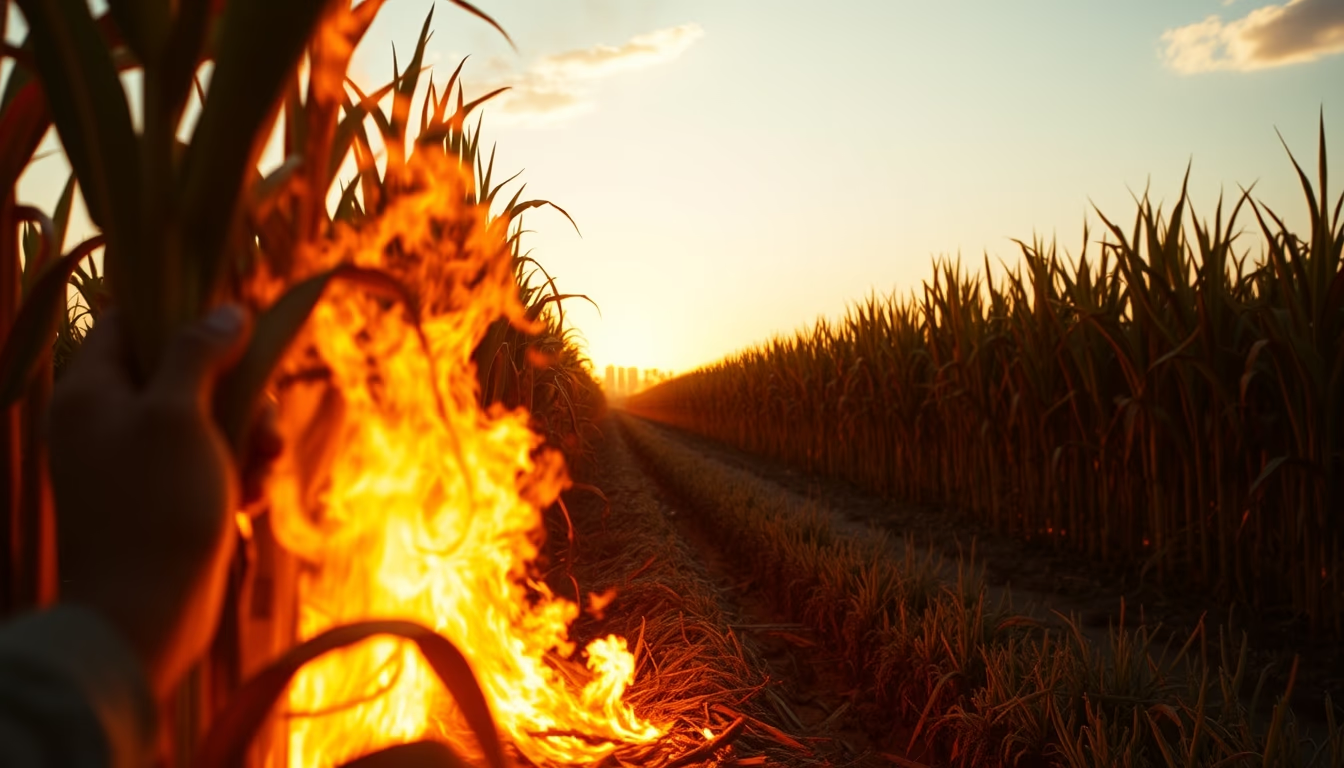
Scene of a sugarcane field with controlled burning at sunset in São Paulo's countryside, a historical agricultural practice that prepares the soil for mechanized harvesting.
About this subject
The burning sugarcane field at sunset depicts a crucial step in Brazil's sugarcane production cycle, particularly in São Paulo state, the country's largest producer. Controlled burning, though declining due to environmental laws and mechanization, is still used in rugged terrain or where manual harvesting persists. The fire removes straw and dry leaves, facilitating cutting and increasing efficiency, but also releases soot and greenhouse gases. The contrast of intense orange flames with the twilight sky creates a dramatic landscape common in the Ribeirão Preto and Piracicaba regions, where sugarcane dominates vast areas. Historically, burning dates back to the colonial period when cane was cut manually by enslaved workers. Today, mechanization covers over 90% of São Paulo's harvest, reducing burning, but fire is still employed in specific situations, such as for more fibrous cane varieties or on sloped fields. The practice is regulated by environmental agencies, requiring authorization and monitoring to prevent uncontrolled wildfires. The sunset, with its golden light, intensifies the perception of heat and the movement of flames, while the horizon disappears among rows of burnt cane. For the farmer, burning represents a trade-off between immediate productivity and environmental impacts, sparking discussions on sustainability in the sugar-energy sector.
Frequently Asked Questions
Why is controlled burning done in sugarcane fields?
Controlled burning removes straw and dry leaves from sugarcane, making manual cutting easier and increasing productivity. It also reduces the risk of accidents with venomous animals and improves transport efficiency.
Is controlled burning legal in Brazil?
Yes, but it is regulated by state and federal laws. In São Paulo, Law 11.241/2002 prohibits burning in mechanizable areas but allows it in non-mechanizable areas with prior authorization from CETESB.
What is the environmental impact of sugarcane burning?
Burning releases CO2, particulate matter, and other pollutants, contributing to air pollution and the greenhouse effect. It can also harm local wildlife and soil when not properly controlled.
Direct URL
https://pub-c7d6a6ea828543ac903a74a341ccb2e1.r2.dev/imagens/sugarcane-field-on-fire-being-controlled-at-sunset-in-sao-paulo-countryside-wide-late-afternoon-4.avifHow to credit
Include a visible link back to UtilizAí. Copy one of the snippets below:
<a href="https://xn--utiliza-eza.com/en/midia/imagens/sugarcane-field-on-fire-being-controlled-at-sunset-in-sao-paulo-countryside-wide-late-afternoon-4">Sugarcane field with controlled burn at sunset in countryside</a> by <a href="https://xn--utiliza-eza.com">UtilizAí</a>, licensed under <a href="https://creativecommons.org/licenses/by/4.0/">CC BY 4.0</a>.
[Sugarcane field with controlled burn at sunset in countryside](https://xn--utiliza-eza.com/en/midia/imagens/sugarcane-field-on-fire-being-controlled-at-sunset-in-sao-paulo-countryside-wide-late-afternoon-4) by [UtilizAí](https://xn--utiliza-eza.com), CC BY 4.0
License: CC-BY-4.0