Stuffed animals collection
1344×768 · AVIF · CC BY 4.0
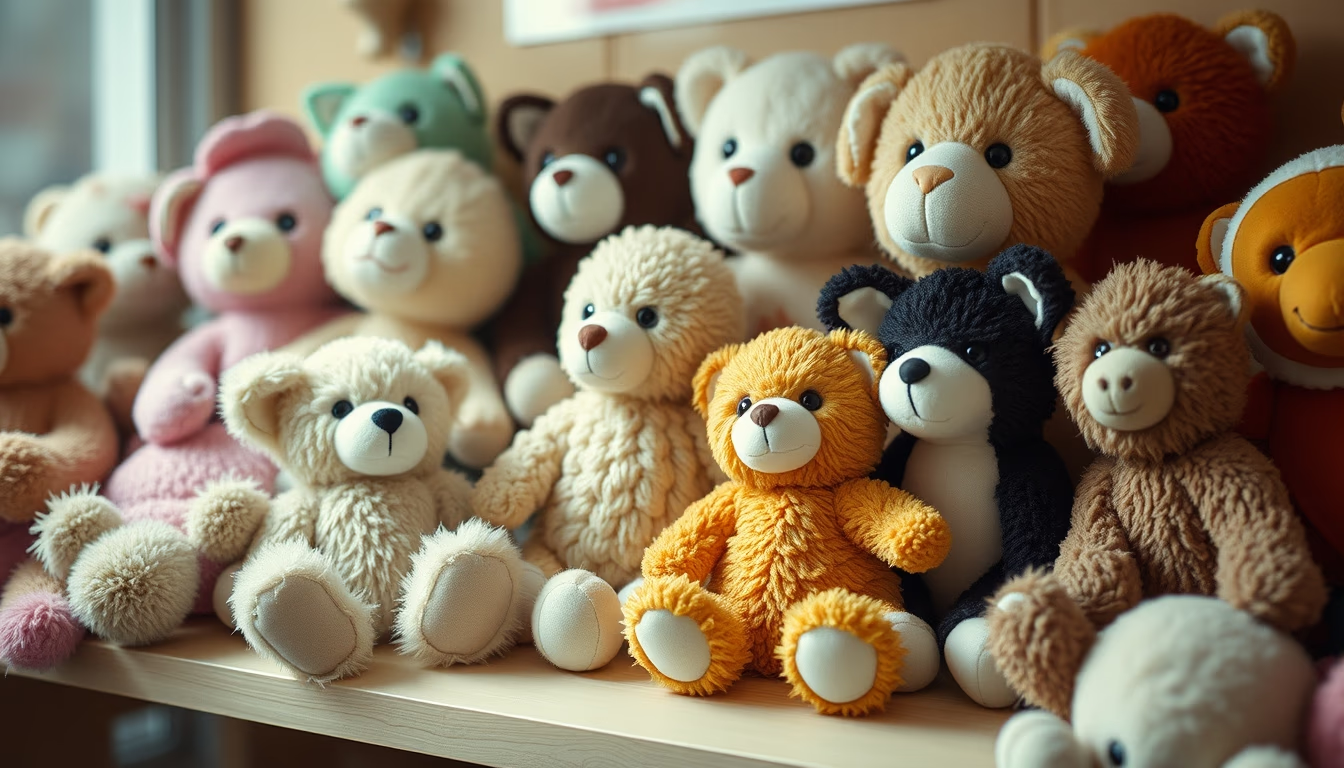
Collections of stuffed animals are objects of affection and memory, uniting generations around toys that span decades.
About this subject
Stuffed animals, also known as plushies or soft toys, are fabric toys filled with synthetic fiber, cotton, or foam. Their origin dates to the early 20th century with the iconic Teddy bear, named after U.S. President Theodore Roosevelt. Since then, the industry has expanded globally to include licensed characters, realistic animals, and limited editions. In Brazil, brands like Pelúcia Brasil and imports such as Ty (with its Beanie Babies) fueled collecting culture, especially in the 1990s.
Collecting stuffed animals goes beyond mere accumulation: it involves curation by theme, rarity, condition, and sentimental value. Many collectors seek vintage or special-edition pieces, such as those released for cultural events or holidays. Antique fairs and online platforms like Mercado Livre and Enjoei are common sources. Collectors' communities maintain forums and social media groups where they share tips on preservation (e.g., avoiding dust mites and stains) and restoration.
Culturally, stuffed animals represent comfort and nostalgia. They are often tied to childhood, but adults also collect them as personal expression or investment, some rare pieces fetch thousands of reais at auctions. In recent trends, the “lo-fi” or “disposable camera” aesthetic revives the grainy, nostalgic look of family photo albums, giving new life to records of collections. This trend aligns with rediscovering physical objects in a digital world, valuing the texture and tactile history of plush toys.
From a technical standpoint, common materials include polyester plush, plastic safety-lock eyes, and hypoallergenic stuffing. Industrial production follows safety standards such as INMETRO certification in Brazil, ensuring durability and non-toxicity. However, handmade or antique pieces may contain less safe materials, requiring extra care. The diversity in size, color, and shape is enormous, from 5cm miniatures to 2-meter giants, each with its own dedicated audience.
Frequently Asked Questions
How to preserve stuffed animals to avoid dust mites and mold?
Store them in a dry, ventilated place away from direct sunlight. Wash with mild soap and cold water, avoiding wringing. Use a vacuum cleaner with a brush attachment for surface dust. In humid climates, place silica gel packets nearby.
What is the most expensive stuffed animal ever sold?
The record is held by a 1904 Steiff bear named 'Teddy Girl', which sold for about $90,000 at auction. Other rare items like early Beanie Babies or limited-edition Disney plushies can fetch thousands of dollars.
Why is the 'lo-fi' or 'disposable camera' aesthetic associated with photos of plush collections?
This aesthetic evokes nostalgia for the 1990s and 2000s, when disposable cameras were common for family snapshots. Grainy, desaturated photos recall childhood and the affection tied to stuffed animals, creating an authentic emotional atmosphere.
Direct URL
https://pub-c7d6a6ea828543ac903a74a341ccb2e1.r2.dev/imagens/stuffed-animals-collection-lo-fi-disposable-camera-p5.avifHow to credit
Include a visible link back to UtilizAí. Copy one of the snippets below:
<a href="https://xn--utiliza-eza.com/en/midia/imagens/stuffed-animals-collection-lo-fi-disposable-camera-p5">Stuffed animals collection</a> by <a href="https://xn--utiliza-eza.com">UtilizAí</a>, licensed under <a href="https://creativecommons.org/licenses/by/4.0/">CC BY 4.0</a>.
[Stuffed animals collection](https://xn--utiliza-eza.com/en/midia/imagens/stuffed-animals-collection-lo-fi-disposable-camera-p5) by [UtilizAí](https://xn--utiliza-eza.com), CC BY 4.0
License: CC-BY-4.0