Stuffed animals collection
1344×768 · AVIF · CC BY 4.0
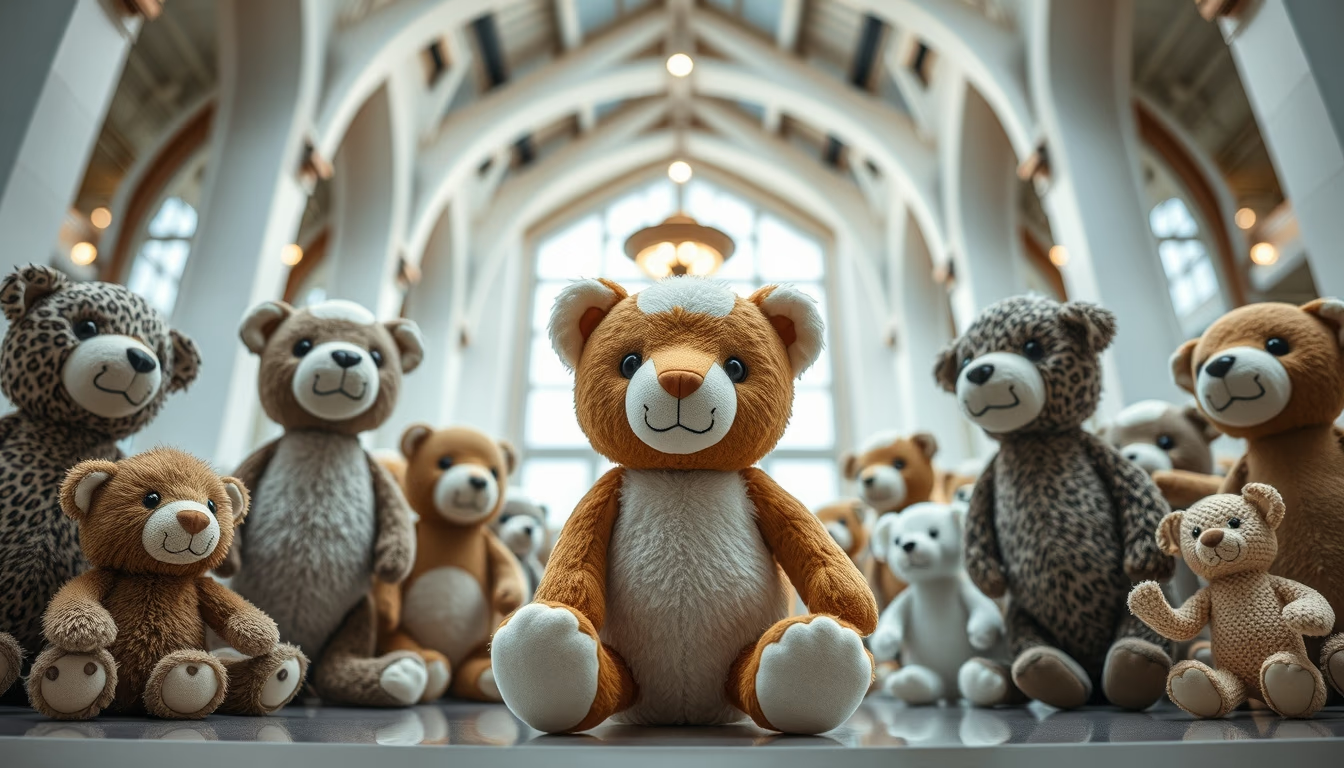
A coleção de bichos de pelúcia, objeto de afeto e colecionismo, ganha novas dimensões quando integrada à fotografia arquitetônica, revelando contrastes entre infância e espaço construído.
Sobre o tema
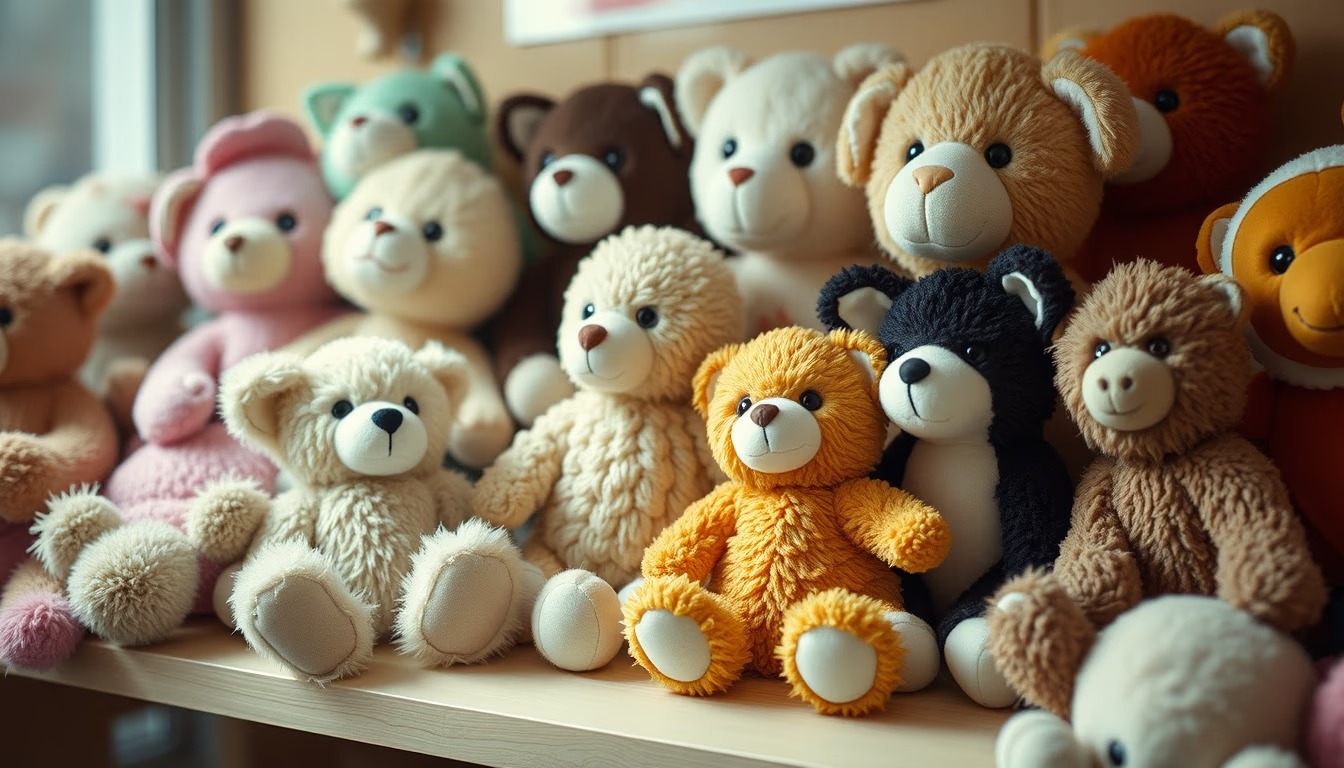
Bichos de pelúcia são brinquedos macios feitos de tecido e recheio, geralmente representando animais. O primeiro bicho de pelúcia moderno foi o urso Teddy, criado em 1902 em homenagem ao presidente Theodore Roosevelt. Desde então, tornaram-se objetos de conforto, decoração e colecionismo. A indústria global de brinquedos de pelúcia movimenta bilhões de dólares anualmente, com marcas como Steiff e Build-A-Bear sendo referências.
Para colecionadores, o valor de uma pelúcia pode variar com raridade, idade e estado de conservação. Existem feiras especializadas e comunidades online dedicadas à troca e avaliação. A fotografia arquitetônica de coleções de pelúcia é uma tendência crescente, que usa a geometria dos espaços para destacar a forma e a cor dos brinquedos, criando composições que brincam com escala e perspectiva.
Além do aspecto lúdico, as pelúcias têm importância cultural em diversas sociedades. No Japão, por exemplo, os personagens de pelúcia como Hello Kitty são ícones pop. No Brasil, a tradição de dar bichinhos de pelúcia como presente em ocasiões especiais é forte, especialmente para bebês e crianças. A curadoria de uma coleção pode refletir memórias afetivas, viagens ou simplesmente o apreço estético.
Perguntas frequentes
Como surgiram os primeiros bichos de pelúcia?
O primeiro bicho de pelúcia moderno foi o urso Teddy, criado em 1902 em homenagem ao presidente Theodore Roosevelt. A história conta que Roosevelt se recusou a atirar em um urso amarrado durante uma caçada, inspirando a criação do brinquedo.
Qual é o maior fabricante de bichos de pelúcia do mundo?
A empresa alemã Steiff é considerada uma das pioneiras e mais prestigiadas, mas o maior fabricante em volume é a americana Ty Inc., criadora dos Beanie Babies. Outros gigantes incluem Build-A-Bear e a chinesa Honghe.
Como conservar e limpar uma coleção de pelúcias?
A maioria das pelúcias pode ser lavada à mão com sabão neutro e água fria, mas é importante verificar a etiqueta. Para evitar danos, use secagem ao ar livre e evite exposição direta ao sol. Pelúcias antigas ou valiosas devem ser limpas por profissionais de conservação têxtil.
URL direta
https://pub-c7d6a6ea828543ac903a74a341ccb2e1.r2.dev/imagens/stuffed-animals-collection-architectural-photography-p3.avifComo creditar
Inclua um link visível de volta pro UtilizAí. Copie um dos snippets abaixo:
<a href="https://xn--utiliza-eza.com/midia/imagens/stuffed-animals-collection-architectural-photography-p3">Stuffed animals collection</a> by <a href="https://xn--utiliza-eza.com">UtilizAí</a>, licensed under <a href="https://creativecommons.org/licenses/by/4.0/">CC BY 4.0</a>.
[Stuffed animals collection](https://xn--utiliza-eza.com/midia/imagens/stuffed-animals-collection-architectural-photography-p3) by [UtilizAí](https://xn--utiliza-eza.com), CC BY 4.0
Licença: CC-BY-4.0