Storyboard sketches
1344×768 · AVIF · CC BY 4.0
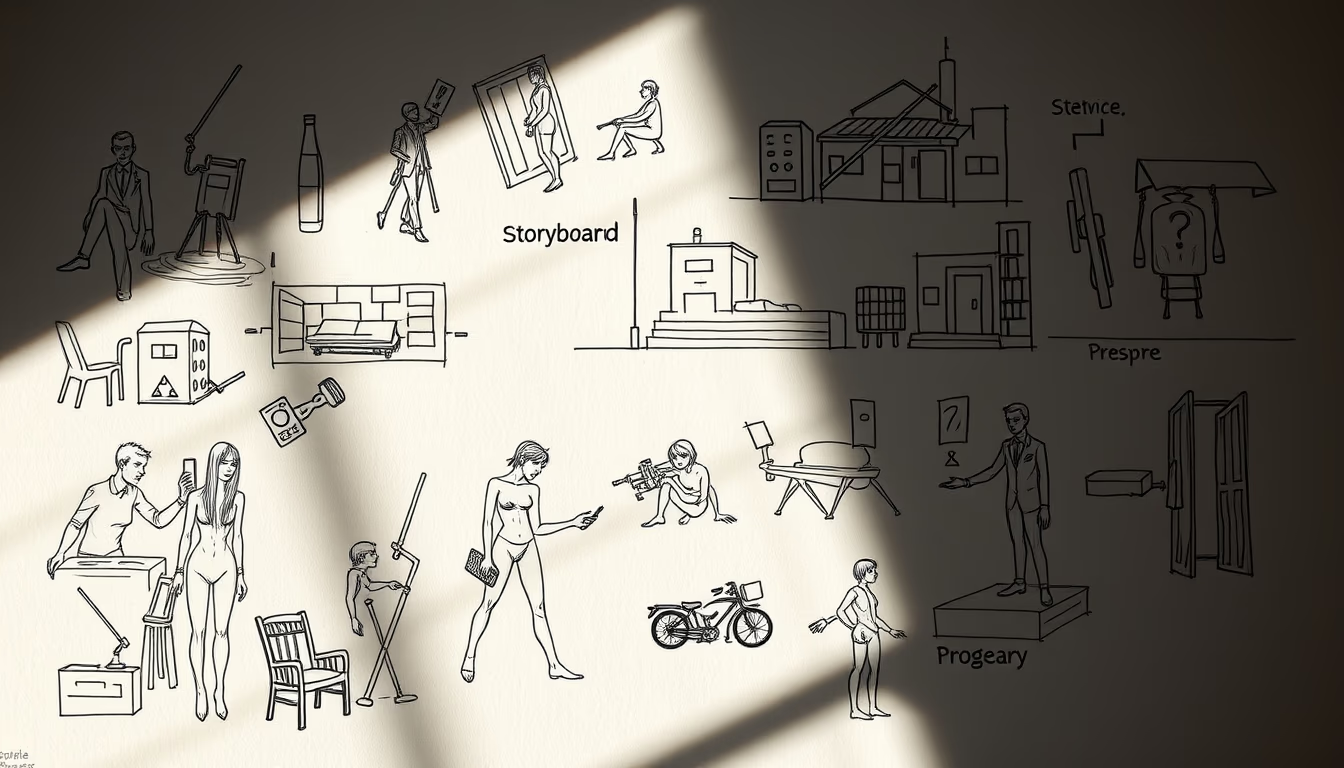
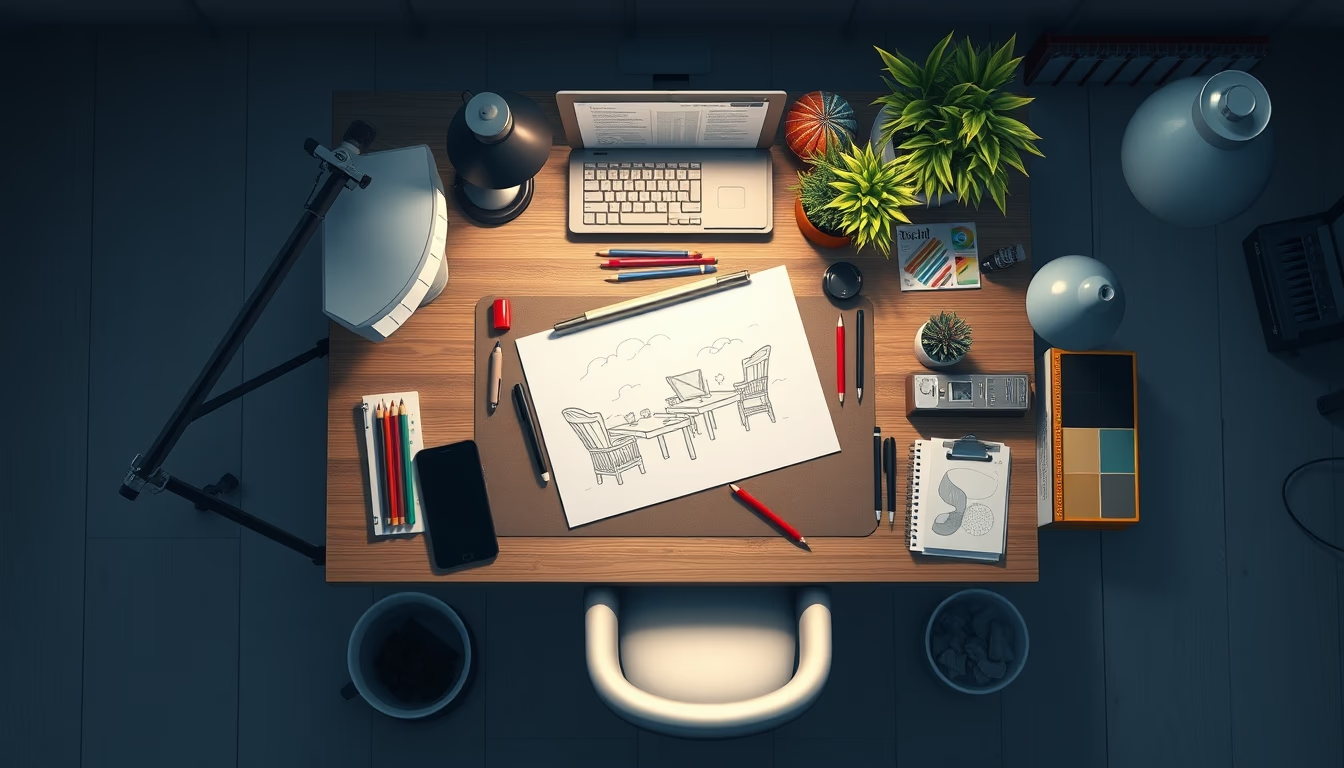
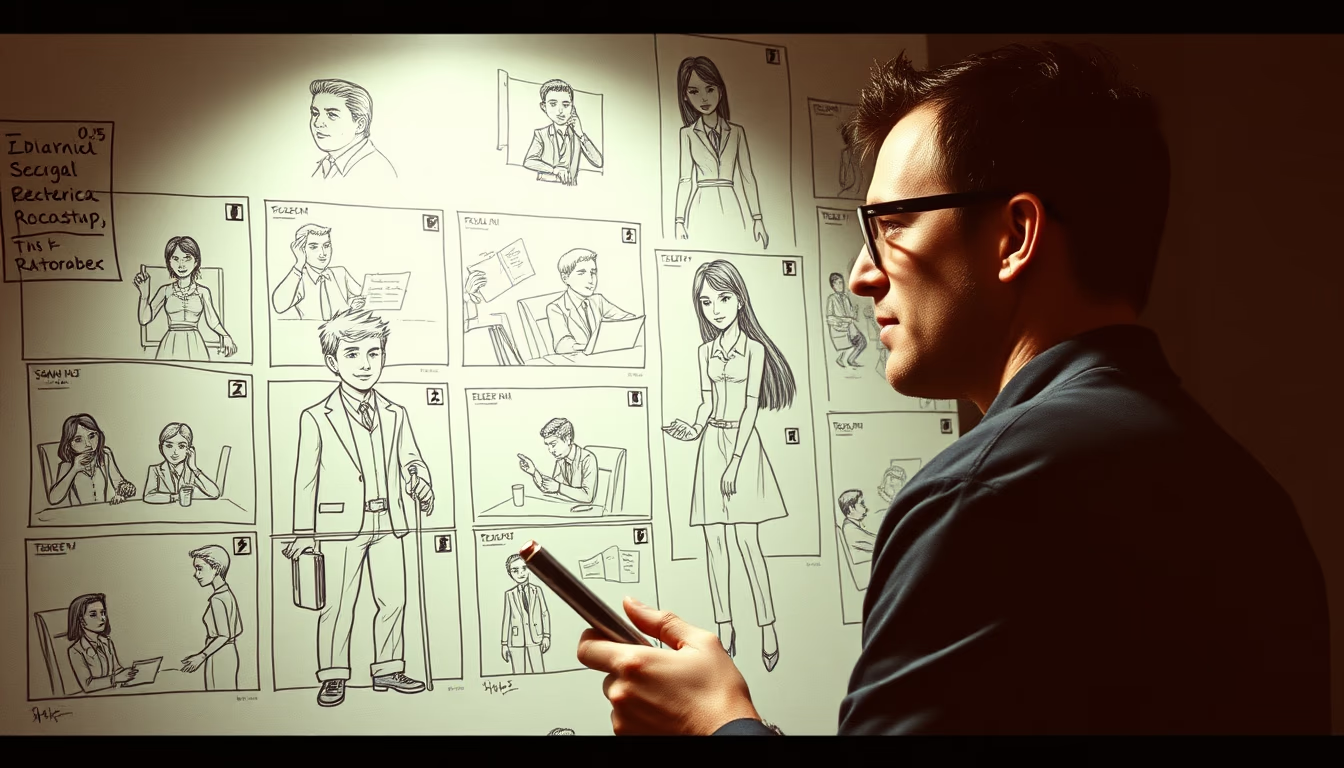
Storyboard sketches using Rembrandt lighting and dramatic shadows are essential tools for visual planning in films, comics, and animations.
About this subject
Storyboards are sequences of drawings that serve as a visual script, allowing directors, filmmakers, and artists to plan framing, camera movements, and lighting before filming or final production. The technique originated in Disney animation studios in the 1930s but quickly spread to live-action cinema and comics. A well-crafted storyboard saves time and resources by anticipating issues of continuity, rhythm, and composition.
Rembrandt lighting, named after the Dutch painter Rembrandt van Rijn (1606-1669), is characterized by a triangle of light on the subject's face, usually on the side opposite the main light source. This technique creates a dramatic contrast between lit and shadowed areas, emphasizing volume and depth. In storyboards, the use of bold shadows helps define a scene's mood, whether suspense, melancholy, or heroism. Directors like Stanley Kubrick and David Fincher are known for employing this style in their films.
Dramatic shadows amplify emotional impact by concealing parts of the scene or character, creating mystery or tension. In storyboarding, they are meticulously planned through light position, camera angle, and blocking. The technique is common in film noir and graphic novels such as "Sin City" and "The Dark Knight Returns."
Interesting fact: the term "Rembrandt lighting" was popularized in cinema by cinematographers, even though painters had used chiaroscuro centuries earlier. Modern storyboard software like Storyboard Pro can simulate lighting and shadows, but many artists still prefer pencil and paper to capture the spontaneity of their strokes.
Frequently Asked Questions
What is a storyboard and what is it used for?
A storyboard is a sequence of drawings that visually represents scenes in a film, animation, or comic. It is used to plan framing, camera movements, lighting, and transitions before production, saving resources and ensuring narrative coherence.
How is Rembrandt lighting applied in storyboards?
Rembrandt lighting is applied by drawing a triangle of light on the character's face, typically on the side opposite the main light source, creating high contrast. In storyboards, this helps define the scene's mood and directs the viewer's eye to key elements.
What are the advantages of using dramatic shadows in storyboards?
Dramatic shadows increase emotional impact, create mystery, tension, or depth, and help conceal details to be revealed later. They also aid in visual composition, guiding audience focus and establishing atmosphere.
Direct URL
https://pub-c7d6a6ea828543ac903a74a341ccb2e1.r2.dev/imagens/storyboard-sketches-rembrandt-lighting-dramatic-shadows-fresh4.avifHow to credit
Include a visible link back to UtilizAí. Copy one of the snippets below:
<a href="https://xn--utiliza-eza.com/en/midia/imagens/storyboard-sketches-rembrandt-lighting-dramatic-shadows-fresh4">Storyboard sketches</a> by <a href="https://xn--utiliza-eza.com">UtilizAí</a>, licensed under <a href="https://creativecommons.org/licenses/by/4.0/">CC BY 4.0</a>.
[Storyboard sketches](https://xn--utiliza-eza.com/en/midia/imagens/storyboard-sketches-rembrandt-lighting-dramatic-shadows-fresh4) by [UtilizAí](https://xn--utiliza-eza.com), CC BY 4.0
License: CC-BY-4.0