Lavoura de soja com colheitadeira John Deere no fim da tarde
1344×768 · AVIF · CC BY 4.0
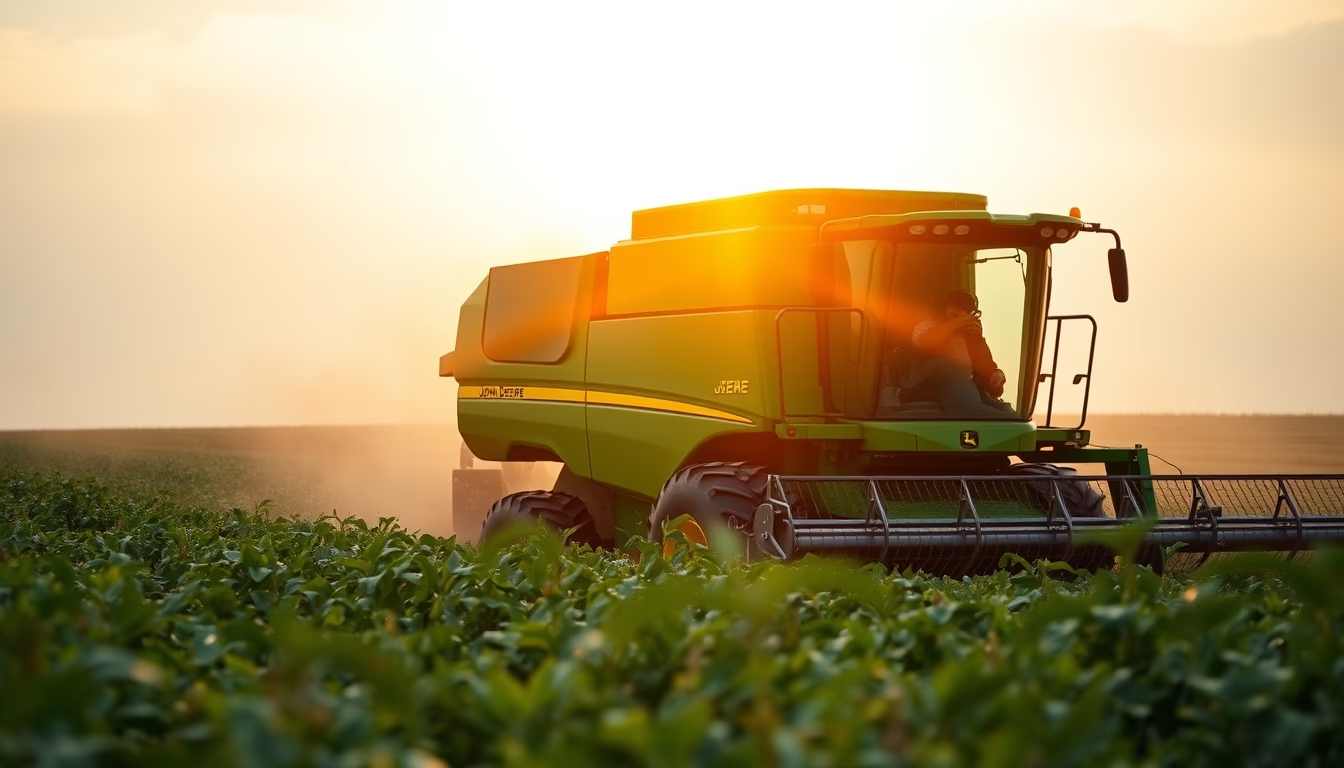
Colheita mecanizada de soja em campo maduro com colheitadeira John Deere durante o final de tarde.
Sobre o tema
A soja é o principal produto do agronegócio brasileiro, com o Brasil sendo o maior produtor e exportador mundial desde 2020, ultrapassando os Estados Unidos. Na safra 2022/2023, o país colheu cerca de 154 milhões de toneladas, cultivadas em aproximadamente 44 milhões de hectares, concentrados principalmente no Centro-Oeste (Mato Grosso, Goiás, Mato Grosso do Sul) e no Sul (Paraná, Rio Grande do Sul). A colheita mecanizada é crucial para a eficiência da produção, reduzindo perdas e garantindo rapidez na operação. A colheitadeira John Deere, modelo S790 ou similar, é amplamente utilizada por sua capacidade de processar até 60 toneladas por hora, dependendo das condições da lavoura. O horário do final de tarde, conhecido como golden hour, é estratégico para a colheita, pois a luz solar mais baixa reduz o calor excessivo sobre as máquinas e os operadores, além de proporcionar melhor visibilidade para o corte rente ao solo. A soja brasileira é majoritariamente transgênica, resistente a herbicidas, e o ciclo de cultivo varia de 100 a 150 dias. A colheita ocorre entre janeiro e maio no Centro-Oeste, e entre fevereiro e junho no Sul. O processo envolve o corte da planta, a trilha para separar os grãos das vagens e a limpeza, com os grãos sendo armazenados no tanque graneleiro da máquina. A palha e os restos vegetais são devolvidos ao solo como cobertura morta, contribuindo para a sustentabilidade do sistema de plantio direto, adotado em mais de 80% da área de soja no Brasil.
Perguntas frequentes
Qual é a importância da soja para o Brasil?
A soja é o principal produto de exportação do Brasil, gerando divisas e empregos. O país é o maior produtor e exportador mundial, com a safra 2022/2023 ultrapassando 150 milhões de toneladas.
Por que a colheita é feita no final da tarde?
O final da tarde, ou golden hour, oferece luz solar mais baixa, reduzindo o calor para operadores e máquinas, além de melhorar a visibilidade para o corte rente ao solo, aumentando a eficiência.
Como funciona a colheitadeira John Deere na soja?
A colheitadeira corta a planta, trilha para separar os grãos das vagens e limpa o material. Os grãos são armazenados em um tanque interno, enquanto a palha é devolvida ao solo como cobertura.
URL direta
https://pub-c7d6a6ea828543ac903a74a341ccb2e1.r2.dev/imagens/soybean-field-with-green-john-deere-harvester-at-golden-hour-editorial-overcast-daytime-4.avifComo creditar
Inclua um link visível de volta pro UtilizAí. Copie um dos snippets abaixo:
<a href="https://xn--utiliza-eza.com/midia/imagens/soybean-field-with-green-john-deere-harvester-at-golden-hour-editorial-overcast-daytime-4">Lavoura de soja com colheitadeira John Deere no fim da tarde</a> by <a href="https://xn--utiliza-eza.com">UtilizAí</a>, licensed under <a href="https://creativecommons.org/licenses/by/4.0/">CC BY 4.0</a>.
[Lavoura de soja com colheitadeira John Deere no fim da tarde](https://xn--utiliza-eza.com/midia/imagens/soybean-field-with-green-john-deere-harvester-at-golden-hour-editorial-overcast-daytime-4) by [UtilizAí](https://xn--utiliza-eza.com), CC BY 4.0
Licença: CC-BY-4.0