Songkran water festival
1344×768 · AVIF · CC BY 4.0
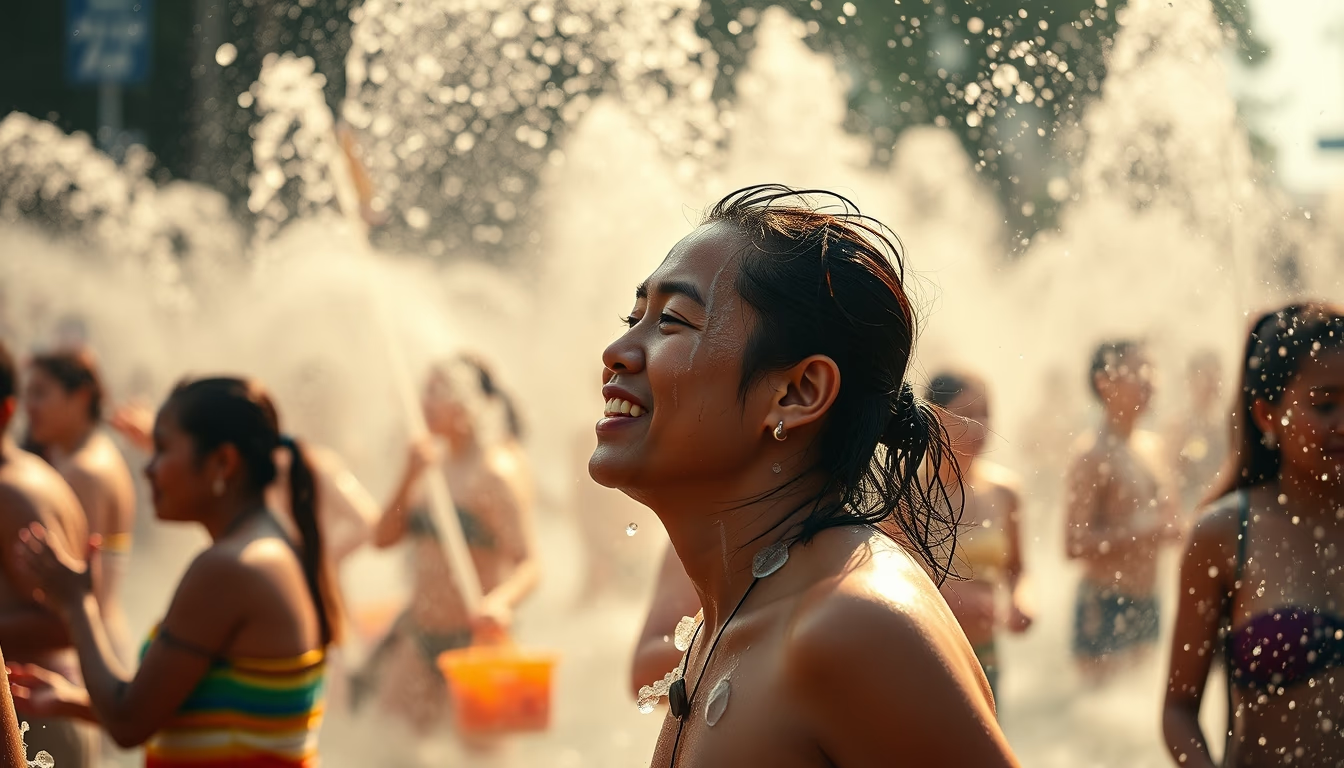
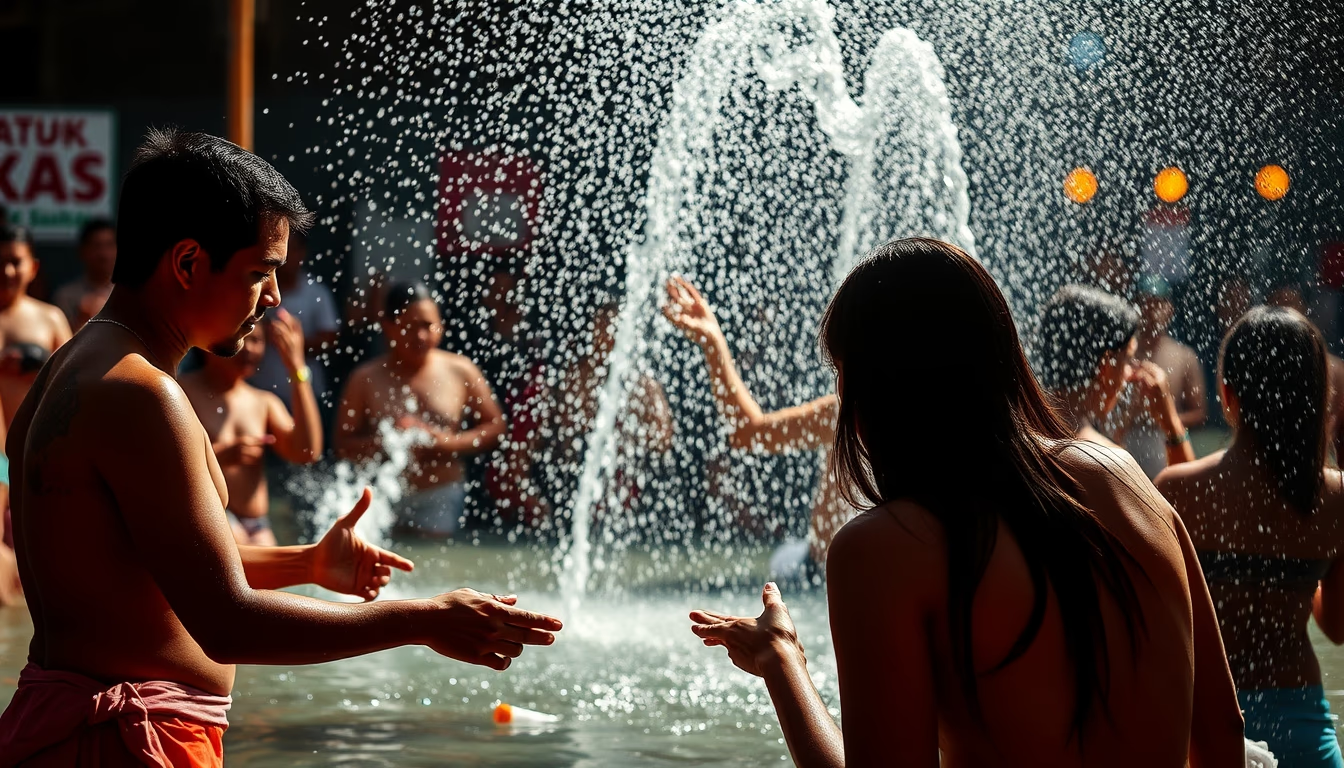
Songkran is the Thai New Year celebrated with water, symbolizing purification and cultural renewal across Southeast Asia.
About this subject
Songkran, the Thai New Year festival, is one of Southeast Asia's most iconic celebrations, taking place annually from April 13 to 15. Originally based on the astrological calendar, the event marks the sun's transition into Aries, symbolizing renewal and purification. The most well-known tradition is the bathing of Buddha images, where devotees pour scented water over sacred statues to honor teachings and seek blessings. This act evolved into the popular water throwing in the streets, representing the washing away of sins and bad luck from the previous year.
Beyond the spiritual aspect, Songkran is a time for strong family bonds. Many Thais travel to their hometowns to spend time with elders, showing respect by pouring water over their hands as a gesture of reverence. Communities also organize parades, beauty contests, and cultural performances. While the festival is most associated with Thailand, similar versions are celebrated in Laos (Pii Mai), Myanmar (Thingyan), and Cambodia (Chaul Chnam Thmey), with local variations in rituals.
Water, the central element, was historically collected in bowls and mixed with flower petals, then gently sprinkled. In recent decades, global popularity has turned the event into a lively battle of buckets, hoses, and water guns, especially in tourist hubs like Chiang Mai, Bangkok, and Phuket. Despite the playful nature, the festival retains its religious and cultural significance, recognized as intangible heritage by various organizations. In 2023, Thailand officially proposed its inclusion in the UNESCO list, highlighting the tradition's importance for national identity and cultural diplomacy.
Frequently Asked Questions
When is Songkran celebrated?
Songkran is celebrated annually from April 13 to 15 in Thailand and other Southeast Asian countries such as Laos, Myanmar, and Cambodia.
What is the origin of water throwing on Buddha statues?
The practice originates from the ritual of bathing Buddha images with scented water, symbolizing purification and spiritual renewal. Over time, water began to be thrown on people as well, representing the washing away of sins from the previous year.
What precautions should be taken when participating in Songkran?
It is recommended to wear light clothing, protect belongings with waterproof bags, and respect local rules such as avoiding water sprays on elders and monks. Also important to stay hydrated and use sunscreen.
Direct URL
https://pub-c7d6a6ea828543ac903a74a341ccb2e1.r2.dev/imagens/songkran-water-festival-magazine-editorial-fresh11.avifHow to credit
Include a visible link back to UtilizAí. Copy one of the snippets below:
<a href="https://xn--utiliza-eza.com/en/midia/imagens/songkran-water-festival-magazine-editorial-fresh11">Songkran water festival</a> by <a href="https://xn--utiliza-eza.com">UtilizAí</a>, licensed under <a href="https://creativecommons.org/licenses/by/4.0/">CC BY 4.0</a>.
[Songkran water festival](https://xn--utiliza-eza.com/en/midia/imagens/songkran-water-festival-magazine-editorial-fresh11) by [UtilizAí](https://xn--utiliza-eza.com), CC BY 4.0
License: CC-BY-4.0