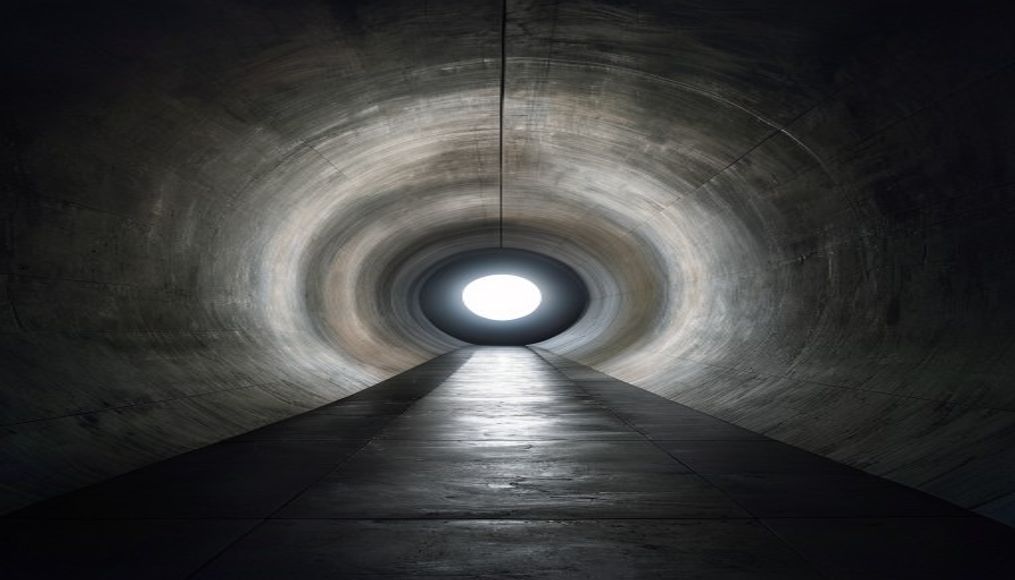
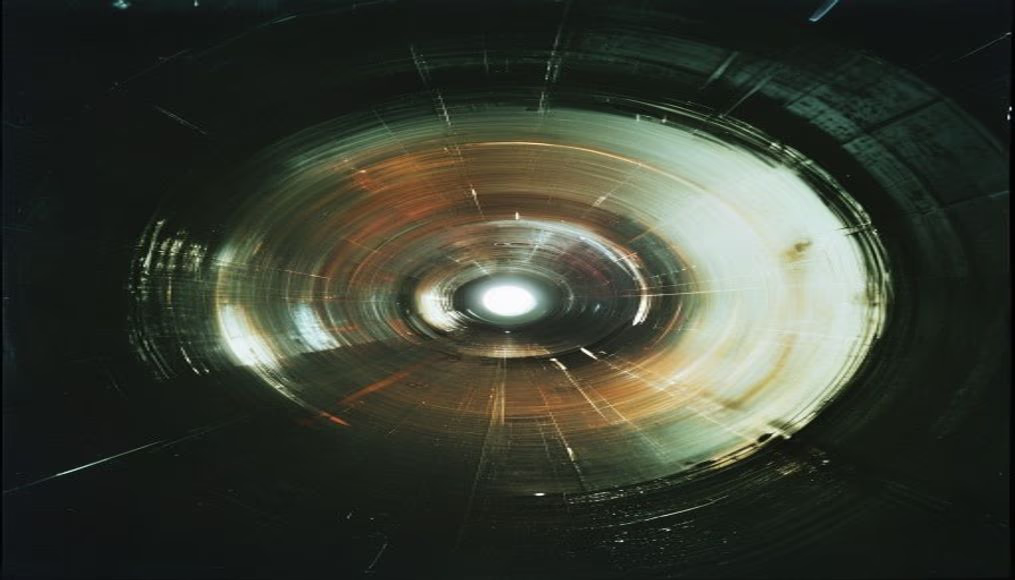
Solar wind cme
1344×768 · AVIF · CC BY 4.0

Coronal mass ejections (CMEs) are solar explosions that hurl billions of tons of plasma into space, potentially affecting satellites and power grids on Earth.
About this subject
Coronal mass ejections (CMEs) are among the most energetic phenomena in the Solar System. They occur when the Sun’s magnetic field abruptly reorganizes, hurling into space a cloud of plasma composed mainly of protons and electrons, at speeds ranging from 250 km/s to over 3000 km/s. A single CME can carry up to 10 billion tons of stellar material.
These events are constantly monitored by satellites such as SOHO (Solar and Heliospheric Observatory) and STEREO (Solar Terrestrial Relations Observatory). When a CME is Earth‑directed, it travels on average 1 to 3 days before reaching our planet. The interaction with Earth’s magnetosphere can trigger geomagnetic storms, responsible for intense auroras borealis and australis, but also for damage to communication satellites, GPS navigation systems, and even blackouts in high‑voltage power grids, as happened in Quebec in 1989.
Historically, the largest recorded CME was the Carrington Event of 1859, which caused auroras visible at tropical latitudes and sparks on telegraph lines. Today, agencies like NOAA and ESA maintain space weather alerts. CMEs are most frequent during solar maximum, an approximately 11‑year cycle. Understanding these phenomena is crucial to protecting modern technological infrastructure.
Frequently Asked Questions
What happens if a CME hits Earth?
When a CME strikes Earth, it interacts with the magnetic field and can trigger geomagnetic storms. Effects include intense auroras, interference with satellites and communication systems, and in extreme cases, power grid blackouts.
Are CMEs dangerous for astronauts?
Yes, especially for those outside Earth’s magnetic shield, such as on the International Space Station (ISS) or on lunar and Martian missions. The energetic particles from CMEs can increase radiation exposure risks.
How often do CMEs occur?
Frequency varies with the 11‑year solar cycle. During solar maximum, several CMEs per day can occur; at solar minimum, about one per week. Most are not Earth‑directed.
Direct URL
https://pub-c7d6a6ea828543ac903a74a341ccb2e1.r2.dev/imagens/solar-wind-cme-travel-photography-p1.avifHow to credit
Include a visible link back to UtilizAí. Copy one of the snippets below:
<a href="https://xn--utiliza-eza.com/en/midia/imagens/solar-wind-cme-travel-photography-p1">Solar wind cme</a> by <a href="https://xn--utiliza-eza.com">UtilizAí</a>, licensed under <a href="https://creativecommons.org/licenses/by/4.0/">CC BY 4.0</a>.
[Solar wind cme](https://xn--utiliza-eza.com/en/midia/imagens/solar-wind-cme-travel-photography-p1) by [UtilizAí](https://xn--utiliza-eza.com), CC BY 4.0
License: CC-BY-4.0