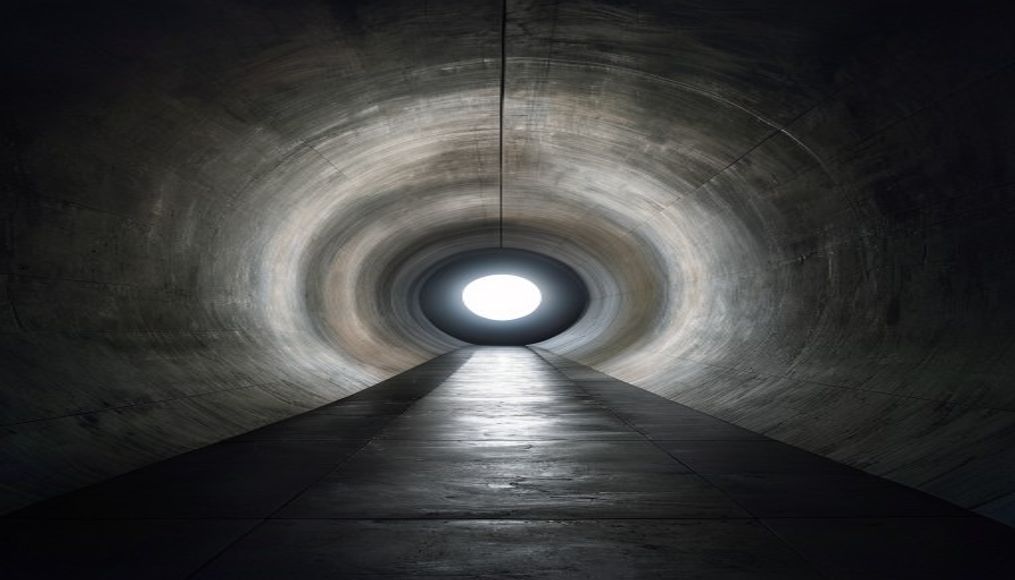
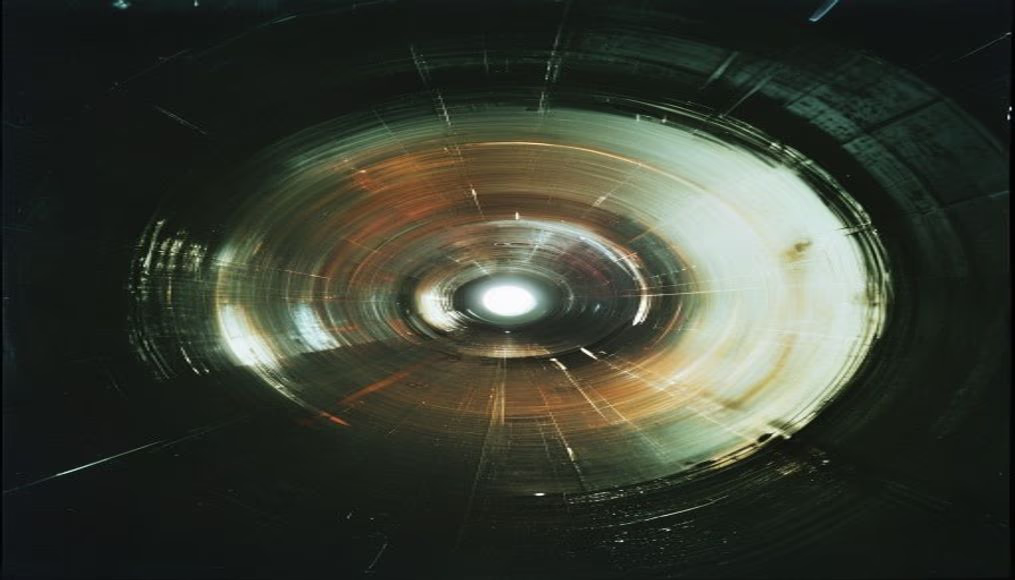
Solar wind cme
1344×768 · AVIF · CC BY 4.0

A coronal mass ejection (CME) is a massive release of plasma and magnetic field from the Sun, which can affect space weather and Earth.
About this subject
Coronal mass ejections, or CMEs, are solar phenomena involving the release of huge amounts of plasma and magnetic fields from the Sun's corona into interplanetary space. These eruptions can occur several times a day during solar maximum and are often associated with solar flares and eruptive filaments. The speed of a CME can range from 250 km/s to over 3,000 km/s, with the fastest reaching Earth in just 15 to 18 hours.
When a CME is Earth-directed, it can interact with Earth's magnetosphere, causing geomagnetic storms. These storms can produce intense auroras, disrupt radio communications, damage satellites, and in extreme cases, affect power grids. The Carrington Event of 1859 is the most famous example: a CME so powerful that auroras were visible at tropical latitudes and telegraph systems caught fire. Today, satellites like SOHO and DSCOVR constantly monitor the Sun to predict such events.
CMEs also play an important role in space exploration. Missions like NASA's Parker Solar Probe study these eruptions up close to understand their acceleration and evolution mechanisms. Despite the risks, CMEs are fascinating because they reveal the Sun's magnetic activity and help protect critical technologies on Earth and in space.
Frequently Asked Questions
What is the difference between a coronal mass ejection and a solar flare?
A solar flare is an explosion of electromagnetic radiation, while a CME is the release of matter (plasma and magnetic fields). They often occur together, but not every flare produces a CME and vice versa.
How do CMEs affect life on Earth?
CMEs can cause geomagnetic storms that disrupt radio communications, GPS navigation, and power grids. They also intensify the aurora borealis and australis, but pose no direct danger to people on the surface.
Can we predict when a CME will hit Earth?
Yes, satellites like SOHO and DSCOVR monitor the Sun and detect CMEs. Based on speed and direction, scientists can forecast arrival with 1 to 3 days notice, allowing satellite and power grid operators to prepare.
Direct URL
https://pub-c7d6a6ea828543ac903a74a341ccb2e1.r2.dev/imagens/solar-wind-cme-studio-still-life-p7.avifHow to credit
Include a visible link back to UtilizAí. Copy one of the snippets below:
<a href="https://xn--utiliza-eza.com/en/midia/imagens/solar-wind-cme-studio-still-life-p7">Solar wind cme</a> by <a href="https://xn--utiliza-eza.com">UtilizAí</a>, licensed under <a href="https://creativecommons.org/licenses/by/4.0/">CC BY 4.0</a>.
[Solar wind cme](https://xn--utiliza-eza.com/en/midia/imagens/solar-wind-cme-studio-still-life-p7) by [UtilizAí](https://xn--utiliza-eza.com), CC BY 4.0
License: CC-BY-4.0