Soap making organic
1344×768 · AVIF · CC BY 4.0
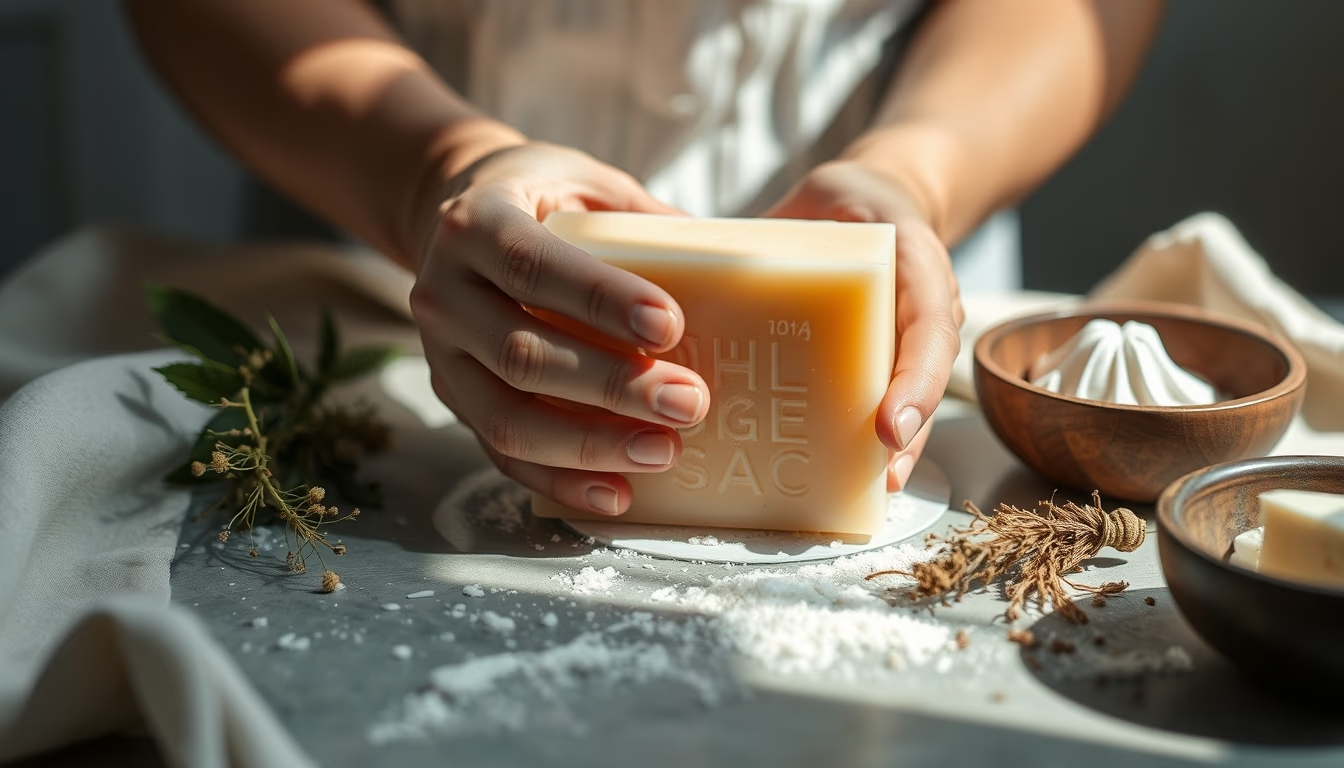
Handcrafted organic soap making combines vegetable oils, lye, and natural ingredients to create sustainable products free from synthetic chemicals.
About this subject
Organic soap making is a traditional craft that has seen a resurgence as consumers seek natural alternatives to commercial products. The process, called saponification, combines fats or oils with an alkali (usually sodium hydroxide) to produce soap and glycerin. Organic soaps use certified organic oils such as olive, coconut, and palm, and eliminate synthetic additives.
Unlike mass-produced soaps, organic versions retain naturally occurring glycerin, which moisturizes and protects the skin. Artisans incorporate botanicals, essential oils, clays, and herbs for fragrance and visual appeal. The cold-process method preserves the integrity of heat-sensitive ingredients. A curing period of several weeks develops a milder, longer-lasting bar.
Soap making has ancient origins, but organic certification is modern. In Brazil, the practice supports sustainable livelihoods, with small producers using regional oils like buriti and andiroba. This aligns with the growing demand for eco-friendly and zero-waste products.
Precision is key: measuring lye accurately and understanding each oil's saponification value ensures safety and quality. Beginners often start with simple formulations. Organic soap making reduces plastic waste and reliance on synthetic chemicals.
Frequently Asked Questions
What is the difference between organic soap and regular soap?
Organic soap uses certified organic ingredients free from synthetic pesticides, preservatives, and dyes. It retains natural glycerin, which moisturizes skin, whereas commercial soaps often remove glycerin.
Is making organic soap at home difficult?
With basic equipment (gloves, goggles, scale) and careful adherence to tested recipes, it is doable. Safety with lye is paramount, but the process is rewarding for beginners.
Which oils are commonly used in organic soap making?
Olive, coconut, sustainable palm, castor, and palm kernel oils are typical. Each contributes characteristics like lather, hardness, and moisturizing.
Direct URL
https://pub-c7d6a6ea828543ac903a74a341ccb2e1.r2.dev/imagens/soap-making-organic-magazine-editorial-p4.avifHow to credit
Include a visible link back to UtilizAí. Copy one of the snippets below:
<a href="https://xn--utiliza-eza.com/en/midia/imagens/soap-making-organic-magazine-editorial-p4">Soap making organic</a> by <a href="https://xn--utiliza-eza.com">UtilizAí</a>, licensed under <a href="https://creativecommons.org/licenses/by/4.0/">CC BY 4.0</a>.
[Soap making organic](https://xn--utiliza-eza.com/en/midia/imagens/soap-making-organic-magazine-editorial-p4) by [UtilizAí](https://xn--utiliza-eza.com), CC BY 4.0
License: CC-BY-4.0