Soap making organic
1344×768 · AVIF · CC BY 4.0
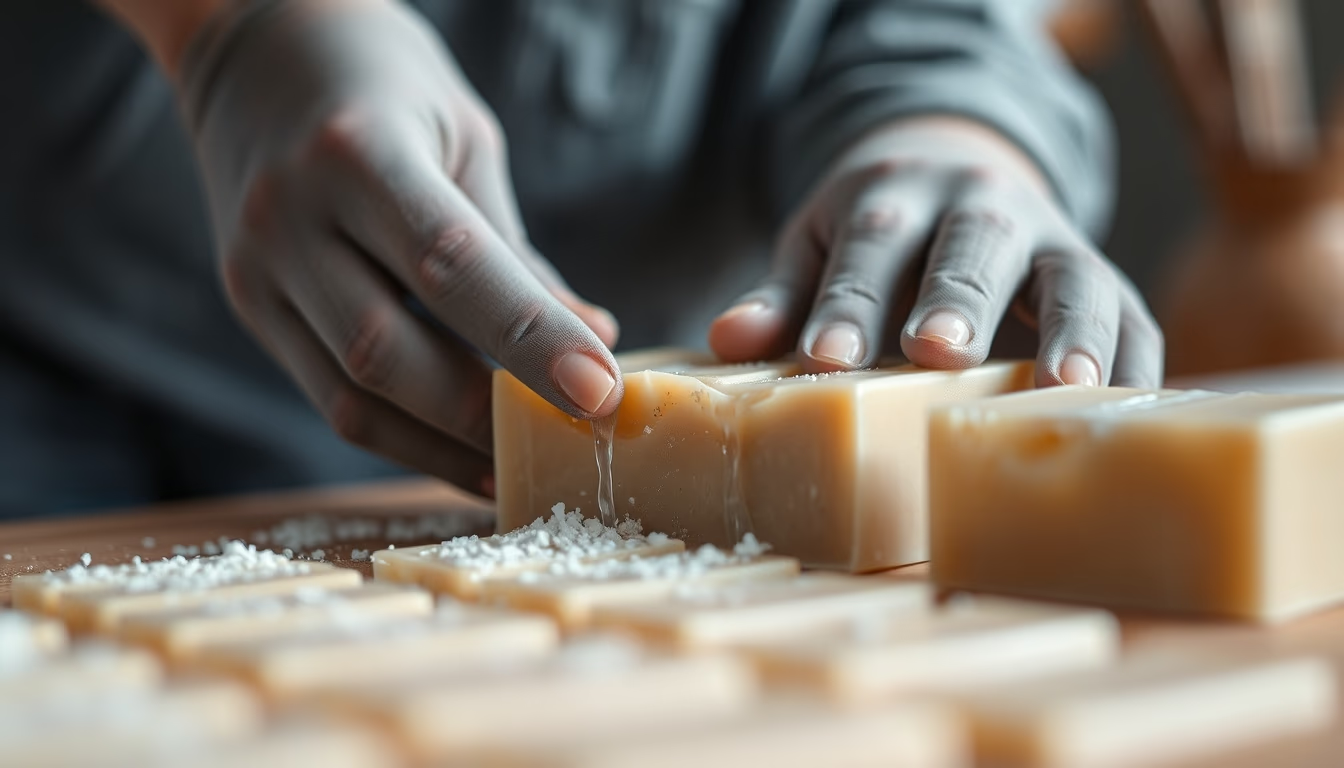
The artisanal process of organic soap making combines vegetable oils and lye in a saponification reaction, yielding a biodegradable and skin-friendly product.
About this subject
Organic soap is made from natural ingredients such as olive oil, coconut oil, shea butter, and essential oils, free from synthetic additives. The core technique is cold-process saponification, which preserves the oils' properties. In this method, sodium hydroxide (lye) chemically reacts with oils, turning into soap and glycerin. Unlike industrial soaps that remove glycerin for other uses, artisanal organic soap retains it, providing moisturization.
The choice of oils defines the final characteristics: olive oil yields a mild soap with creamy lather; coconut oil boosts cleansing and hardness; shea butter adds emollience. Essential oils like lavender, tea tree, or orange impart natural scents and therapeutic benefits. The lye concentration must be precisely calculated to ensure no excess alkali remains, making the soap safe for use.
Historically, homemade soap making was common in rural Brazilian communities, using animal tallow and ashes. Today, the organic movement values production free from petrochemicals, synthetic dyes, and fragrances. Organic soap is biodegradable and does not harm aquatic ecosystems, making it a preferred choice for eco-conscious consumers. Additionally, small-scale artisan producers strengthen local economies and offer seasonal recipe variety.
Fun fact: the curing time for artisanal soap ranges from 4 to 6 weeks, during which water evaporates and the bar hardens, ensuring greater durability and mildness. pH testing can confirm safety: ideal values fall between 9 and 10. Natural coloring can come from spices like turmeric, beetroot powder, or clays.
Frequently Asked Questions
What are the basic ingredients for making organic soap at home?
The basic ingredients are vegetable oils (olive, coconut, sustainable palm), sodium hydroxide (lye), and water. Optional items include essential oils for fragrance and natural colorants like clays or spices.
Is organic soap better for the skin than commercial soap?
Yes, because it retains natural glycerin that moisturizes the skin. It also lacks sulfates, parabens, and synthetic fragrances that can cause irritation, making it especially suitable for sensitive skin.
How long does it take to make artisanal organic soap?
The active process takes about 1 to 2 hours. After production, the soap needs to cure for 4 to 6 weeks in a well-ventilated area to harden and become mild enough for use.
Direct URL
https://pub-c7d6a6ea828543ac903a74a341ccb2e1.r2.dev/imagens/soap-making-organic-macro-closeup-p1.avifHow to credit
Include a visible link back to UtilizAí. Copy one of the snippets below:
<a href="https://xn--utiliza-eza.com/en/midia/imagens/soap-making-organic-macro-closeup-p1">Soap making organic</a> by <a href="https://xn--utiliza-eza.com">UtilizAí</a>, licensed under <a href="https://creativecommons.org/licenses/by/4.0/">CC BY 4.0</a>.
[Soap making organic](https://xn--utiliza-eza.com/en/midia/imagens/soap-making-organic-macro-closeup-p1) by [UtilizAí](https://xn--utiliza-eza.com), CC BY 4.0
License: CC-BY-4.0