Soap making organic
1344×768 · AVIF · CC BY 4.0
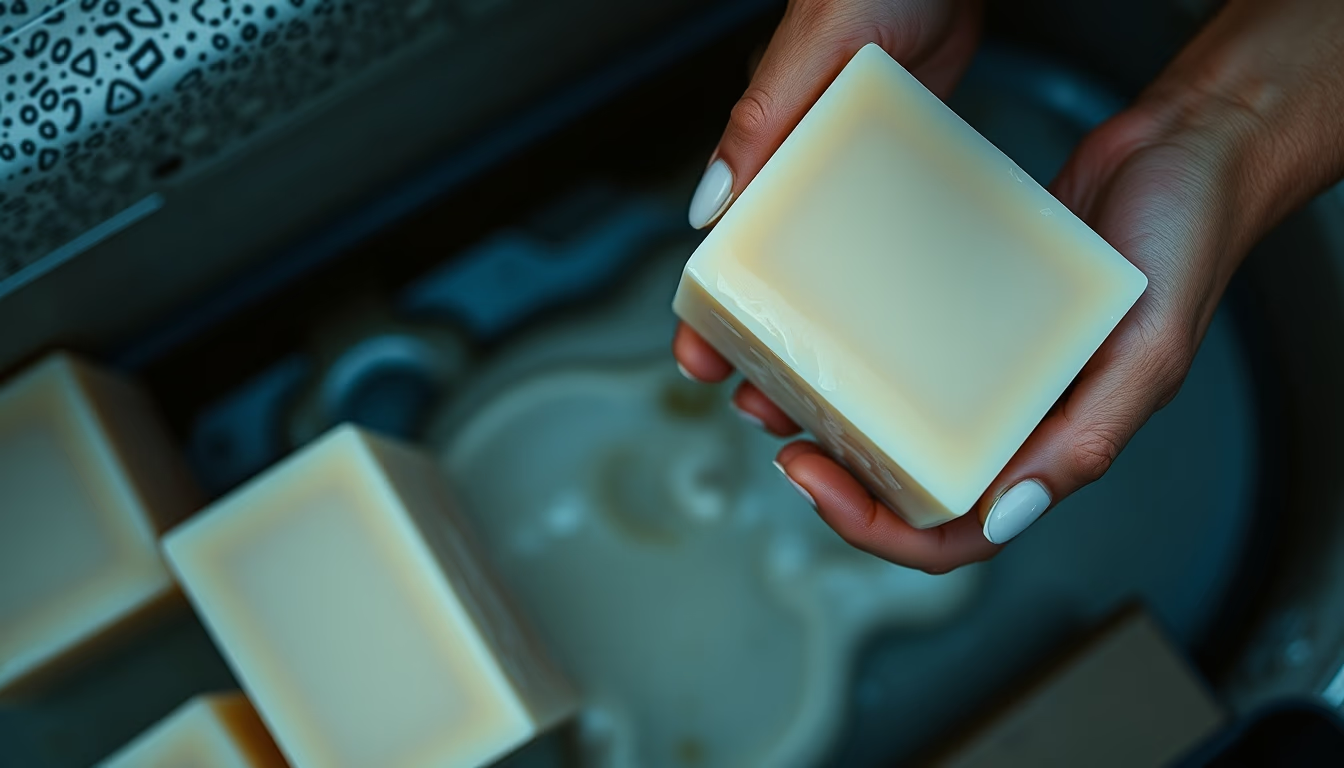
Organic soap making artfully blends plant oils and lye in a controlled chemical process, yielding biodegradable products free from synthetic additives.
About this subject
Organic soap is made from cold-pressed vegetable oils such as olive, coconut, sustainable palm, shea butter or cocoa butter, combined with lye (sodium hydroxide) through a chemical reaction called saponification. Unlike mass-produced commercial soaps that often rely on petroleum-derived surfactants, preservatives and synthetic fragrances, organic soap retains the natural glycerin formed during the reaction, which adds extra moisture to the skin.
The modern craft of soapmaking has surged in the slow living and do-it-yourself movements, especially among communities aiming to reduce plastic waste and harsh chemicals. Soap can be produced via the cold process, which preserves oil properties, or the hot process, which speeds up curing. Both require careful handling of lye, but the result is a biodegradable product customizable with herbs, clays, certified essential oils and natural colorants like annatto or spirulina.
Historically, soap dates back millennia, but organic certification gained traction in the 1990s with standards like USDA Organic and Ecocert. In Brazil, ANVISA regulates production, but many small-scale artisans sell directly at farmers' markets and natural stores. Demand has been growing about 15% per year, driven by conscious consumers seeking traceable ingredients, recycled or returnable packaging, and lower environmental impact.
A good organic soap needs a curing period of 4 to 6 weeks so the pH balances and glycerin stabilizes, ensuring a creamy lather and gentle cleansing. The choice of oils determines hardness, lather and moisturizing properties: coconut oil boosts foam, while olive oil yields a softer, more emollient bar.
Frequently Asked Questions
What is organic soap?
Organic soap is made with certified natural ingredients, mainly plant oils, and no synthetic additives like artificial fragrances, preservatives or chemical dyes. It retains natural glycerin, making it more moisturizing than commercial soaps.
How to make organic soap at home?
The most common method is cold process: mix lye (sodium hydroxide) with distilled water, then add vegetable oils at controlled temperature. Stir until 'trace', pour into molds and let cure for 4 to 6 weeks. Protective gear is essential.
Is organic soap good for your skin?
Yes, for most people. Free from harsh detergents, organic soap cleans without stripping the skin's natural oils. The glycerin and plant oils help retain moisture, making it suitable for sensitive or dry skin.
Direct URL
https://pub-c7d6a6ea828543ac903a74a341ccb2e1.r2.dev/imagens/soap-making-organic-aerial-drone-shot-p0.avifHow to credit
Include a visible link back to UtilizAí. Copy one of the snippets below:
<a href="https://xn--utiliza-eza.com/en/midia/imagens/soap-making-organic-aerial-drone-shot-p0">Soap making organic</a> by <a href="https://xn--utiliza-eza.com">UtilizAí</a>, licensed under <a href="https://creativecommons.org/licenses/by/4.0/">CC BY 4.0</a>.
[Soap making organic](https://xn--utiliza-eza.com/en/midia/imagens/soap-making-organic-aerial-drone-shot-p0) by [UtilizAí](https://xn--utiliza-eza.com), CC BY 4.0
License: CC-BY-4.0