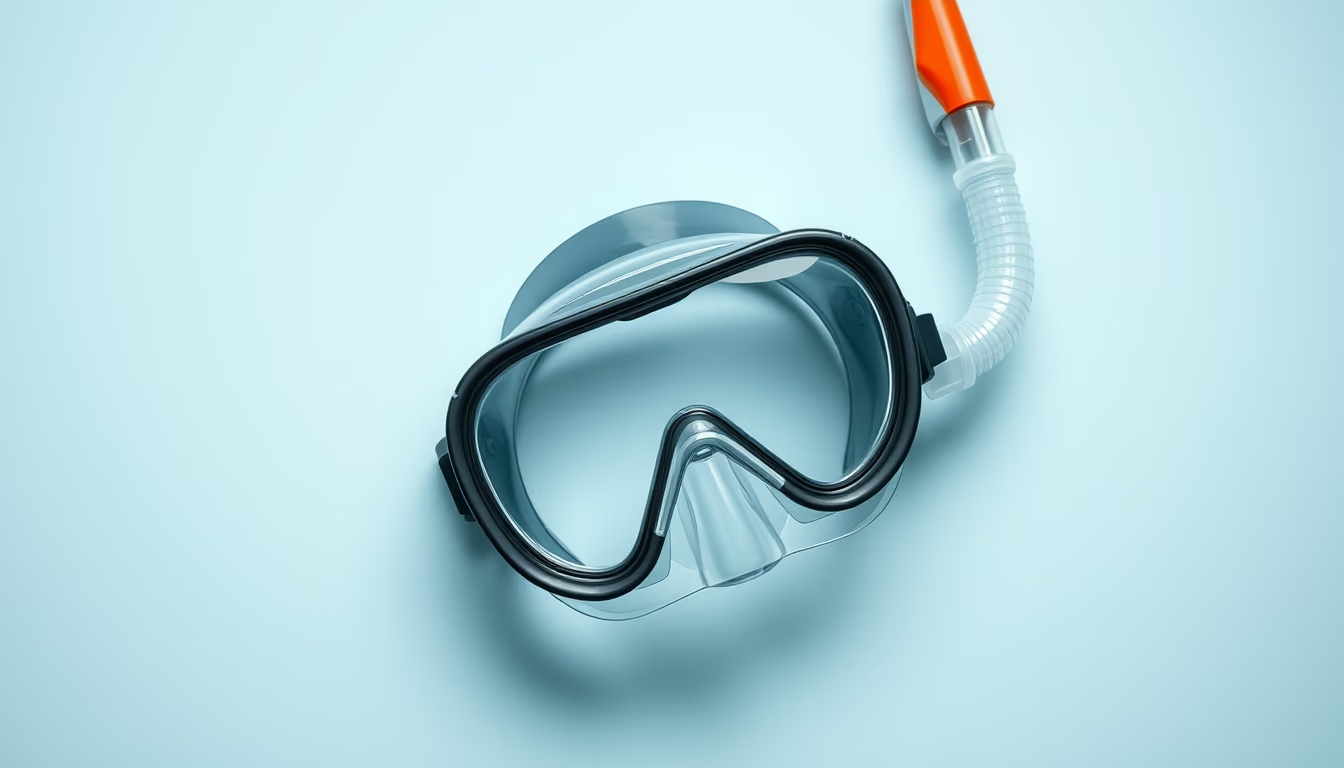
Snorkel mask glass
1344×768 · AVIF · CC BY 4.0

Tempered glass in snorkel masks balances safety and optical clarity for recreational diving. Learn about its manufacturing, care, and advantages.
About this subject
Snorkel masks typically feature tempered glass lenses, prized for their impact resistance and safety: when broken, they shatter into small, relatively harmless pieces. Unlike standard glass, tempering involves thermal treatment that increases strength up to fivefold, a mandatory safety standard in dive equipment since recreational scuba diving boomed in the 1940s. Tempered glass replaced laminated glass due to its better weight-to-strength ratio without sacrificing underwater visibility. An alternative material, polycarbonate, is lighter and more impact-resistant but prone to scratches and fogging from microscopic abrasions, so most manufacturers stick with tempered glass, often adding an anti-fog coating on the inner surface. Care tips include avoiding abrasive cleaners or extreme temperatures that could compromise the tempering process. Once tempered, the glass cannot be cut or drilled, so the shape must be finalized before treatment. For users, proper maintenance extends gear life: rinse with fresh water after each use, dry in the shade, and store in a ventilated area. Tempered glass is also used in car windows and appliances, but in diving, its clarity and durability are essential for an unobstructed view of the underwater world. Curiously, the first mass-produced tempered glass dive masks appeared in the 1950s from companies like U.S. Divers, revolutionizing snorkeling safety.
Frequently Asked Questions
How to clean snorkel mask glass without damaging it?
Rinse with fresh water and wipe with a soft cloth; avoid abrasive cleaners or rough sponges. For silicone residue, use mild soap occasionally.
What is the difference between tempered glass and polycarbonate in masks?
Tempered glass is scratch-resistant and won't fog from micro-scratches, but is heavier and can shatter on strong impact. Polycarbonate is lightweight and shatterproof, but scratches easily, reducing clarity.
What to do if the mask fogs up during a dive?
Before diving, apply a commercial anti-fog solution or a drop of baby shampoo, spread and rinse. If fogged underwater, rinse with fresh water or use the traditional saliva method.
Direct URL
https://pub-c7d6a6ea828543ac903a74a341ccb2e1.r2.dev/imagens/snorkel-mask-glass-studio-editorial-portrait-fresh4.avifHow to credit
Include a visible link back to UtilizAí. Copy one of the snippets below:
<a href="https://xn--utiliza-eza.com/en/midia/imagens/snorkel-mask-glass-studio-editorial-portrait-fresh4">Snorkel mask glass</a> by <a href="https://xn--utiliza-eza.com">UtilizAí</a>, licensed under <a href="https://creativecommons.org/licenses/by/4.0/">CC BY 4.0</a>.
[Snorkel mask glass](https://xn--utiliza-eza.com/en/midia/imagens/snorkel-mask-glass-studio-editorial-portrait-fresh4) by [UtilizAí](https://xn--utiliza-eza.com), CC BY 4.0
License: CC-BY-4.0