Snorkel mask glass
1344×768 · AVIF · CC BY 4.0
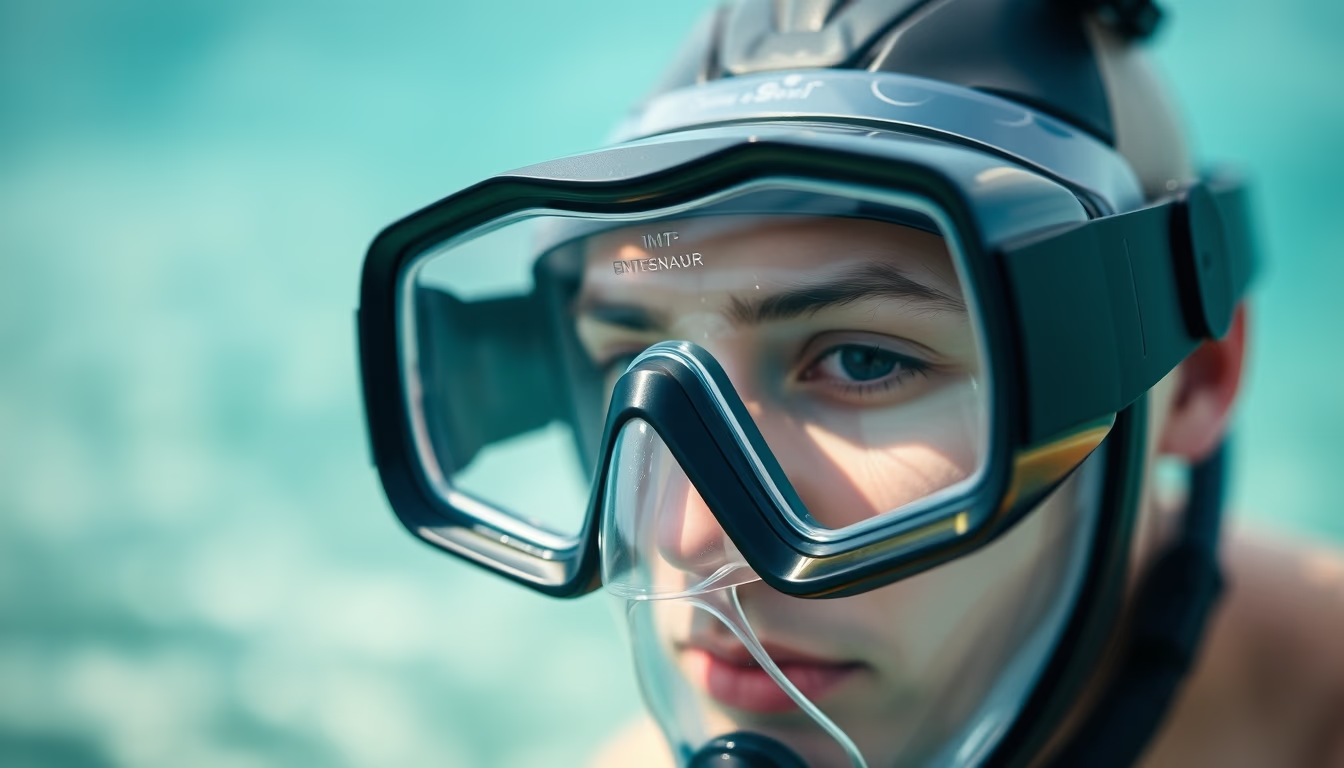
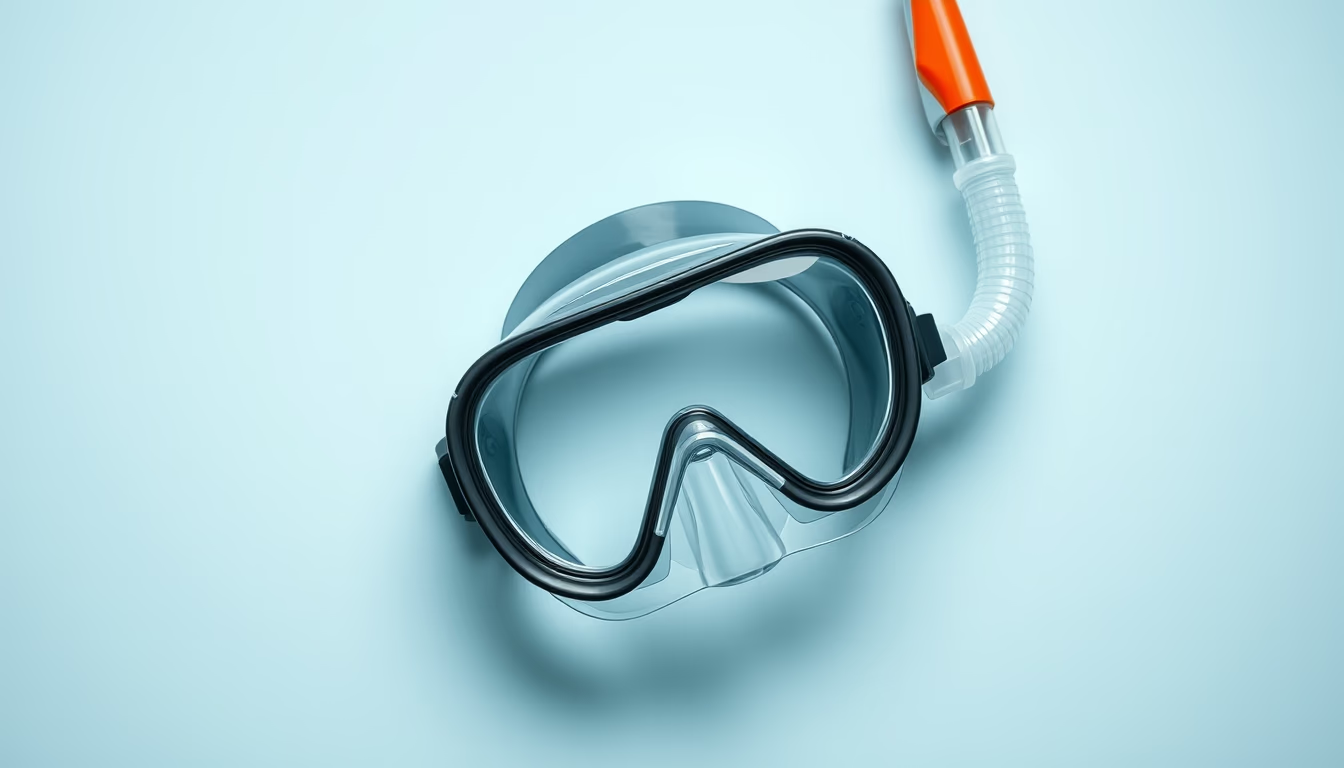
The snorkel mask glass is crucial for underwater visibility, made of tempered glass or polycarbonate for durability and clarity.
About this subject
The snorkel mask glass, or lens, is the component that allows clear vision underwater. Most modern masks use tempered glass, a heat-treated material that, if broken, shatters into small, less sharp pieces, enhancing diver safety. Alternatively, some budget masks employ polycarbonate, a impact-resistant plastic, but more prone to scratches and fogging.
Optical clarity of the glass is influenced by anti-fog coatings and UV protection. Many manufacturers apply a special layer on the inner surface to reduce fogging, while the outer surface may have filters that block ultraviolet rays, protecting eyes in shallow, sunny waters. Glass thickness varies by model, typically between 2 and 4 millimeters, balancing weight and robustness.
Maintenance of the mask glass is crucial to prolong its lifespan. Avoid abrasive cleaners or rough cloths that could scratch the surface. Cleaning with fresh water and mild soap, followed by thorough rinsing, suffices to remove salt and residues. Never touch the inside of the glass with fingers, as natural skin oils accelerate fogging during use. For storage, use a protective cover or hard case.
Interestingly, snorkel mask glass has evolved significantly in recent decades. Older models used regular glass, which could shatter dangerously. From the 1970s onward, tempered glass became industry standard and is now required by safety regulations for diving equipment. Additionally, glass shape varies: flat lenses are common in simple snorkel masks, while curved or specially angled lenses appear in advanced models to expand the field of vision.
Frequently Asked Questions
How should I clean my snorkel mask glass without damaging it?
Use fresh water and mild soap, applying with fingers or a soft cloth. Rinse thoroughly and let it air dry. Avoid harsh chemicals and abrasive cloths to prevent scratches.
What is the difference between tempered glass and polycarbonate in snorkel masks?
Tempered glass is more scratch-resistant and, if broken, shatters into small, less harmful pieces. Polycarbonate is lighter and more impact-resistant but scratches easily and fogs more.
How can I prevent my snorkel mask glass from fogging up?
Before use, apply a commercial anti-fog solution or spit into the lens, spread it, and rinse lightly. Avoid touching the glass with oily fingers. Masks with an anti-fog coating require less maintenance.
Direct URL
https://pub-c7d6a6ea828543ac903a74a341ccb2e1.r2.dev/imagens/snorkel-mask-glass-macro-closeup-fresh6.avifHow to credit
Include a visible link back to UtilizAí. Copy one of the snippets below:
<a href="https://xn--utiliza-eza.com/en/midia/imagens/snorkel-mask-glass-macro-closeup-fresh6">Snorkel mask glass</a> by <a href="https://xn--utiliza-eza.com">UtilizAí</a>, licensed under <a href="https://creativecommons.org/licenses/by/4.0/">CC BY 4.0</a>.
[Snorkel mask glass](https://xn--utiliza-eza.com/en/midia/imagens/snorkel-mask-glass-macro-closeup-fresh6) by [UtilizAí](https://xn--utiliza-eza.com), CC BY 4.0
License: CC-BY-4.0