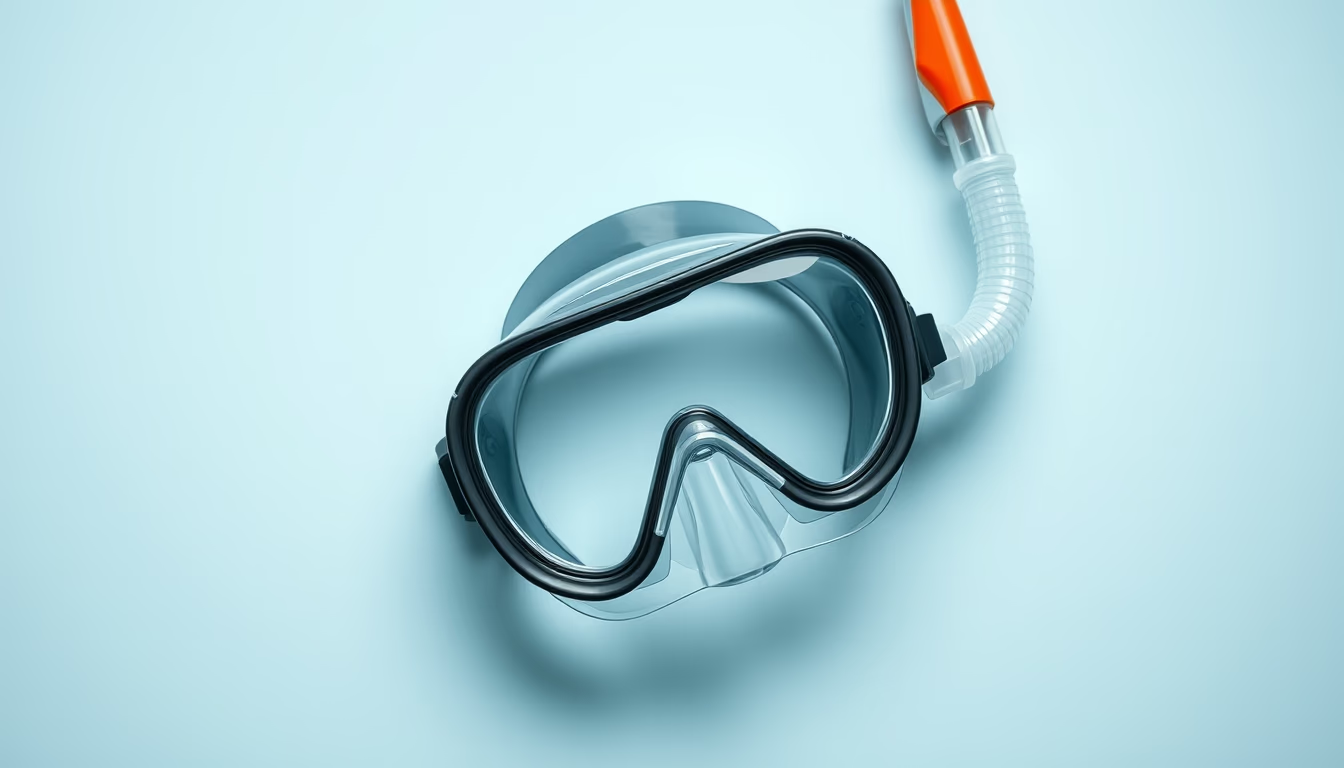
Snorkel mask glass
1344×768 · AVIF · CC BY 4.0
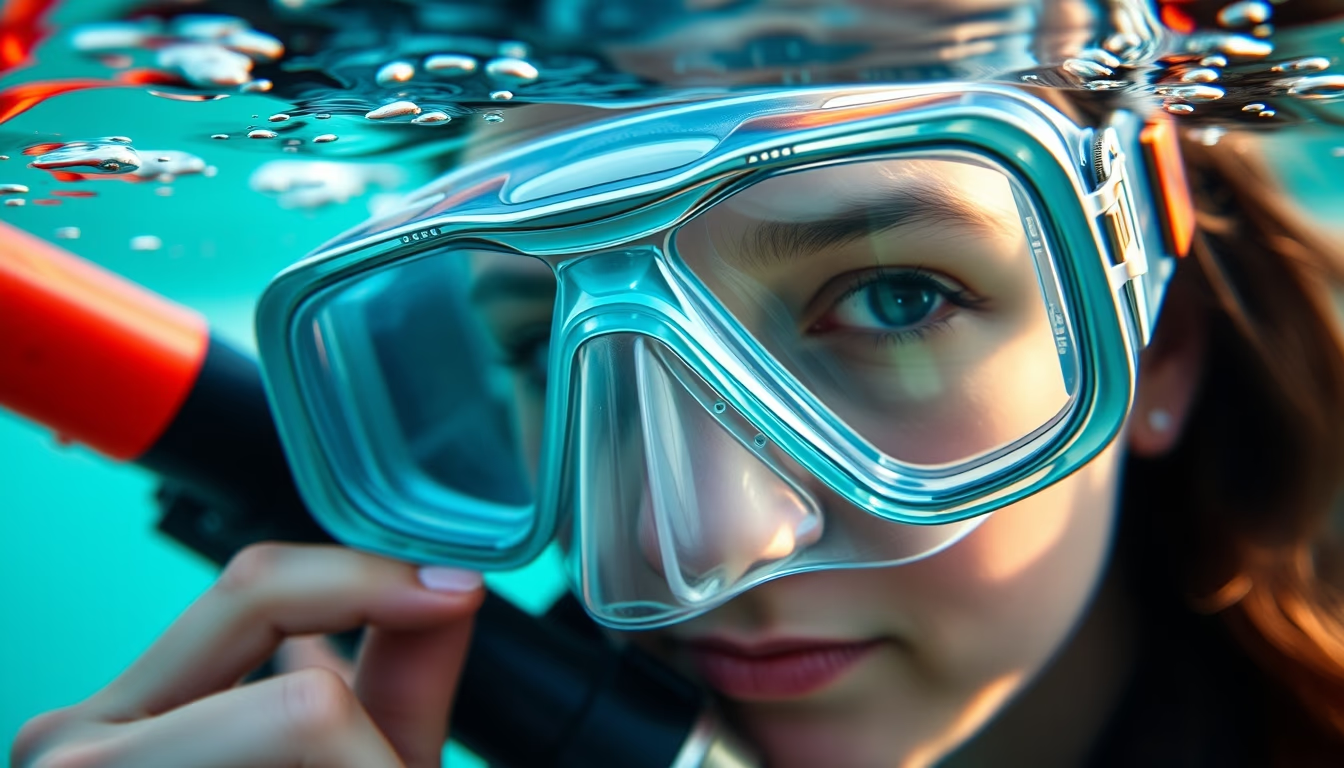
Snorkel mask glass has evolved from simple lenses to tempered glass and polycarbonate, ensuring safety and underwater visibility.
About this subject
The glass used in snorkel masks is a critical component for the underwater experience. Originally, early 20th century masks used common glass, which could easily break under pressure or impact. From the 1950s, with the rise of recreational diving, manufacturers like US Divers (now Aqua Lung) introduced tempered glass, which is heat-treated to be up to five times stronger than ordinary glass. This material not only reduces the risk of shattering but also better withstands pressure variations during descent.
Today, most quality snorkel masks use tempered glass 2 to 3 mm thick. Some lighter, impact-resistant options use polycarbonate, but this material tends to scratch more easily and may fog more frequently. The choice between glass and polycarbonate depends on use: technical divers prefer glass for its optical clarity, while casual snorkelers may opt for polycarbonate for reduced weight.
An important aspect is anti-fog treatment. Many manufacturers apply a coating or recommend toothpaste to prepare the glass before first use, removing manufacturing residues. The air gap between double lenses, present in modern masks, also helps reduce fogging by insulating the inner glass from external temperature.
In Brazil, snorkel mask use is popular in destinations like Fernando de Noronha, Bonito, and Arraial do Cabo, where clear visibility is essential to appreciate marine life. INMETRO regulations require tempered glass to meet safety standards, ensuring that products sold in the country withstand pressures up to 10 meters depth.
Frequently Asked Questions
What is the difference between tempered glass and polycarbonate in snorkel masks?
Tempered glass is more scratch-resistant and offers better optical clarity, but is heavier. Polycarbonate is lighter and impact-resistant, but scratches easily and may fog more. Technical divers prefer glass; casual snorkelers may choose polycarbonate.
How to prevent snorkel mask glass from fogging?
Before first use, clean the glass with non-abrasive toothpaste to remove factory residues. During diving, spit on the glass and rinse quickly, or use commercial anti-fog products. Masks with double lenses reduce fogging.
Can snorkel mask glass break while diving?
Tempered glass is designed to withstand pressures up to 10 meters in INMETRO-certified masks. Breakage is rare but can occur with strong impact or manufacturing defects. Always inspect the glass before use.
Direct URL
https://pub-c7d6a6ea828543ac903a74a341ccb2e1.r2.dev/imagens/snorkel-mask-glass-documentary-photography-fresh2.avifHow to credit
Include a visible link back to UtilizAí. Copy one of the snippets below:
<a href="https://xn--utiliza-eza.com/en/midia/imagens/snorkel-mask-glass-documentary-photography-fresh2">Snorkel mask glass</a> by <a href="https://xn--utiliza-eza.com">UtilizAí</a>, licensed under <a href="https://creativecommons.org/licenses/by/4.0/">CC BY 4.0</a>.
[Snorkel mask glass](https://xn--utiliza-eza.com/en/midia/imagens/snorkel-mask-glass-documentary-photography-fresh2) by [UtilizAí](https://xn--utiliza-eza.com), CC BY 4.0
License: CC-BY-4.0