Smart thermostat on wall
1344×768 · AVIF · CC BY 4.0
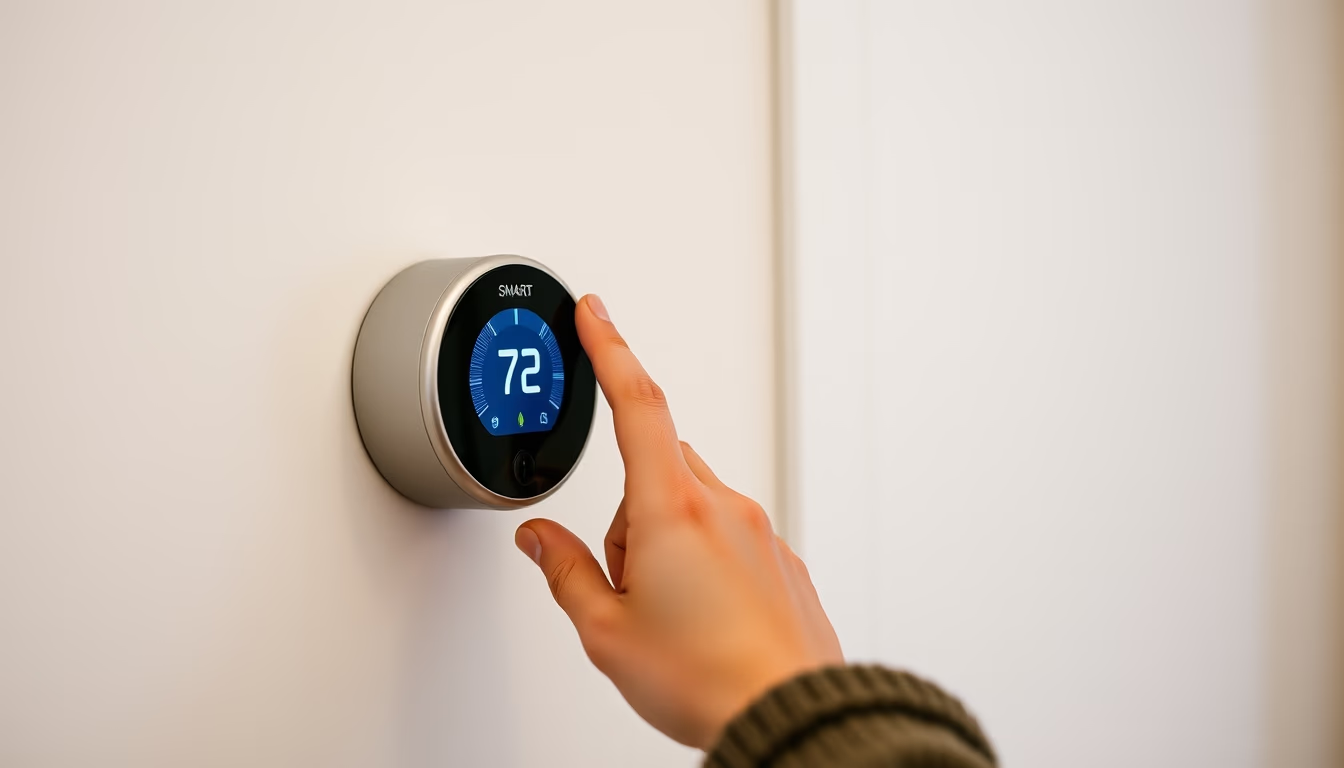
Smart thermostats automatically adjust temperature, saving energy and providing comfort in homes worldwide, including Brazil.
About this subject
Smart thermostats are internet-connected devices that automate heating, ventilation, and air conditioning (HVAC) systems. They learn residents' routines, adjusting temperature based on occupancy, time of day, and preferences. For instance, they can reduce cooling while the house is empty and restore comfort before occupants return, using sensors and AI algorithms.
According to the U.S. Department of Energy, proper use of a programmable thermostat can save 10% to 12% on heating and cooling costs. In Brazil, where air conditioning is a major electricity expense, especially in the Southeast and Northeast regions, adoption remains low due to higher upfront costs compared to traditional thermostats. However, with the expansion of 5G and the popularity of voice assistants like Alexa and Google Assistant, growth is expected.
Installing a smart thermostat requires compatibility with the existing HVAC system. Most modern models work with standard split systems and central units, but a common wire (C-wire) is often needed for continuous power. The interface typically includes a touchscreen and a mobile app for remote control and energy reports. Global leaders include Nest, Ecobee, and Tado, while local Brazilian brands are emerging.
Beyond savings, these devices promote sustainability by reducing energy waste. Some models integrate with solar power systems, prioritizing self-generated electricity. Features like geofencing (detecting smartphone location) and vacation modes further automate comfort. For those seeking to combine technology, economy, and environmental consciousness, a smart thermostat is a significant step in home automation.
Frequently Asked Questions
How does a smart thermostat work?
It uses temperature, occupancy, and humidity sensors along with learning algorithms to automatically adjust heating or cooling. It connects via Wi-Fi and allows remote control through a mobile app.
How much can a smart thermostat save on energy bills?
Average savings range from 10% to 12% on heating and cooling costs, varying with usage patterns and local climate. In hot regions, the impact can be substantial.
Is it compatible with any air conditioner?
Most smart thermostats work with split systems and central HVAC, but electrical compatibility must be checked, especially the presence of a common wire (C-wire).
Direct URL
https://pub-c7d6a6ea828543ac903a74a341ccb2e1.r2.dev/imagens/smart-thermostat-on-wall-film-grain-authentic-p2.avifHow to credit
Include a visible link back to UtilizAí. Copy one of the snippets below:
<a href="https://xn--utiliza-eza.com/en/midia/imagens/smart-thermostat-on-wall-film-grain-authentic-p2">Smart thermostat on wall</a> by <a href="https://xn--utiliza-eza.com">UtilizAí</a>, licensed under <a href="https://creativecommons.org/licenses/by/4.0/">CC BY 4.0</a>.
[Smart thermostat on wall](https://xn--utiliza-eza.com/en/midia/imagens/smart-thermostat-on-wall-film-grain-authentic-p2) by [UtilizAí](https://xn--utiliza-eza.com), CC BY 4.0
License: CC-BY-4.0