Smart kitchen appliances
1344×768 · AVIF · CC BY 4.0
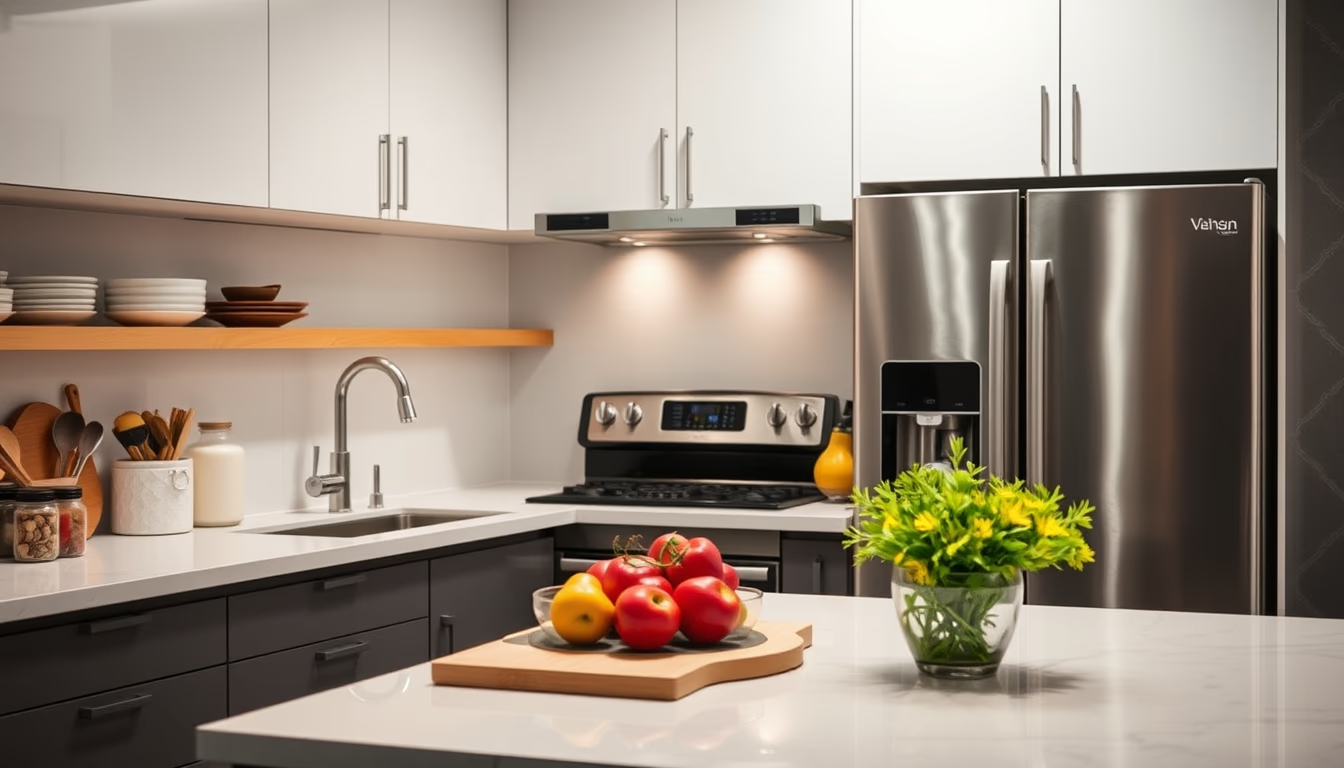
Smart kitchen appliances connected to the Internet provide automation, energy efficiency, and convenience in food preparation and home management.
About this subject
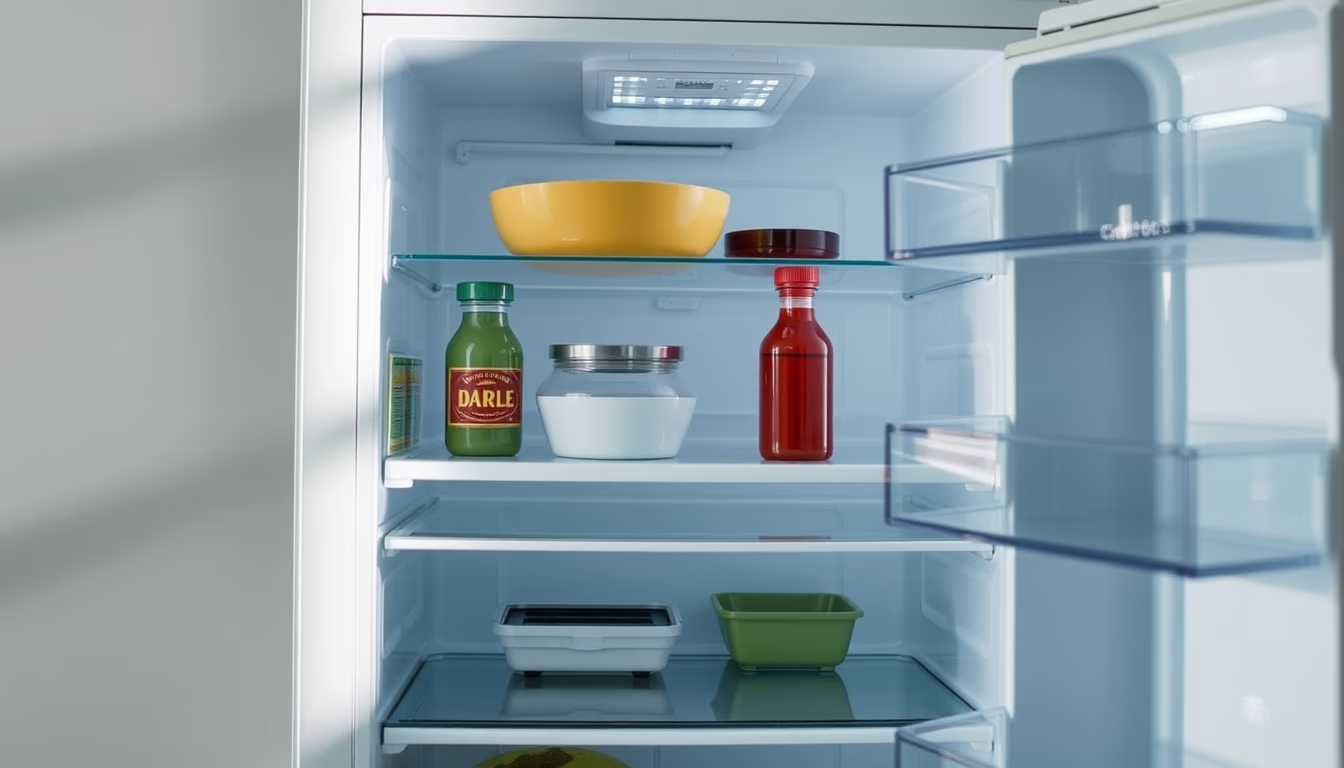
Smart kitchen appliances embody the Internet of Things (IoT) in the home, revolutionizing cooking and household management. Refrigerators with touch screens enable grocery lists and internal viewing via smartphone. Smart ovens adjust time and temperature from downloaded recipes, while voice‑controlled coffee makers brew on schedule. These devices connect via Wi‑Fi, Bluetooth, or Zigbee, often integrating with virtual assistants like Amazon Alexa or Google Assistant. In Brazil, brands like Electrolux and Samsung offer similar models, though adoption is higher in the United States and South Korea.
Adoption grows driven by energy savings (auto‑shutoff sensors), food waste reduction (expiration tracking), and remote convenience (preheating ovens from a phone). Statista projects the global smart appliance market to exceed US$50 billion by 2026. Challenges remain: high upfront cost, need for stable home networks, privacy concerns (usage data collection), and cross‑ecosystem compatibility. By 2026, trends include AI‑driven recipe personalization, self‑cleaning sensors, and integration with solar energy systems.
Design evolves toward minimalist aesthetics with organic displays and intuitive interfaces. Cybersecurity is emphasized through regular firmware updates. For consumers, long‑term savings and practicality justify the investment, especially in automated homes. Expanding broadband and 5G will accelerate mass adoption, making smart kitchens standard in tech‑savvy households.
Frequently Asked Questions
What are smart kitchen appliances?
They are internet‑connected devices like refrigerators, ovens, and coffee makers that enable remote control, automation, and integration with voice assistants, streamlining cooking and home management.
What are the main benefits?
Energy savings through smart sensors, reduced food waste via expiration tracking, and convenience such as pre‑heating the oven remotely or generating automatic shopping lists.
What challenges do they face in Brazil?
High initial cost, need for stable home Wi‑Fi, data privacy concerns, and compatibility issues between brands and assistants. Adoption is rising as internet infrastructure improves.
Direct URL
https://pub-c7d6a6ea828543ac903a74a341ccb2e1.r2.dev/imagens/smart-kitchen-appliances-fine-art-photography-p1.avifHow to credit
Include a visible link back to UtilizAí. Copy one of the snippets below:
<a href="https://xn--utiliza-eza.com/en/midia/imagens/smart-kitchen-appliances-fine-art-photography-p1">Smart kitchen appliances</a> by <a href="https://xn--utiliza-eza.com">UtilizAí</a>, licensed under <a href="https://creativecommons.org/licenses/by/4.0/">CC BY 4.0</a>.
[Smart kitchen appliances](https://xn--utiliza-eza.com/en/midia/imagens/smart-kitchen-appliances-fine-art-photography-p1) by [UtilizAí](https://xn--utiliza-eza.com), CC BY 4.0
License: CC-BY-4.0