Silk thread spool
1344×768 · AVIF · CC BY 4.0
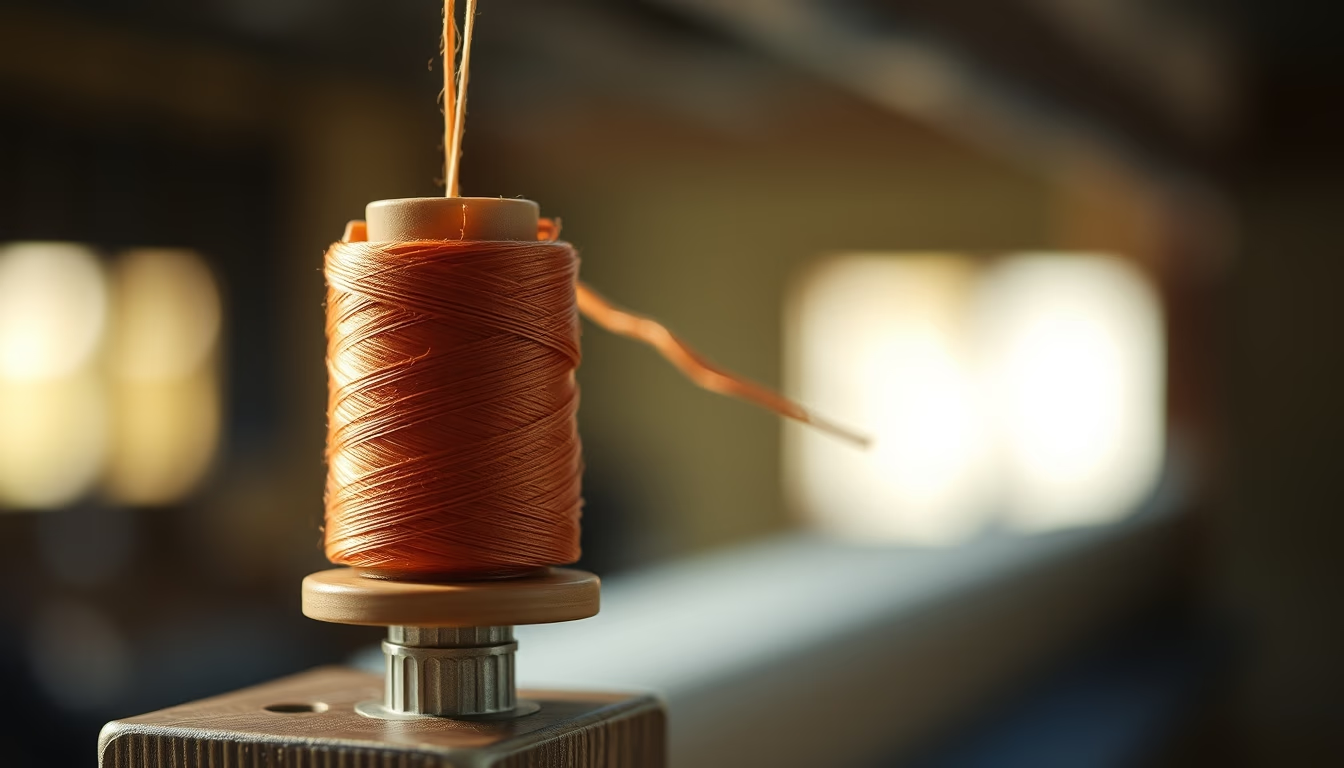
The silk thread spool embodies the ancient tradition of sericulture, essential for producing fine fabrics and surgical threads.
About this subject
Natural silk is produced by the silkworm (Bombyx mori), a caterpillar that feeds exclusively on mulberry leaves. Sericulture originated in China about 5,000 years ago and was a closely guarded secret for centuries. The Silk Road, a network of trade routes connecting Asia to Europe, was driven by the commerce of this luxurious material.
The process of obtaining silk thread begins with cocoons, which are immersed in hot water to soften sericin, a gum that binds the fibers. Then, the fibers are unwound and spun into continuous threads, wound onto spools. A single cocoon can yield about 1,000 meters of thread. Raw silk has a natural beige color but can be dyed in various shades.
Silk thread is valued for its softness, strength, and elasticity. It is used in sewing noble fabrics like pure silk, satin, and chiffon, as well as fine embroidery, dental floss, and surgical sutures. Interestingly, silk fiber has tensile strength comparable to steel, yet it is much lighter. In medicine, silk threads have been used for centuries in surgeries due to their biocompatibility and low rejection.
In Brazil, sericulture is a relevant activity, especially in the state of Paraná, the largest national producer. The country holds a prominent position in raw silk production, exporting mainly to Japan and Europe. Despite competition from synthetic threads like polyester and nylon, natural silk maintains its prestige due to its unique properties and artisanal tradition.
Frequently Asked Questions
How is silk thread made?
Silk thread is obtained from silkworm cocoons. The cocoons are boiled to soften sericin, and the fibers are unwound and spun into continuous threads, wound onto spools.
What are the main uses of silk thread?
Besides sewing fine fabrics, it is used in embroidery, dental floss, and surgical sutures due to its strength and biocompatibility.
Is silk production sustainable?
Sericulture is considered low environmental impact, but it involves killing the pupae. Alternatives like Ahimsa silk allow the moth to emerge.
Direct URL
https://pub-c7d6a6ea828543ac903a74a341ccb2e1.r2.dev/imagens/silk-thread-spool-documentary-photography-fresh13.avifHow to credit
Include a visible link back to UtilizAí. Copy one of the snippets below:
<a href="https://xn--utiliza-eza.com/en/midia/imagens/silk-thread-spool-documentary-photography-fresh13">Silk thread spool</a> by <a href="https://xn--utiliza-eza.com">UtilizAí</a>, licensed under <a href="https://creativecommons.org/licenses/by/4.0/">CC BY 4.0</a>.
[Silk thread spool](https://xn--utiliza-eza.com/en/midia/imagens/silk-thread-spool-documentary-photography-fresh13) by [UtilizAí](https://xn--utiliza-eza.com), CC BY 4.0
License: CC-BY-4.0