Silk thread spool
1344×768 · AVIF · CC BY 4.0
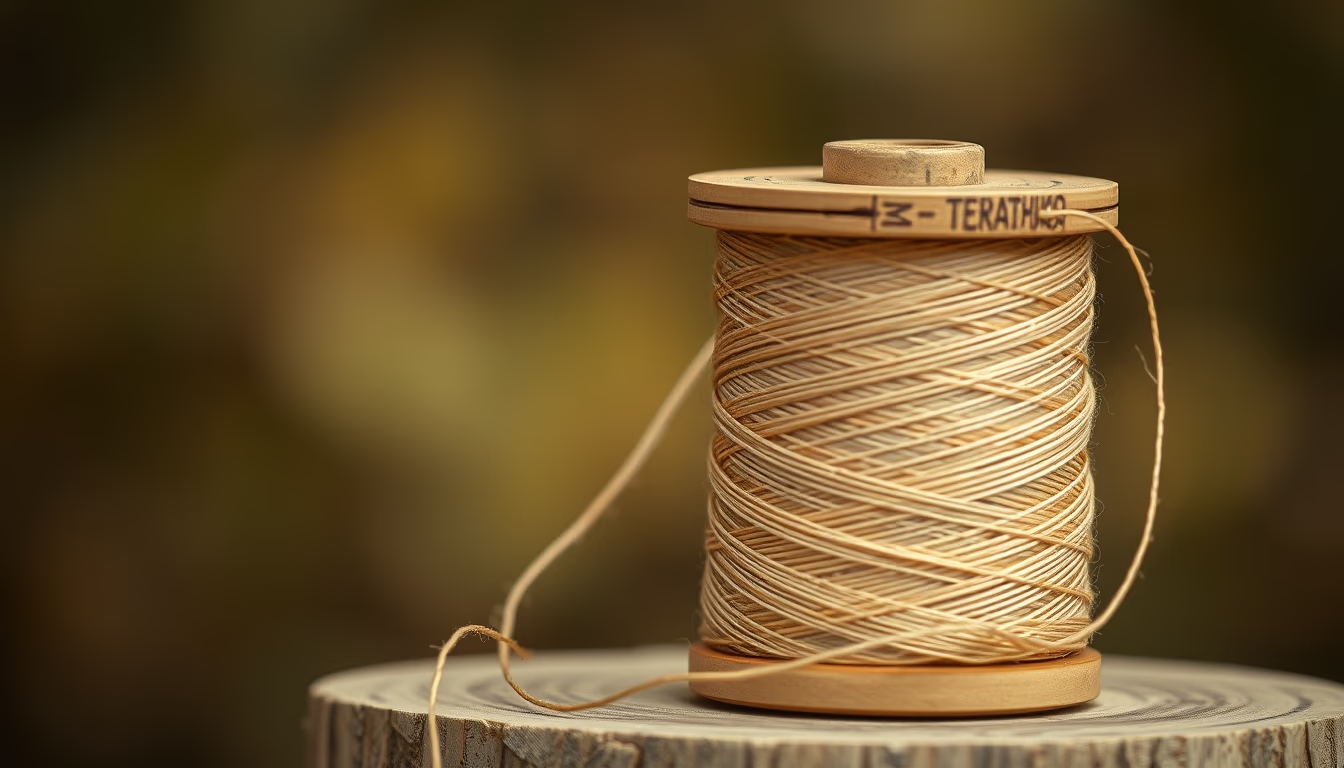
Spool of pure silk thread, a noble material from ancient Chinese sericulture, used in fine embroidery and luxury textiles.
About this subject
Silk is a natural protein fiber produced by the silkworm (Bombyx mori) during cocoon formation. Sericulture, the technique of rearing these insects to obtain the fiber, originated in China over 5,000 years ago and was a closely guarded secret for centuries. The Silk Road, a network of trade routes connecting East and West, was named after this precious material.
To obtain silk thread, cocoons are immersed in hot water to soften the sericin (natural gum) and then unwound. Each cocoon yields between 800 and 1,500 meters of continuous filament. These filaments are twisted together to form thicker threads, which can be dyed with vibrant and durable colors. Silk thread is valued for its exceptional strength, natural luster, and soft texture.
In the textile industry, silk is used in fabrics such as chiffon, satin, and organza, as well as threads for hand and machine embroidery. Silk embroidery is characteristic of traditions like Chinese Suzhou, Indian Kantha, and Brazilian Renaissance embroidery. Despite its high cost, silk maintains prestige for being hypoallergenic, thermoregulating, and biodegradable.
Interestingly, today's global silk production is led by China (about 80%) and India. Raw silk (grege) is often used in artisanal spinning and high-fashion projects. Unlike synthetic fibers, silk requires special care, such as hand washing and drying in the shade, to preserve its properties.
Frequently Asked Questions
How is silk thread produced from the cocoon?
The silkworm cocoon is immersed in hot water to soften the sericin. Then the continuous filament is carefully unwound, reaching over a kilometer per cocoon. Several filaments are twisted together to form the commercial thread.
What are the main differences between silk and cotton?
Silk is a protein fiber, while cotton is cellulosic. Silk is finer, shinier, and stronger, with better thermoregulation. Cotton is more absorbent and easier to wash, but less lustrous.
Is silk considered a sustainable material?
Yes, silk is biodegradable and renewable. However, conventional production often involves boiling cocoons with the pupae inside (killed). Alternatives like Ahimsa (peace) silk allow the moth to emerge before harvesting.
Direct URL
https://pub-c7d6a6ea828543ac903a74a341ccb2e1.r2.dev/imagens/silk-thread-spool-documentary-nature-style-fresh2.avifHow to credit
Include a visible link back to UtilizAí. Copy one of the snippets below:
<a href="https://xn--utiliza-eza.com/en/midia/imagens/silk-thread-spool-documentary-nature-style-fresh2">Silk thread spool</a> by <a href="https://xn--utiliza-eza.com">UtilizAí</a>, licensed under <a href="https://creativecommons.org/licenses/by/4.0/">CC BY 4.0</a>.
[Silk thread spool](https://xn--utiliza-eza.com/en/midia/imagens/silk-thread-spool-documentary-nature-style-fresh2) by [UtilizAí](https://xn--utiliza-eza.com), CC BY 4.0
License: CC-BY-4.0