Shipwreck underwater old
1344×768 · AVIF · CC BY 4.0
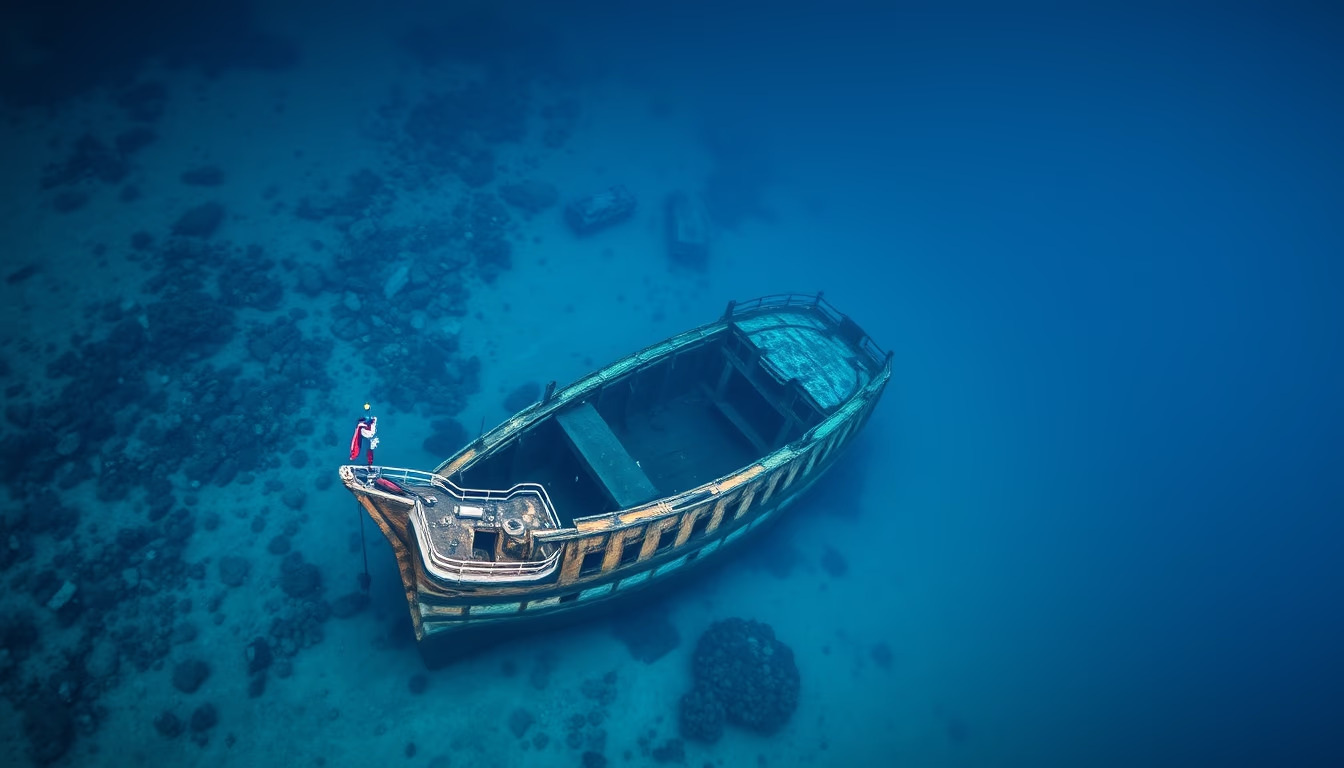
Ancient underwater shipwrecks hold stories, become artificial reefs and reveal secrets of the past on the ocean floor.
About this subject
Shipwrecks are true submerged time capsules. Each hull preserves a snapshot of the era it sank, from everyday artifacts to valuable cargo. Archaeological study of these wrecks helps reconstruct trade routes, naval technology and even causes of tragedies. The wreck of the Spanish galleon San José in the Caribbean, for example, holds a treasure valued at billions of dollars, while the Titanic remains one of the most studied underwater sites in the world.
Beyond historical value, shipwrecks play a crucial ecological role. When they settle on the seabed, wooden or metal structures create habitats for corals, sponges and fish. It is estimated that a single wreck can harbor hundreds of species, functioning as artificial reefs in sandy bottom areas. In Brazil, sites like the wreck of the Príncipe de Astúrias off Queimada Grande Island (SP) or the Clóvis in Angra dos Reis (RJ) are famous diving spots and ecologically rich.
Preserving these sites faces challenges. Corrosion, illegal looting and uncontrolled tourism can destroy historical evidence. Many wrecks are therefore protected by cultural heritage laws, such as the UNESCO Convention on the Protection of the Underwater Cultural Heritage. In addition, technologies like sonar and ROVs allow exploration of wrecks at great depths, revealing details previously inaccessible. Each new find contributes to a better understanding of naval history and the environmental impact of maritime accidents.
Frequently Asked Questions
Why do shipwrecks attract divers?
Shipwrecks offer a unique combination of history, adventure and biodiversity. Divers can explore preserved structures, see artifacts and observe marine life that has settled on the wreckage, making each dive a different experience.
How do shipwrecks become artificial reefs?
When sinking, the ship's structure provides hard surfaces for algae, corals and sponges to attach. Fish and other organisms find shelter in the gaps, creating an ecosystem that can last for decades or centuries, especially on sandy bottoms without natural reefs.
What is the most famous shipwreck in Brazil?
The wreck of the Príncipe de Astúrias, which sank in 1916 off Queimada Grande Island (SP), is one of the most iconic. With over 300 deaths, the Spanish ocean liner lies at about 30 meters depth and is a historic and ecological dive site.
Direct URL
https://pub-c7d6a6ea828543ac903a74a341ccb2e1.r2.dev/imagens/shipwreck-underwater-old-aerial-drone-shot-p1.avifHow to credit
Include a visible link back to UtilizAí. Copy one of the snippets below:
<a href="https://xn--utiliza-eza.com/en/midia/imagens/shipwreck-underwater-old-aerial-drone-shot-p1">Shipwreck underwater old</a> by <a href="https://xn--utiliza-eza.com">UtilizAí</a>, licensed under <a href="https://creativecommons.org/licenses/by/4.0/">CC BY 4.0</a>.
[Shipwreck underwater old](https://xn--utiliza-eza.com/en/midia/imagens/shipwreck-underwater-old-aerial-drone-shot-p1) by [UtilizAí](https://xn--utiliza-eza.com), CC BY 4.0
License: CC-BY-4.0