Shark ocean menacing
1344×768 · AVIF · CC BY 4.0
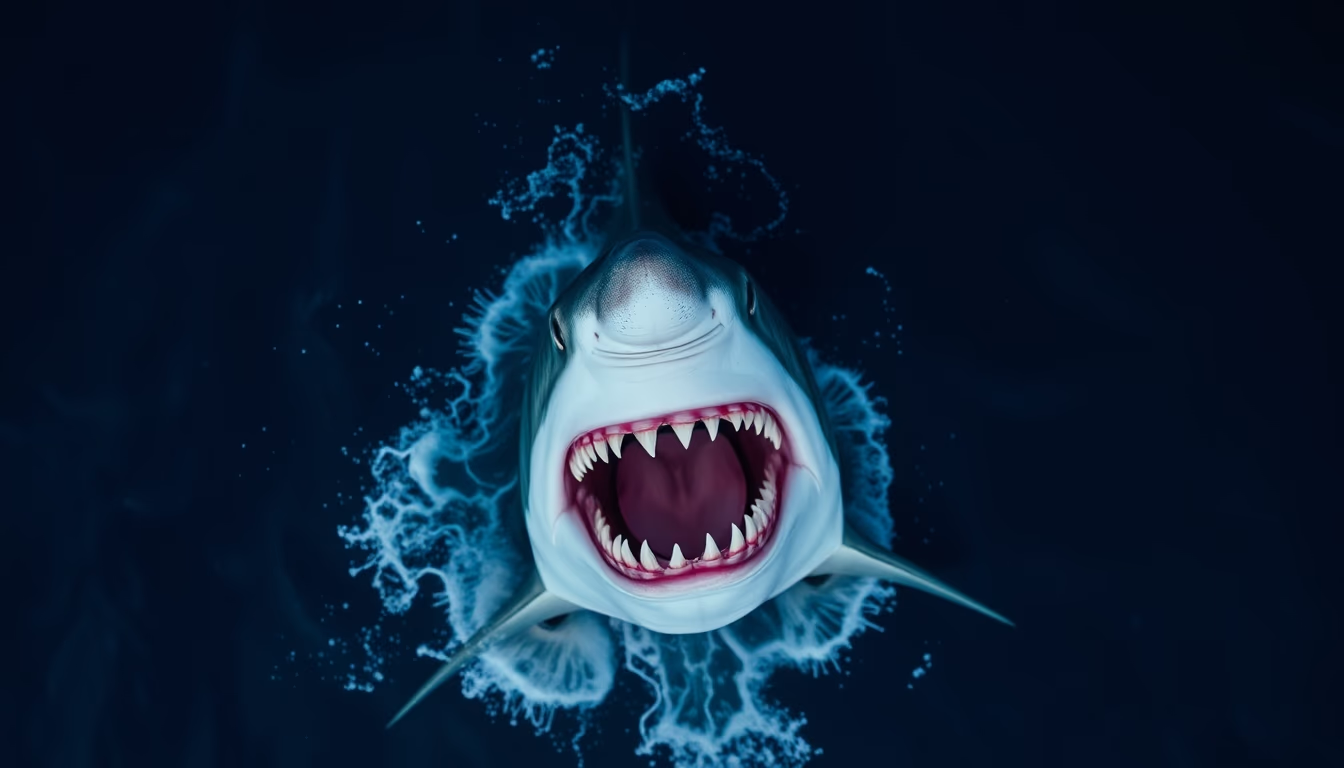
Aerial view of a shark in its natural habitat, revealing hunting behaviors and the importance of these predators for ocean balance.
About this subject
Sharks are apex predators that play a crucial role in regulating prey populations in the oceans. With around 500 known species, they range from the tiny dwarf lanternshark (Etmopterus perryi), only 20 cm long, to the massive whale shark (Rhincodon typus), which can reach 12 meters. They inhabit all oceans, from shallow coastal waters to abyssal depths. A fascinating feature is their lateral line system and ampullae of Lorenzini, which detect vibrations and electric fields, allowing them to locate prey even in total darkness.
Sharks have existed for over 400 million years, predating dinosaurs. Their evolutionary efficiency is remarkable: lighter cartilaginous skeletons, multiple rows of replaceable teeth, and a slow growth rate. Despite their fearsome reputation, attacks on humans are rare and often cases of mistaken identity. Each year, about 80 unprovoked attacks occur worldwide, with fewer than 10 fatalities. In contrast, human action kills an estimated 100 million sharks annually, mostly due to finning and bycatch.
Aerial drone imagery has revolutionized shark monitoring. Researchers use these unmanned vehicles to study migration, reproduction, and feeding patterns without disturbing animal behavior. For instance, off the coast of Australia and at Ningaloo Reef, drones have documented cooperative hunting by tiger sharks and interactions with sardine schools. Additionally, conservation programs use drones to alert beachgoers to the presence of sharks, reducing dangerous encounters.
Globally, shark conservation faces challenges. Many species are threatened, with 37% listed on the IUCN Red List. Fishing pressure and habitat degradation, such as coral reefs and mangroves, accelerate decline. Initiatives like marine sanctuaries and finning bans in several countries are helping, but public awareness is key. Understanding shark behavior, including through technologies like drones, is essential to protect these animals and the ecosystems that depend on them.
Frequently Asked Questions
Why are sharks important for the ocean?
Sharks are apex predators that maintain balance in marine food webs. They remove sick or weak individuals, preventing epidemics and ensuring the genetic health of prey populations.
How do aerial drones help study sharks?
Drones enable non-invasive observation of natural behaviors like feeding and migration. With high-resolution cameras, researchers can identify species, count individuals, and map habitats without disturbing the animals.
What is the most common shark species in shallow waters?
The bull shark (Carcharhinus leucas) is common in shallow coastal waters and even rivers due to its freshwater tolerance. Other frequent species are the nurse shark (Ginglymostoma cirratum) and the blacktip reef shark (Carcharhinus limbatus).
Direct URL
https://pub-c7d6a6ea828543ac903a74a341ccb2e1.r2.dev/imagens/shark-ocean-menacing-aerial-drone-shot-p6.avifHow to credit
Include a visible link back to UtilizAí. Copy one of the snippets below:
<a href="https://xn--utiliza-eza.com/en/midia/imagens/shark-ocean-menacing-aerial-drone-shot-p6">Shark ocean menacing</a> by <a href="https://xn--utiliza-eza.com">UtilizAí</a>, licensed under <a href="https://creativecommons.org/licenses/by/4.0/">CC BY 4.0</a>.
[Shark ocean menacing](https://xn--utiliza-eza.com/en/midia/imagens/shark-ocean-menacing-aerial-drone-shot-p6) by [UtilizAí](https://xn--utiliza-eza.com), CC BY 4.0
License: CC-BY-4.0