Sewing machine vintage
1344×768 · AVIF · CC BY 4.0
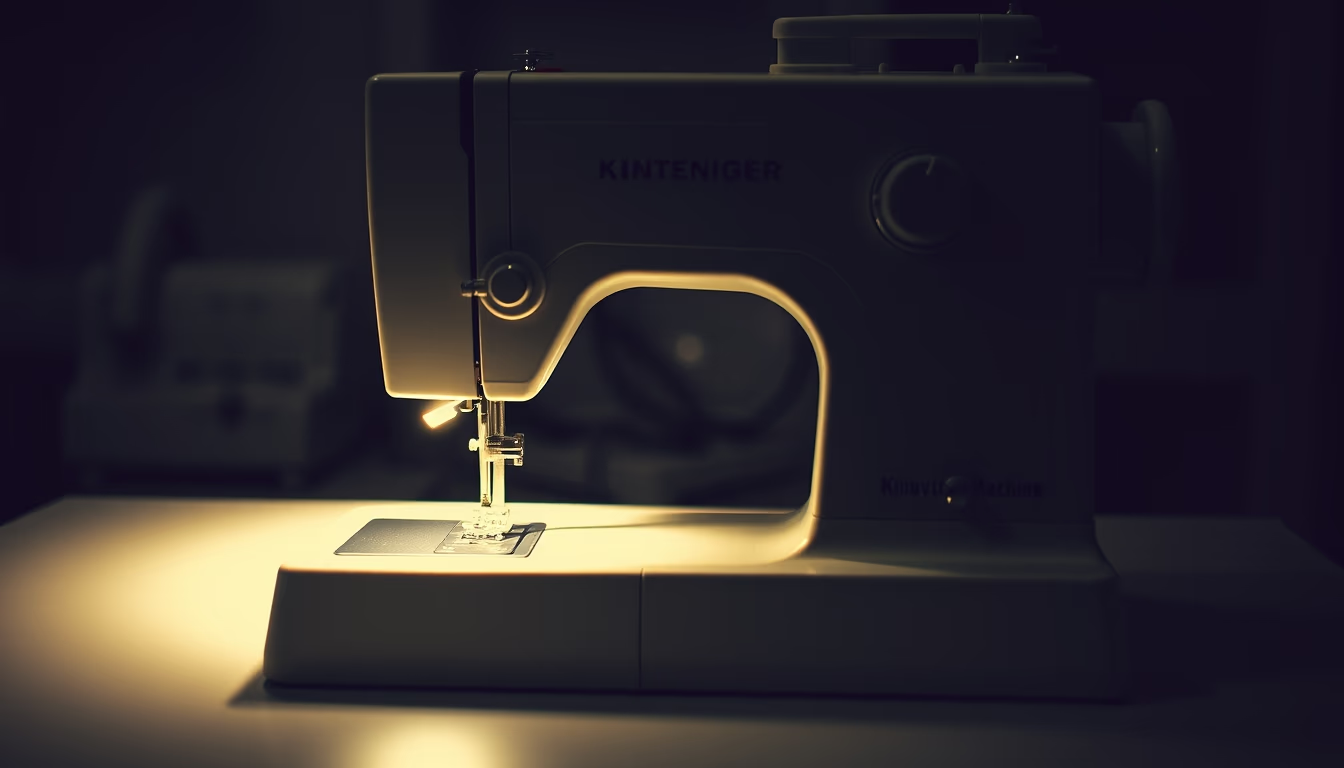
Vintage sewing machines combine iconic design and functionality, serving as collectible pieces and work tools for artisans.
About this subject
Vintage sewing machines, particularly those manufactured between the 1850s and 1950s, represent a milestone in the textile industry and domestic culture. The invention of the mechanical sewing machine, patented by Elias Howe in 1846 and improved by Isaac Singer in subsequent years, revolutionized clothing production by enabling fast and uniform stitching that previously required hours of manual labor. Models such as the Singer 66 and Singer 15-91 became symbols of durability and precision, often adorned with gold filigree and cast-iron bases.
In Brazil, sewing machines arrived in the 19th century and quickly became household essentials, especially among the middle class. Brands like Singer, Elgin, and White dominated the market, with repair shops and dealerships spread across the country. Even today, many families preserve these machines as sentimental heirlooms, still functional after decades of use. Maintenance is relatively simple, with parts still available at antique fairs or through online collector groups.
Culturally, the vintage sewing machine evokes an era when garment repair and customization were common practices, contrasting with today's disposable fashion. Movements like slow fashion and upcycling have reignited interest in these machines, valuing their mechanical robustness over modern electronic ones. Additionally, the retro design attracts photographers and influencers seeking a nostalgic aesthetic, often using disposable cameras or film simulations to compose images.
Interestingly, the sewing machine was one of the first household appliances to be marketed through magazine ads and catalogs, with the famous slogan "The machine that conquered the world." Rare models, such as the Singer 127 with its egg-shaped base, can fetch thousands of reais at auctions. For modern artisans, owning a vintage machine is not just about utility but also a link to the history of sewing and women's independence, as many women earned their own income by operating these machines at home.
Frequently Asked Questions
How can I identify the model of a vintage Singer sewing machine?
The model can be identified by the serial number engraved on the metal plate (usually on the base or side). Consult online tables or specialized guides, such as the Singer Museum website, to determine the exact year and model.
What is the difference between vintage mechanical and modern electronic sewing machines?
Vintage mechanical machines operate solely with gears and levers, without electronic circuits. They are more robust and easier to repair. Modern electronic machines have microprocessors and more functions but can be more fragile and depend on specific parts.
Are vintage sewing machines worth it for beginners?
Yes, provided they are in good working condition. They are slower than modern ones, which helps beginners maintain control. Moreover, they teach the fundamentals of sewing mechanics. It is important to check if the bobbin and needle are compatible with current sizes.
Direct URL
https://pub-c7d6a6ea828543ac903a74a341ccb2e1.r2.dev/imagens/sewing-machine-vintage-lo-fi-disposable-camera-p6.avifHow to credit
Include a visible link back to UtilizAí. Copy one of the snippets below:
<a href="https://xn--utiliza-eza.com/en/midia/imagens/sewing-machine-vintage-lo-fi-disposable-camera-p6">Sewing machine vintage</a> by <a href="https://xn--utiliza-eza.com">UtilizAí</a>, licensed under <a href="https://creativecommons.org/licenses/by/4.0/">CC BY 4.0</a>.
[Sewing machine vintage](https://xn--utiliza-eza.com/en/midia/imagens/sewing-machine-vintage-lo-fi-disposable-camera-p6) by [UtilizAí](https://xn--utiliza-eza.com), CC BY 4.0
License: CC-BY-4.0