Security camera surveillance
1344×768 · AVIF · CC BY 4.0
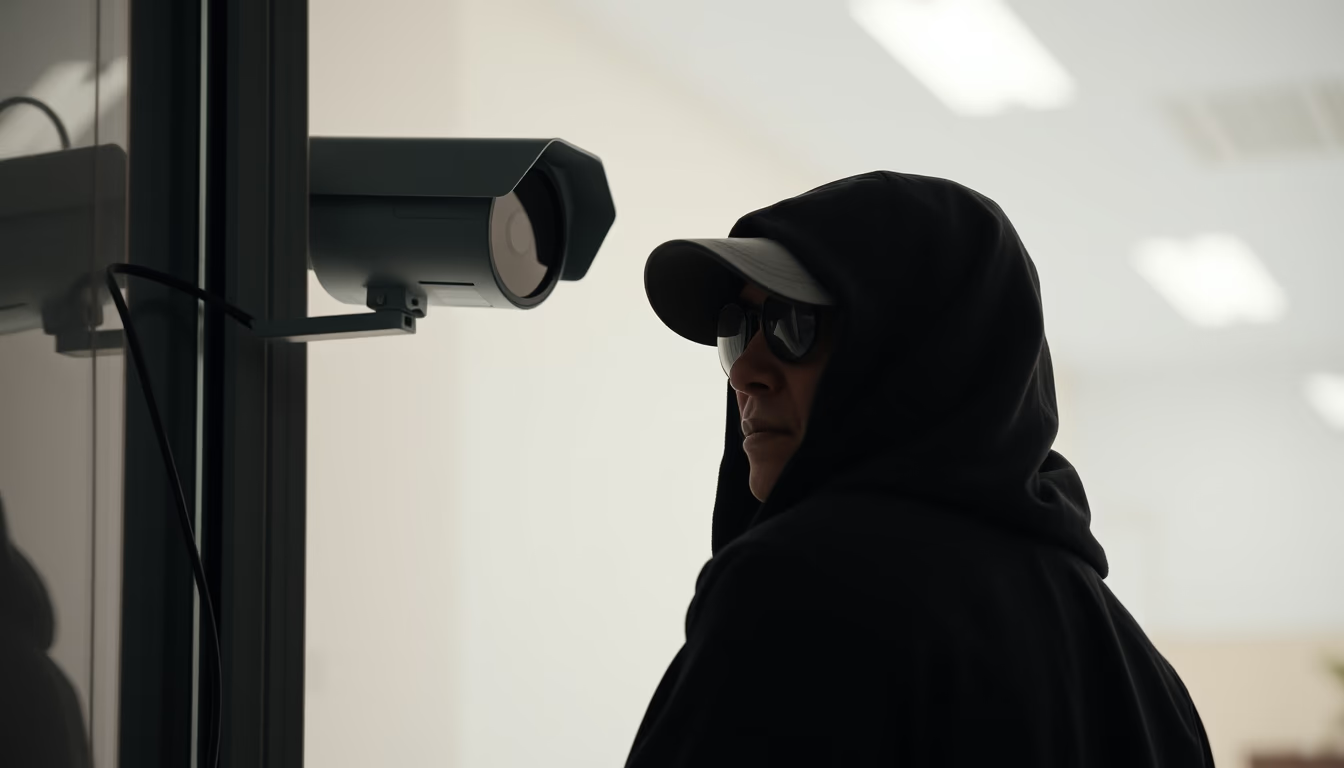
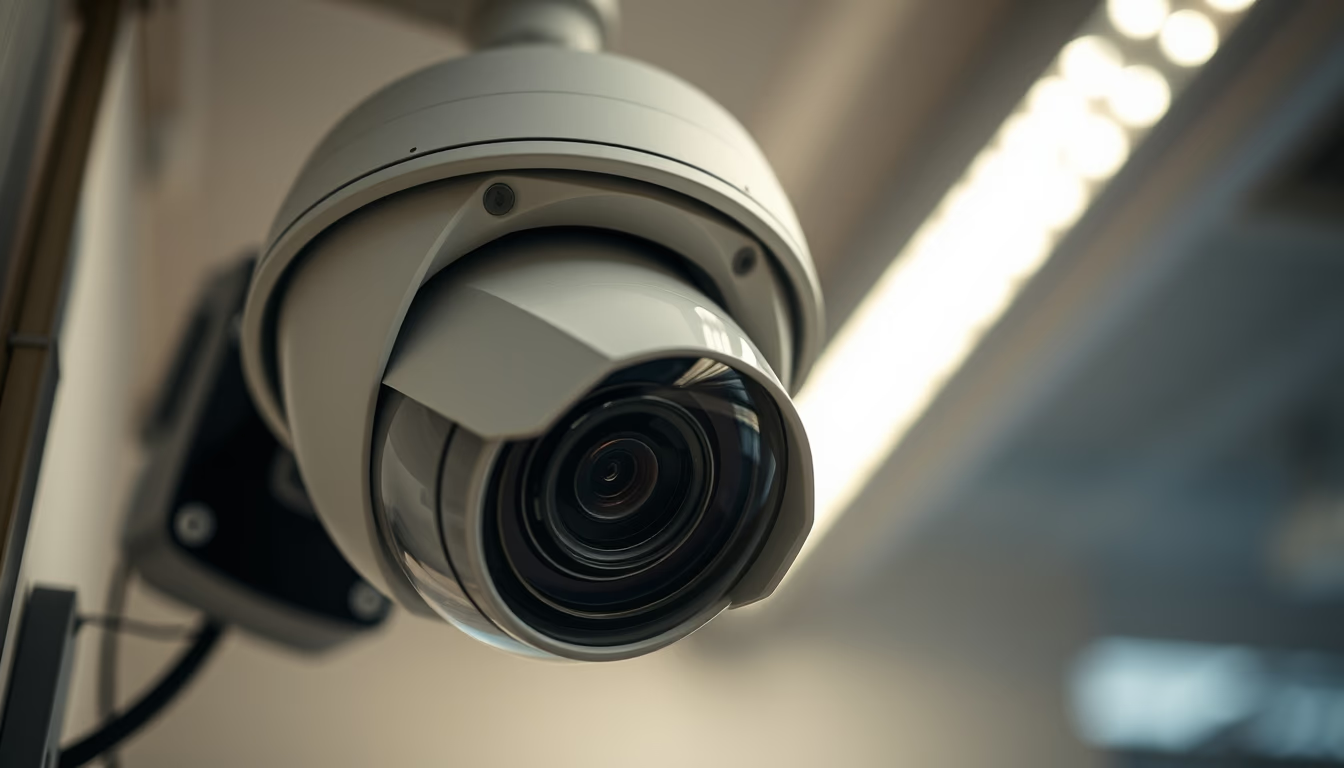
Security cameras turn smart homes into surveillance hubs, raising privacy questions in the digital era.
About this subject
Residential security cameras have become a cornerstone of modern smart homes. With the advancement of the Internet of Things (IoT), models such as Arlo, Ring, and Google Nest Wi-Fi cameras allow real-time remote monitoring via mobile apps. According to Statista, the global home security camera market is expected to surpass US$20 billion by 2026, driven by demand for safety and integration with virtual assistants.
In Brazil, usage of these devices grew 40% between 2020 and 2023, according to the Brazilian Association of Electronic Security (ABESE). Many homes install cameras at doors, gardens, and indoor areas, using motion sensors and cloud recording. However, cybersecurity experts warn of vulnerabilities: poorly configured cameras can be hacked, exposing intimate footage. Leak incidents in 2023, such as the Verkada security breach, highlighted these risks.
A 2026 trend points to cameras with embedded artificial intelligence capable of distinguishing people, animals, and vehicles, reducing false alarms. Integration with alarm systems and smart locks creates complete security ecosystems. Simultaneously, movements like "Ban the Box" in the UK question the normalization of mass surveillance, especially in condominiums and public spaces.
Documentary photography capturing security cameras in everyday settings reflects this tension: the electronic eye that protects but also watches. In projects like "The Panopticon" by Brazilian photographer João Paulo, the omnipresence of lenses is portrayed as a symbol of the control society. The cold, impersonal aesthetic of the devices contrasts with the human warmth they monitor, sparking debates on ethics and consent.
Frequently Asked Questions
How do smart security cameras work?
They connect to the internet via Wi-Fi and send images to the cloud or a local recorder. Motion sensors trigger recordings and notifications to the user's smartphone.
What are the main privacy risks of using home cameras?
Hackers can break into poorly protected cameras, access live or recorded video, and even use the devices in botnets. Weak passwords and outdated firmware increase vulnerability.
What to expect from security cameras in 2026?
Models with advanced AI for facial recognition and behavioral analysis, deeper integration with assistants like Alexa and Google Assistant, and stronger security protocols such as end-to-end encryption.
Direct URL
https://pub-c7d6a6ea828543ac903a74a341ccb2e1.r2.dev/imagens/security-camera-surveillance-documentary-photography-p2.avifHow to credit
Include a visible link back to UtilizAí. Copy one of the snippets below:
<a href="https://xn--utiliza-eza.com/en/midia/imagens/security-camera-surveillance-documentary-photography-p2">Security camera surveillance</a> by <a href="https://xn--utiliza-eza.com">UtilizAí</a>, licensed under <a href="https://creativecommons.org/licenses/by/4.0/">CC BY 4.0</a>.
[Security camera surveillance](https://xn--utiliza-eza.com/en/midia/imagens/security-camera-surveillance-documentary-photography-p2) by [UtilizAí](https://xn--utiliza-eza.com), CC BY 4.0
License: CC-BY-4.0