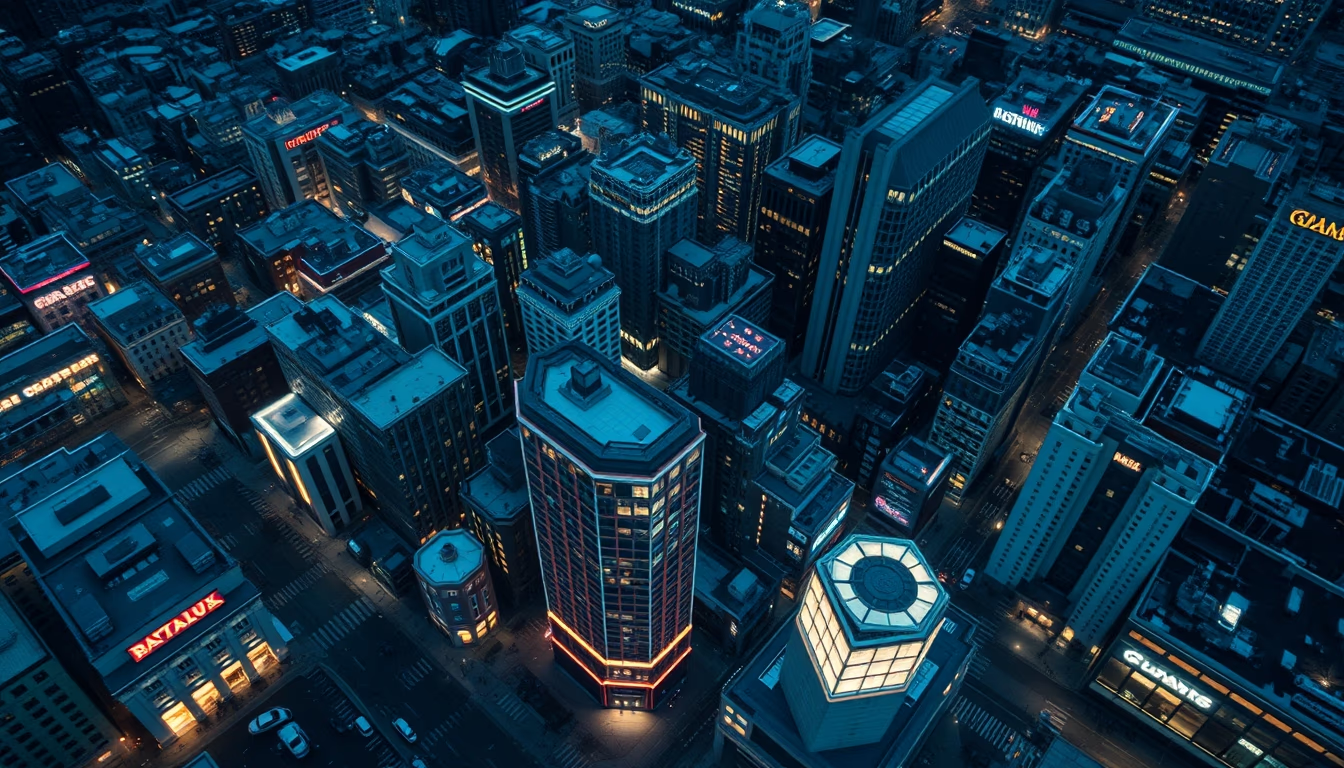
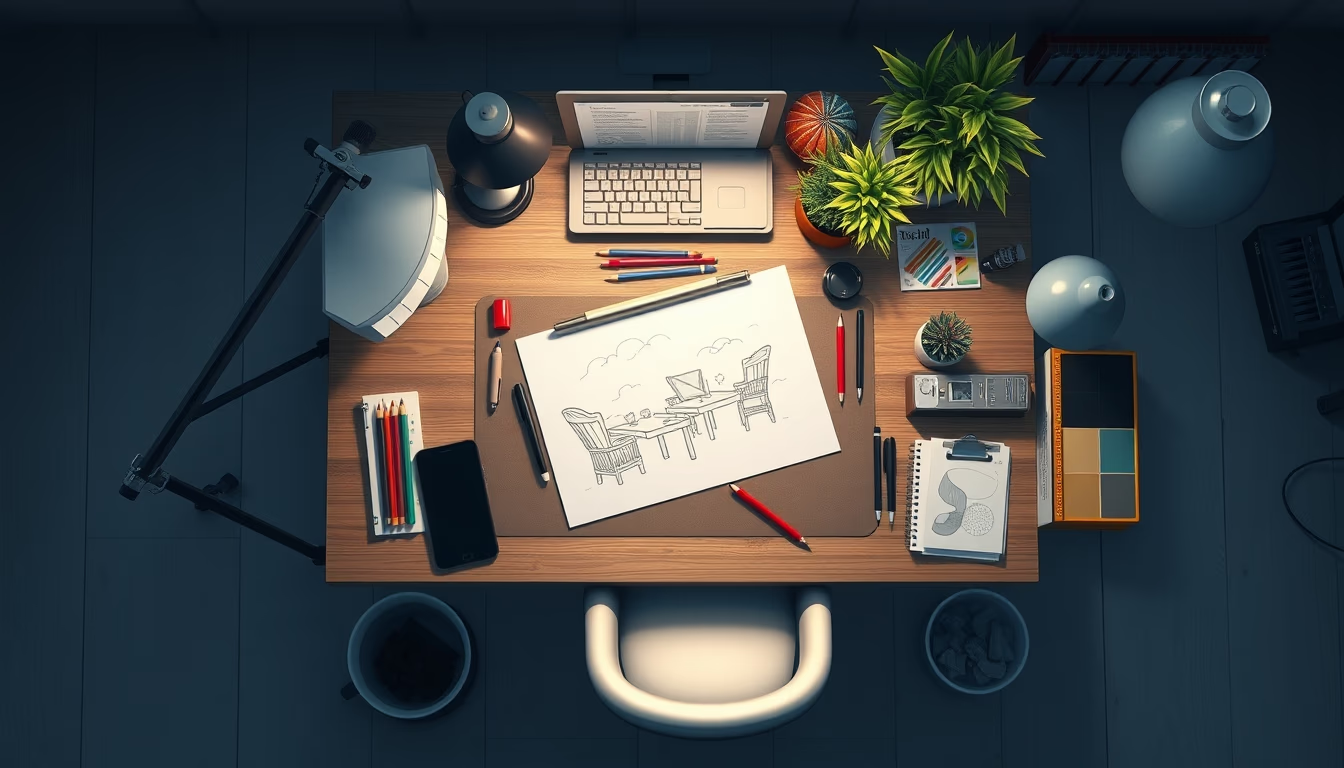
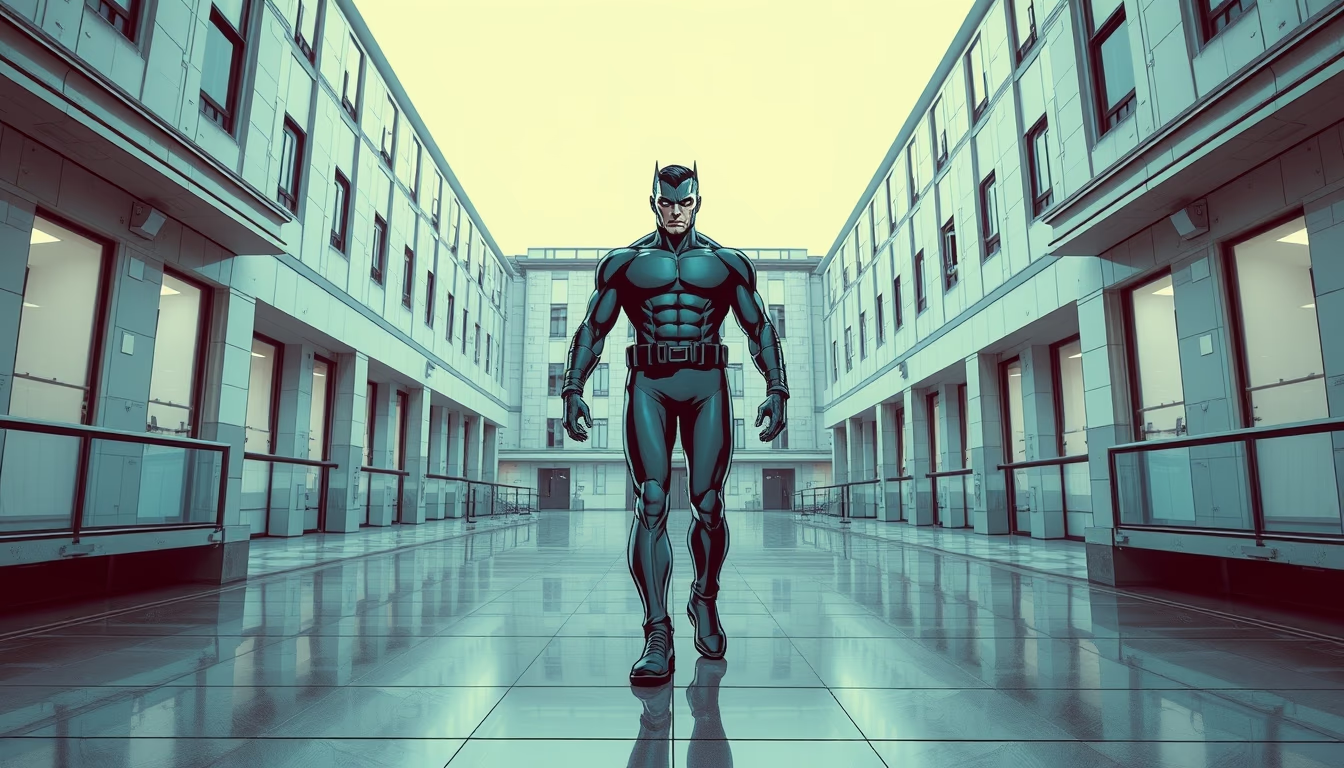
Screentone manga texture
1344×768 · AVIF · CC BY 4.0
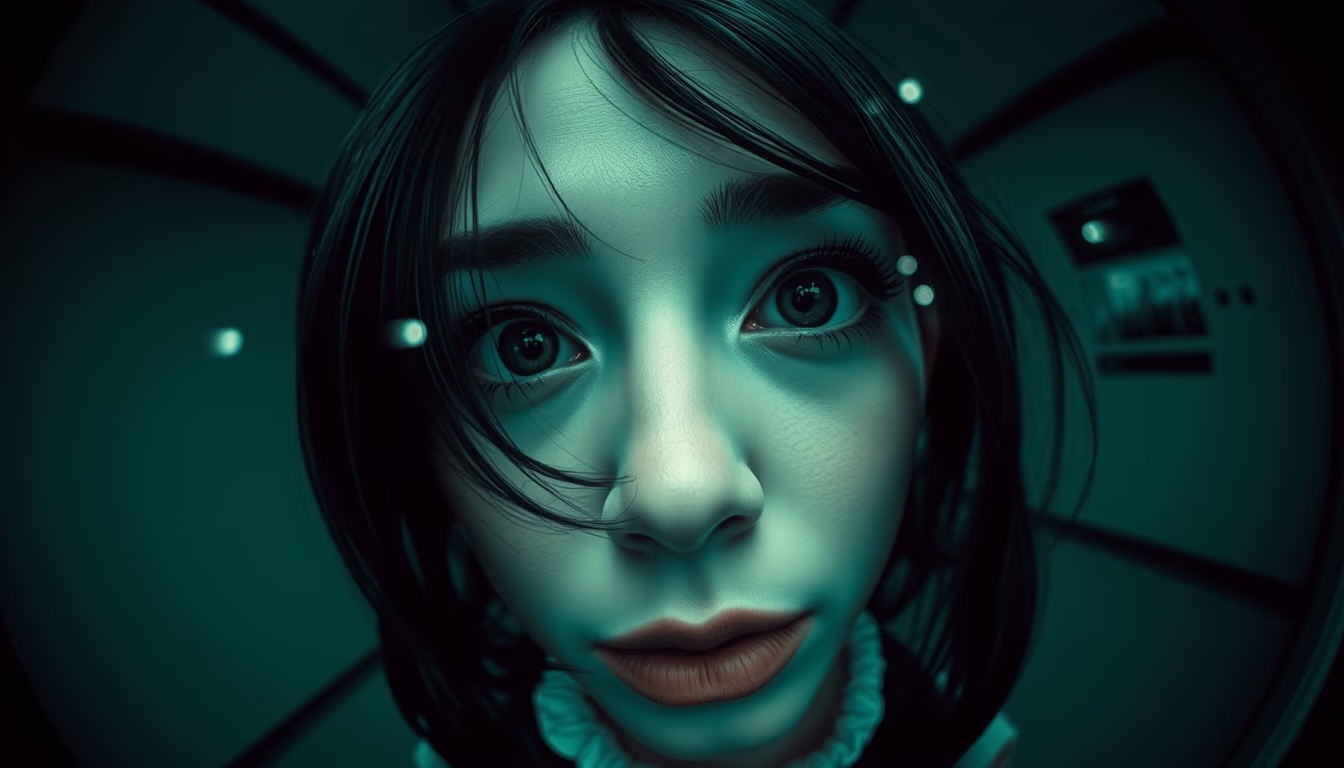
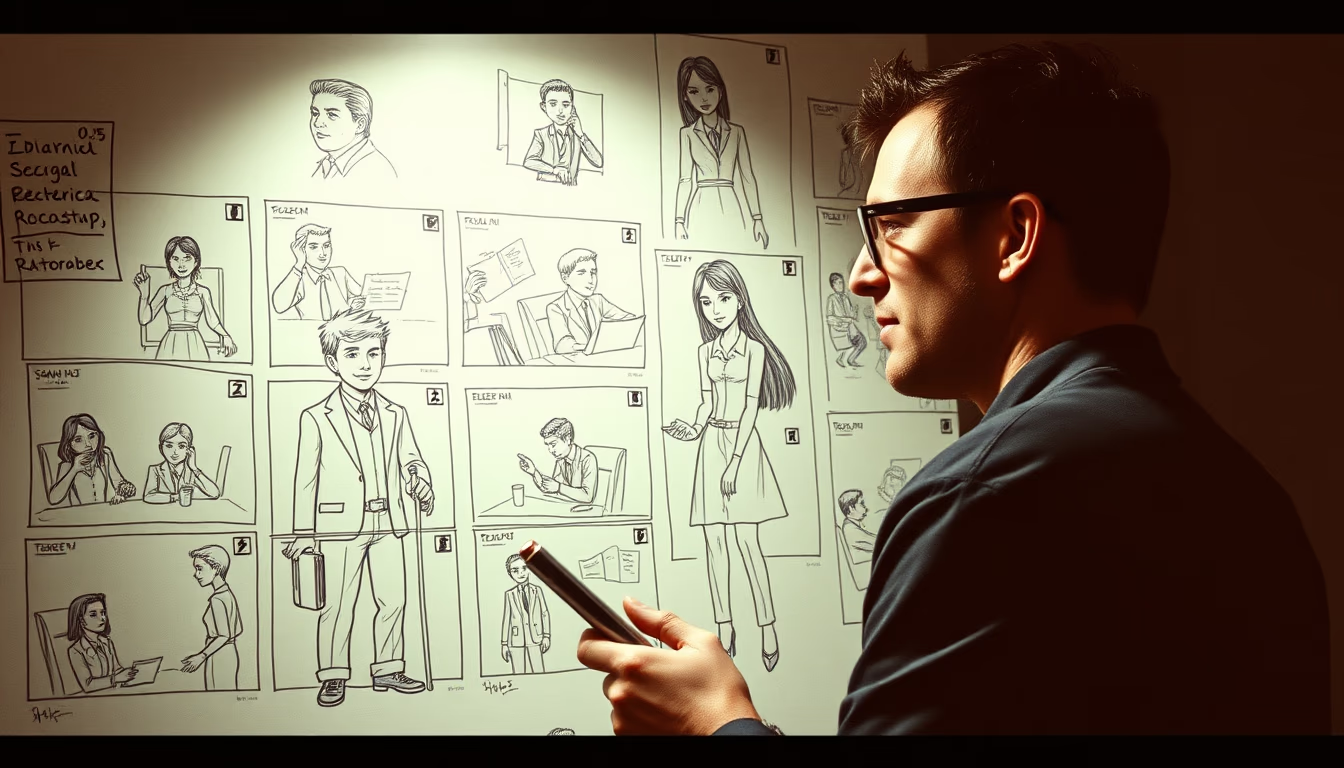
Screentone is an essential technique in manga, used to add textures and shading with dot, line, or gradient patterns applied over ink drawings.
About this subject
Screentone, also known as screen tone or mechanical halftone, is a fundamental graphic resource in the production of manga and Japanese comics. Originally, it consisted of transparent adhesive sheets with printed patterns, dots, hatching, waves, wood or metal textures, that the artist cut and applied over ink drawings. This method, popularized in the 1960s and 1970s by mangakas like Osamu Tezuka (creator of Astro Boy and Metropolis), allowed the creation of gray tones, soft shadows, light effects, and atmospheres without the need for time-consuming manual painting.
The technique was inspired by Letraset and other dry-transfer systems used in advertising and graphic design. In manga, screentone took on functions beyond simple texturing: it can indicate changes in weather, emotional states (such as nervousness or tension with dense patterns), or even suggest movement in action scenes. Each manufacturer, such as the Japanese Deleter (which has dominated the market since the 1980s), offers hundreds of patterns cataloged by density and style, such as the classic dot tone (fine dots) and line tone (parallel lines).
With digital advancement, the process has been largely replaced by brushes and textures in software like Clip Studio Paint and Photoshop. Today, screentone application is done in digital layers, allowing infinite adjustments, but many artists still resort to traditional patterns to preserve the aesthetic charm of classic manga. Choosing the right screentone requires knowledge of how patterns react to grayscale and print resolution, avoiding unwanted moiré effects.
Culturally, screentone is a symbol of manga's visual identity, distinguishing it from other comic traditions. Although free digital tools and online libraries exist, the art of selecting and applying screentones remains a valued skill among professional and amateur mangakas. The creative use of textures, combined with narrative flow, enriches the reading experience and reinforces the dramatic or comedic impact of scenes.
Frequently Asked Questions
What is screentone in manga?
Screentone is a texturing technique that uses adhesive sheets with printed patterns (dots, lines, gradients) to add shadows, gray tones and visual effects to black-and-white manga drawings.
How is screentone traditionally applied?
The artist cuts the desired pattern from an adhesive sheet and places it over the ink drawing. Then, using a craft knife, they trim away the excess, leaving the texture only on the intended areas.
Is screentone still used in digital manga?
Yes, but in digital form. Art programs like Clip Studio Paint offer brushes and textures that mimic traditional patterns, allowing adjustments of density, scale and rotation without the challenges of physical media.
Direct URL
https://pub-c7d6a6ea828543ac903a74a341ccb2e1.r2.dev/imagens/screentone-manga-texture-fish-eye-wide-angle-fresh18.avifHow to credit
Include a visible link back to UtilizAí. Copy one of the snippets below:
<a href="https://xn--utiliza-eza.com/en/midia/imagens/screentone-manga-texture-fish-eye-wide-angle-fresh18">Screentone manga texture</a> by <a href="https://xn--utiliza-eza.com">UtilizAí</a>, licensed under <a href="https://creativecommons.org/licenses/by/4.0/">CC BY 4.0</a>.
[Screentone manga texture](https://xn--utiliza-eza.com/en/midia/imagens/screentone-manga-texture-fish-eye-wide-angle-fresh18) by [UtilizAí](https://xn--utiliza-eza.com), CC BY 4.0
License: CC-BY-4.0