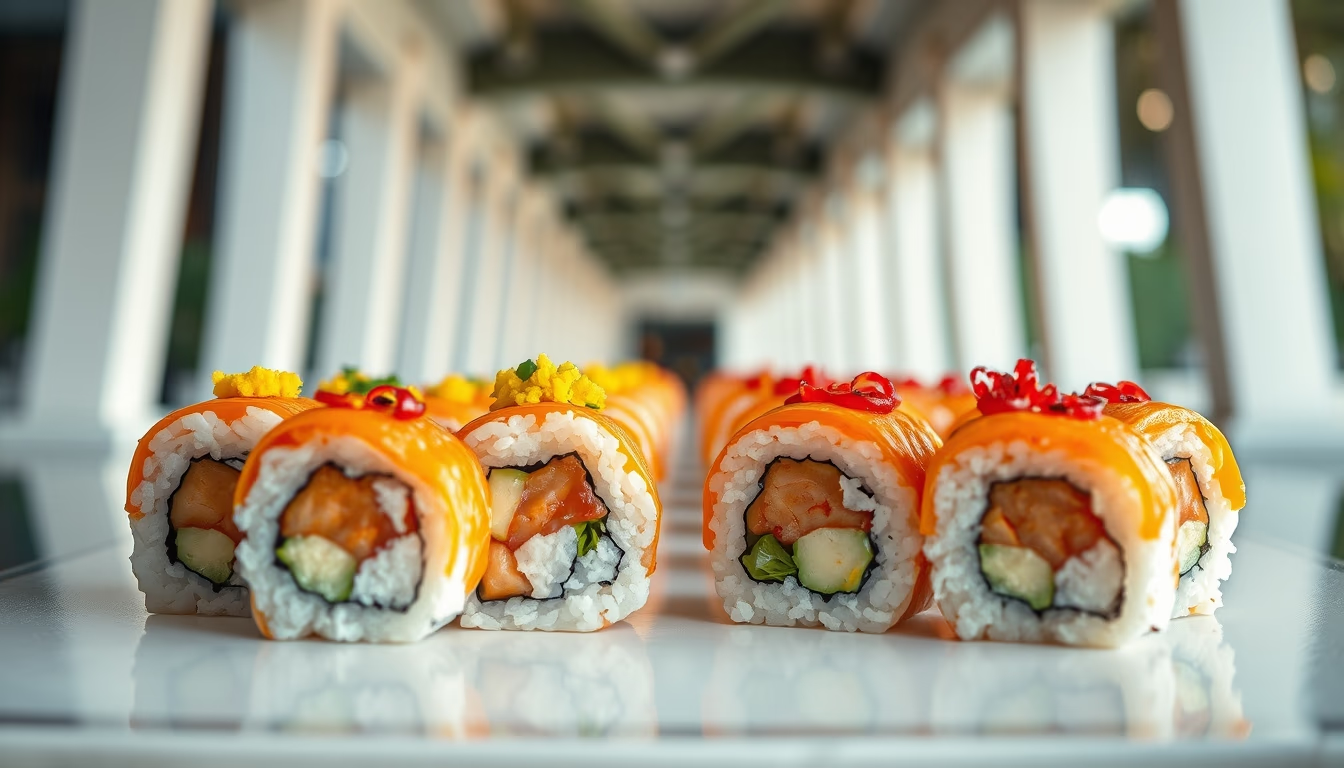
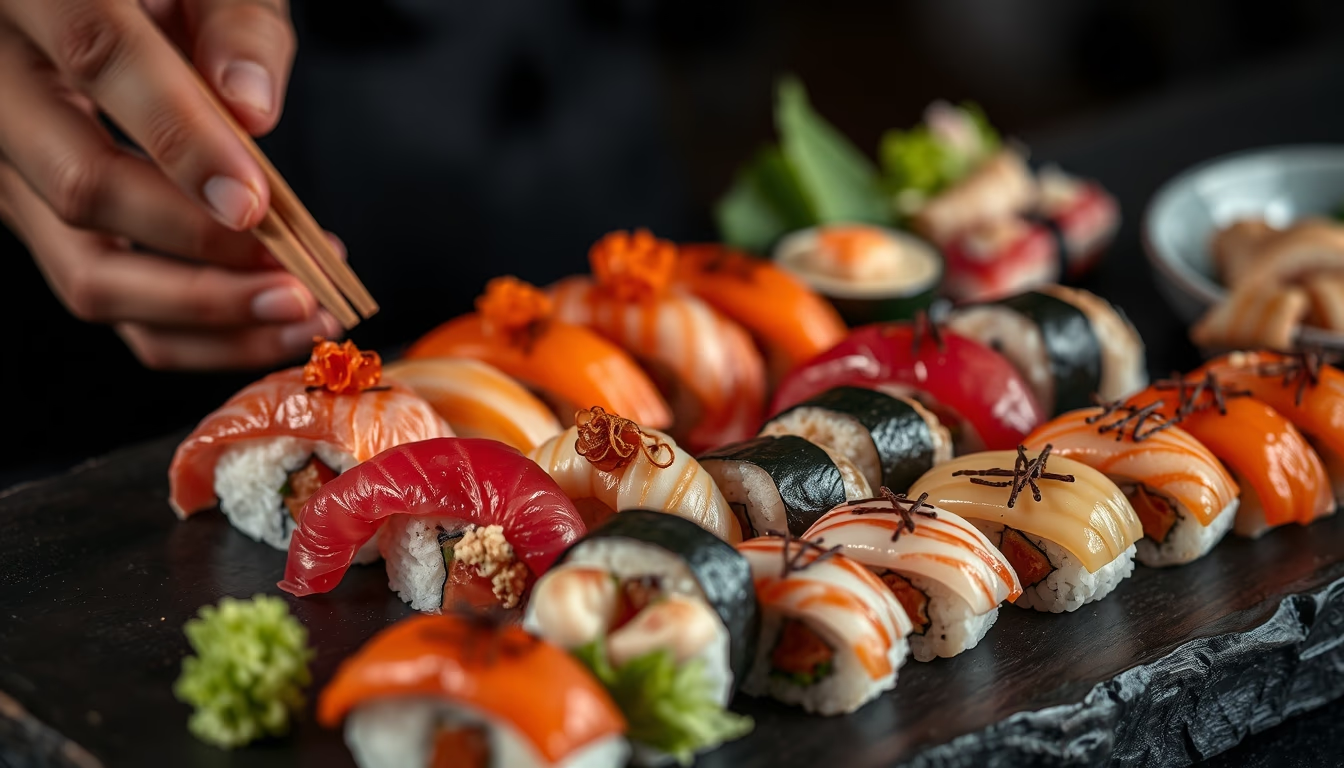
Sashimi presentation
1344×768 · AVIF · CC BY 4.0
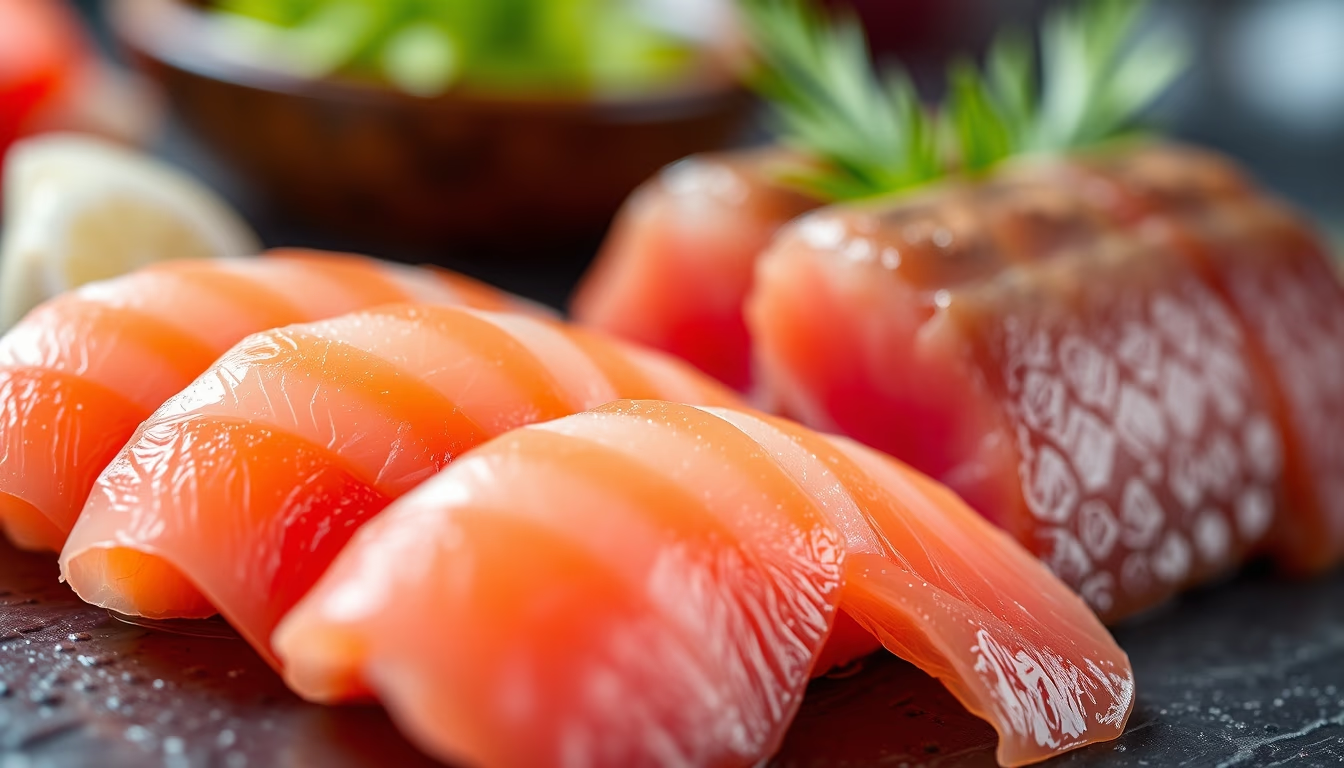
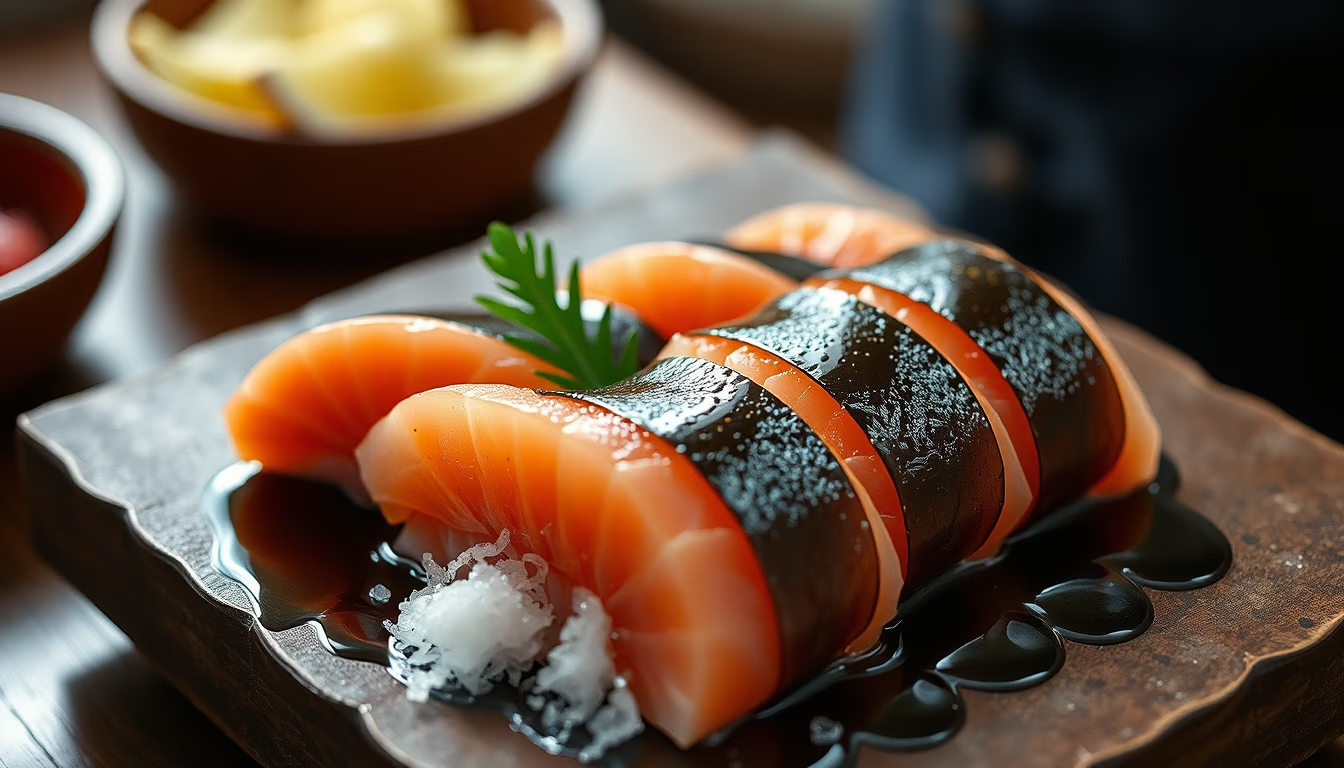
Sashimi is the Japanese art of slicing raw fish into thin, delicate pieces, served with soy sauce, wasabi, and pickled ginger.
About this subject
Sashimi is a Japanese culinary preparation consisting of extremely fresh raw fish or seafood, sliced into thin pieces and served without rice, unlike sushi. Only premium cuts from species like salmon, tuna, sea bass, swordfish, and hamachi (yellowtail) are used. The cutting technique, called kiritsuke, varies by fish type and desired texture: straight cuts for firm flesh, oblique cuts for tender meat.
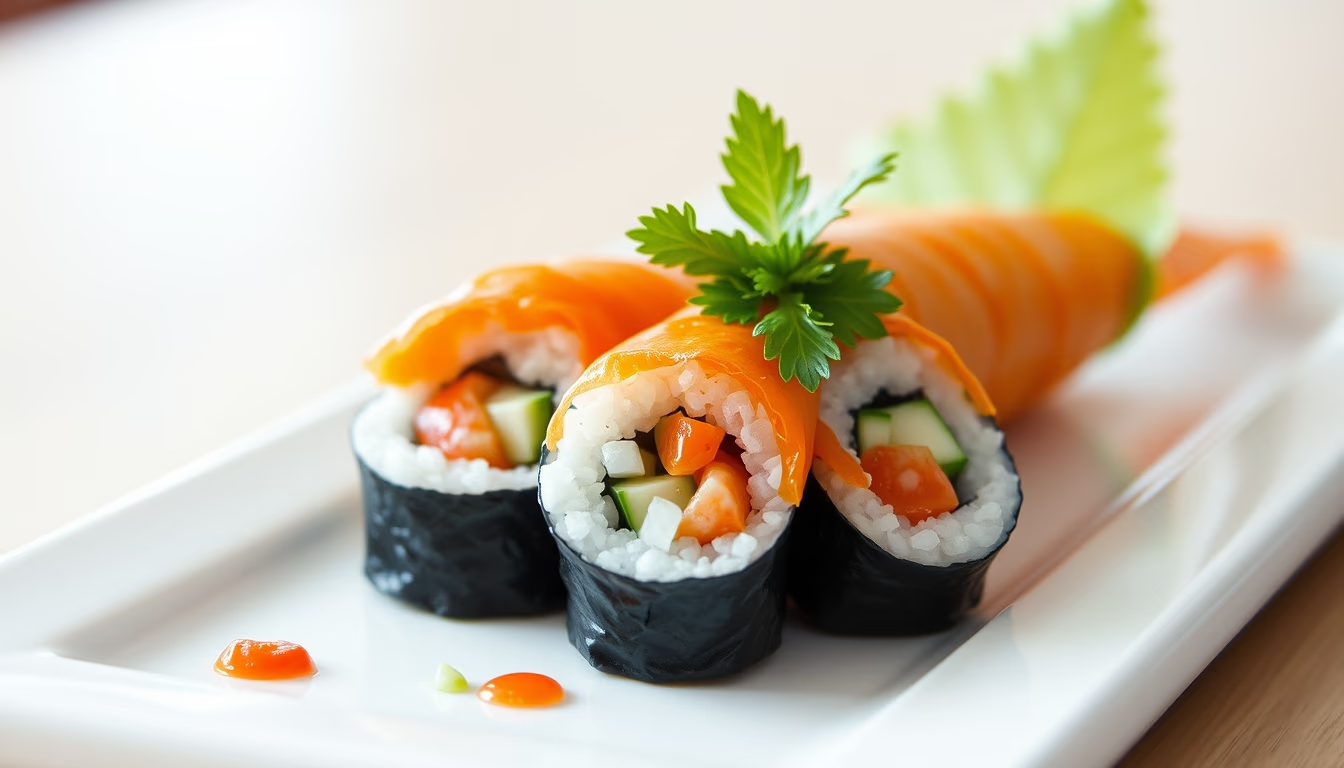
Presentation is as vital as flavor. Traditionally, slices are arranged on a plate with minimalist decoration, highlighting the colors and translucency of the meat. Accompaniments include soy sauce, freshly grated wasabi from the Wasabia japonica root, and pickled ginger (gari) to cleanse the palate between different fish. In traditional practice, wasabi should not be mixed into the soy sauce; each bite is prepared individually.
Sashimi originated in the Heian period (794, 1185), when raw fish was preserved in vinegar. Over time, the technique evolved to the immediate consumption of fresh fish without vinegar, especially after refrigeration became widespread in the 20th century. Today, sashimi is a symbol of high Japanese gastronomy and appreciated globally, with local variations incorporating ingredients like Norwegian salmon, widely used in Brazil.
A fun fact: the term “sashimi” means “pierced meat,” referring to the practice of sticking the fish’s tail into the slice for identification. Specific cuts such as maguro (tuna), saba (mackerel), and tai (sea bream) have their own names. Maximum freshness is required: fish for sashimi are killed using ikejime, a method that preserves texture and prevents bacterial growth.
Frequently Asked Questions
What is the difference between sashimi and sushi?
Sashimi is just sliced raw fish, served without rice. Sushi combines raw fish (or other ingredients) with vinegared rice and other toppings.
Which fish are most commonly used for sashimi?
The most common are salmon, tuna, sea bass, swordfish, hamachi (yellowtail), and sea bream. In Brazil, Norwegian salmon is very popular.
Can sashimi be made with other seafood?
Yes, lobster, octopus, squid, and scallops are also used, as long as they are extremely fresh and properly cut.
Direct URL
https://pub-c7d6a6ea828543ac903a74a341ccb2e1.r2.dev/imagens/sashimi-presentation-macro-closeup-fresh9.avifHow to credit
Include a visible link back to UtilizAí. Copy one of the snippets below:
<a href="https://xn--utiliza-eza.com/en/midia/imagens/sashimi-presentation-macro-closeup-fresh9">Sashimi presentation</a> by <a href="https://xn--utiliza-eza.com">UtilizAí</a>, licensed under <a href="https://creativecommons.org/licenses/by/4.0/">CC BY 4.0</a>.
[Sashimi presentation](https://xn--utiliza-eza.com/en/midia/imagens/sashimi-presentation-macro-closeup-fresh9) by [UtilizAí](https://xn--utiliza-eza.com), CC BY 4.0
License: CC-BY-4.0