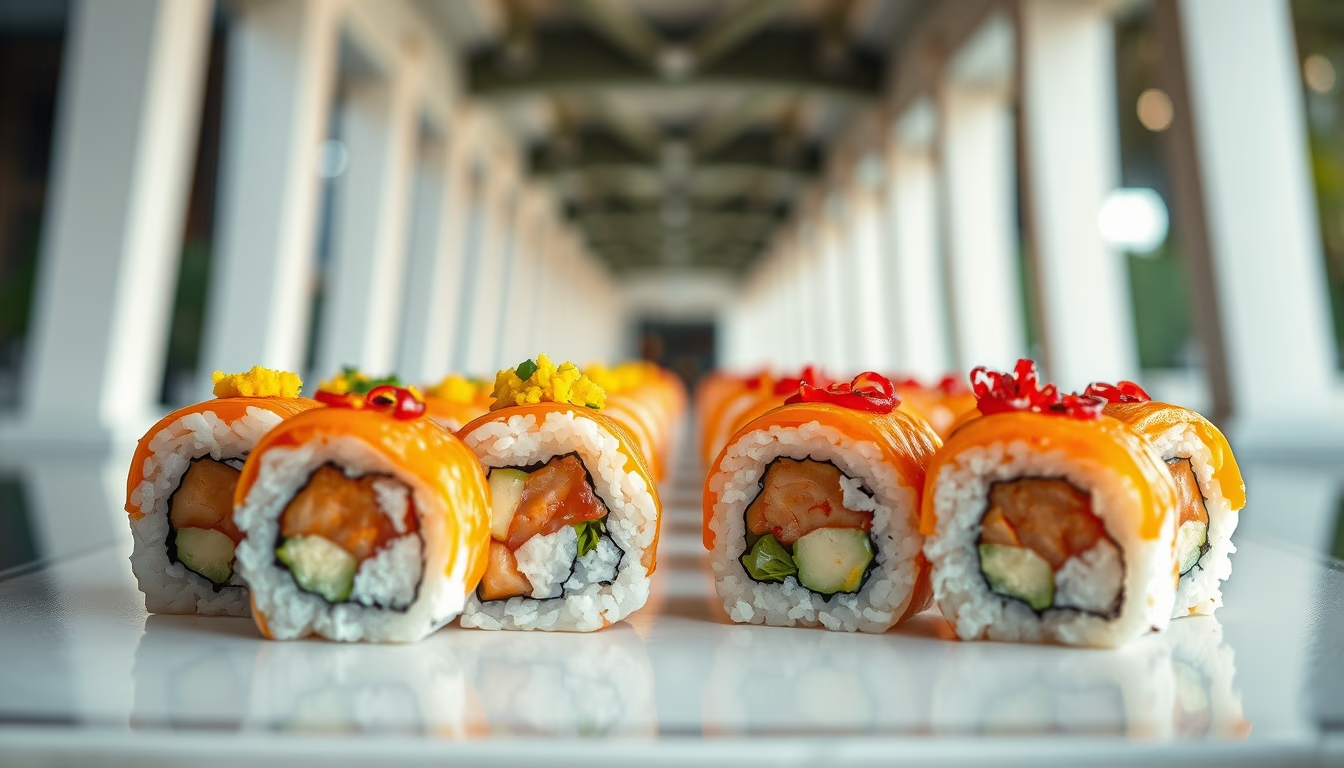
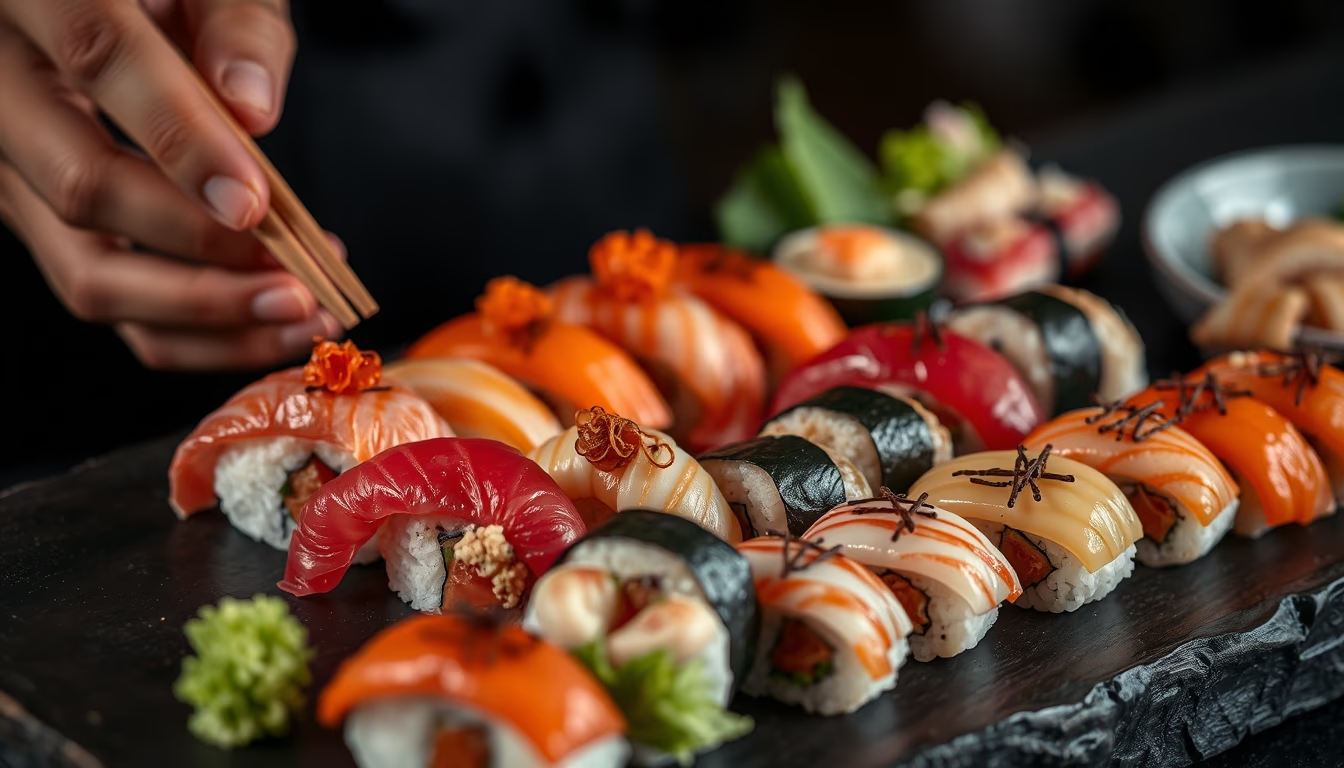
Sashimi presentation
1344×768 · AVIF · CC BY 4.0
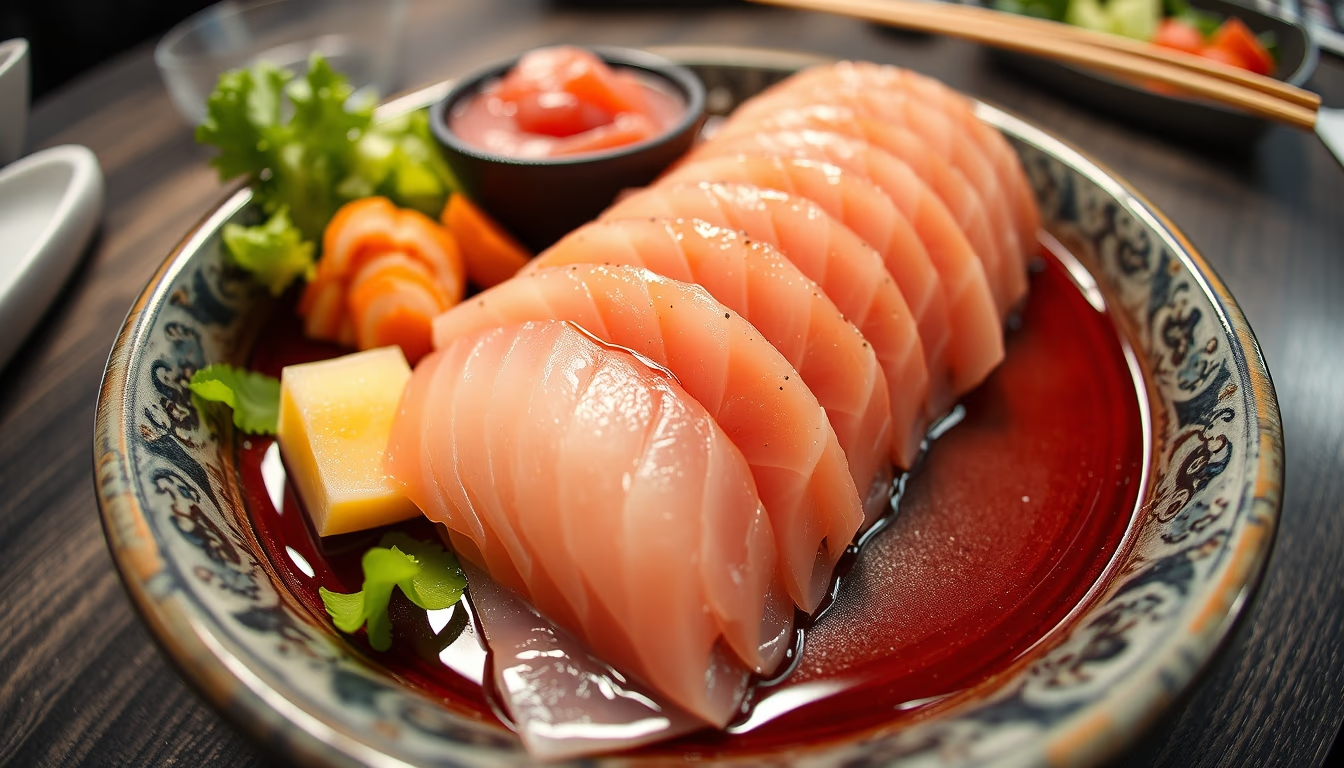
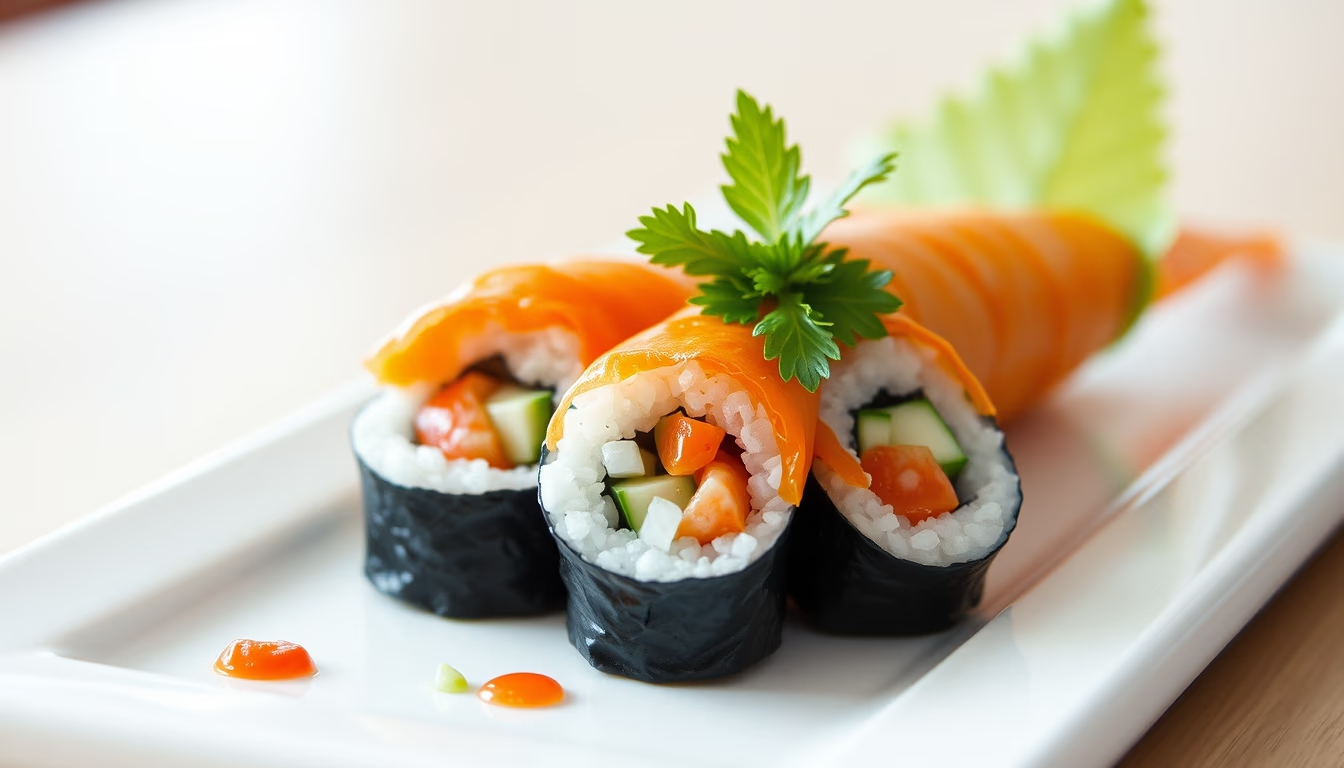
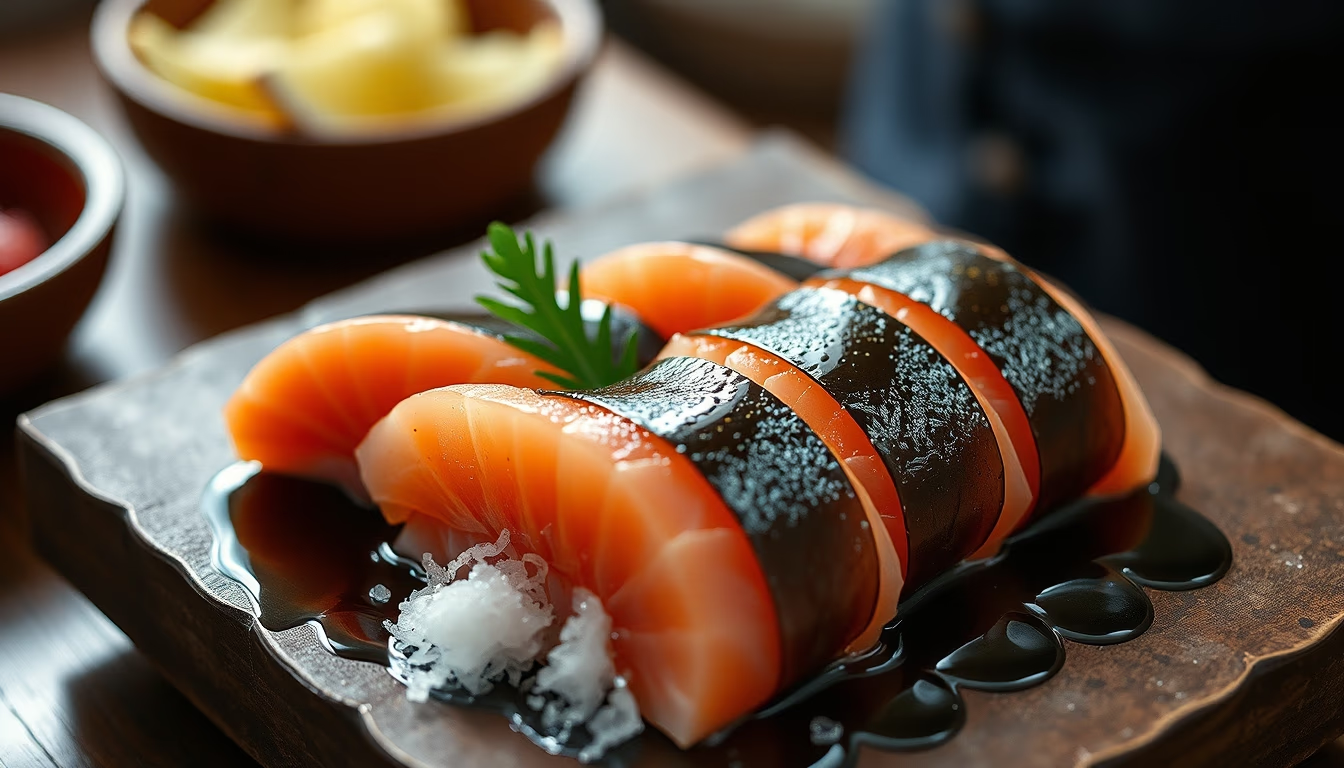
Sashimi presentation is a Japanese culinary art that combines freshness, precise cuts, and aesthetic arrangement to enhance the flavor of raw fish.
About this subject
Sashimi consists of thinly sliced raw fish served without rice, distinguishing it from sushi. Originating in Japan, the dish emphasizes the natural flavor of the fish, requiring absolute freshness. The presentation of sashimi is as important as its taste, following aesthetic principles rooted in Japanese minimalism.
Cuts vary depending on the fish and technique: hira-zukuri (rectangular cut, common for tuna), usu-zukuri (very thin slices for delicate fish like sea bass), and ita-zukuri (thin slices). The traditional yanagiba knife ensures clean cuts without tearing fibers. Arrangement on the plate follows rules of balance and color, using garnishes such as shiso leaf, grated daikon radish, edible flowers, and seaweed.
In Brazil, sashimi became popular through Japanese immigration and was adapted with local fish like salmon, tuna, swordfish, and even tilapia. Specialized restaurants invest in presentations that blend tradition and creativity, often serving the dish with ponzu or soy sauce. The experience is enhanced by the use of ceramic or wooden plates, along with wasabi and pickled ginger to cleanse the palate.
Interestingly, the term 'sashimi' literally means 'pierced meat' (sashi = pierced, mi = meat), referring to the ancient technique of identifying the fish in the market by the tail and a hole. Today, sashimi presentation is a symbol of high Japanese cuisine, celebrating simplicity and respect for the ingredient.
Frequently Asked Questions
What is the difference between sashimi and sushi?
Sashimi is only sliced raw fish served without rice, while sushi includes vinegared rice and may contain raw fish or other ingredients.
What are the most common sashimi cuts?
The most common cuts are hira-zukuri (rectangular), usu-zukuri (thin), and ita-zukuri (thin), each suited to different types of fish.
How to properly enjoy sashimi?
Eat with a little wasabi and dip lightly in soy sauce, but not too much to avoid masking the fish flavor. Pickled ginger should be consumed between fish types to cleanse the palate.
Direct URL
https://pub-c7d6a6ea828543ac903a74a341ccb2e1.r2.dev/imagens/sashimi-presentation-fish-eye-wide-angle-fresh2.avifHow to credit
Include a visible link back to UtilizAí. Copy one of the snippets below:
<a href="https://xn--utiliza-eza.com/en/midia/imagens/sashimi-presentation-fish-eye-wide-angle-fresh2">Sashimi presentation</a> by <a href="https://xn--utiliza-eza.com">UtilizAí</a>, licensed under <a href="https://creativecommons.org/licenses/by/4.0/">CC BY 4.0</a>.
[Sashimi presentation](https://xn--utiliza-eza.com/en/midia/imagens/sashimi-presentation-fish-eye-wide-angle-fresh2) by [UtilizAí](https://xn--utiliza-eza.com), CC BY 4.0
License: CC-BY-4.0