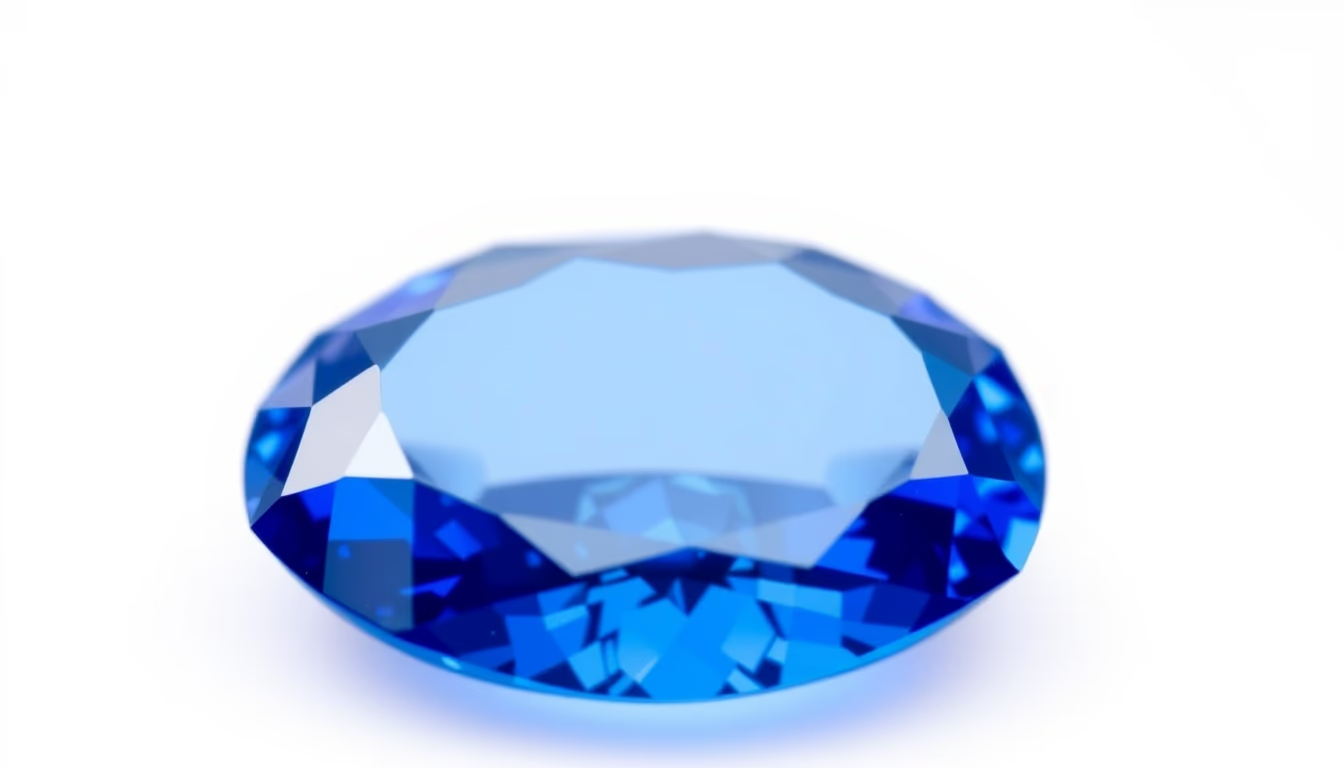
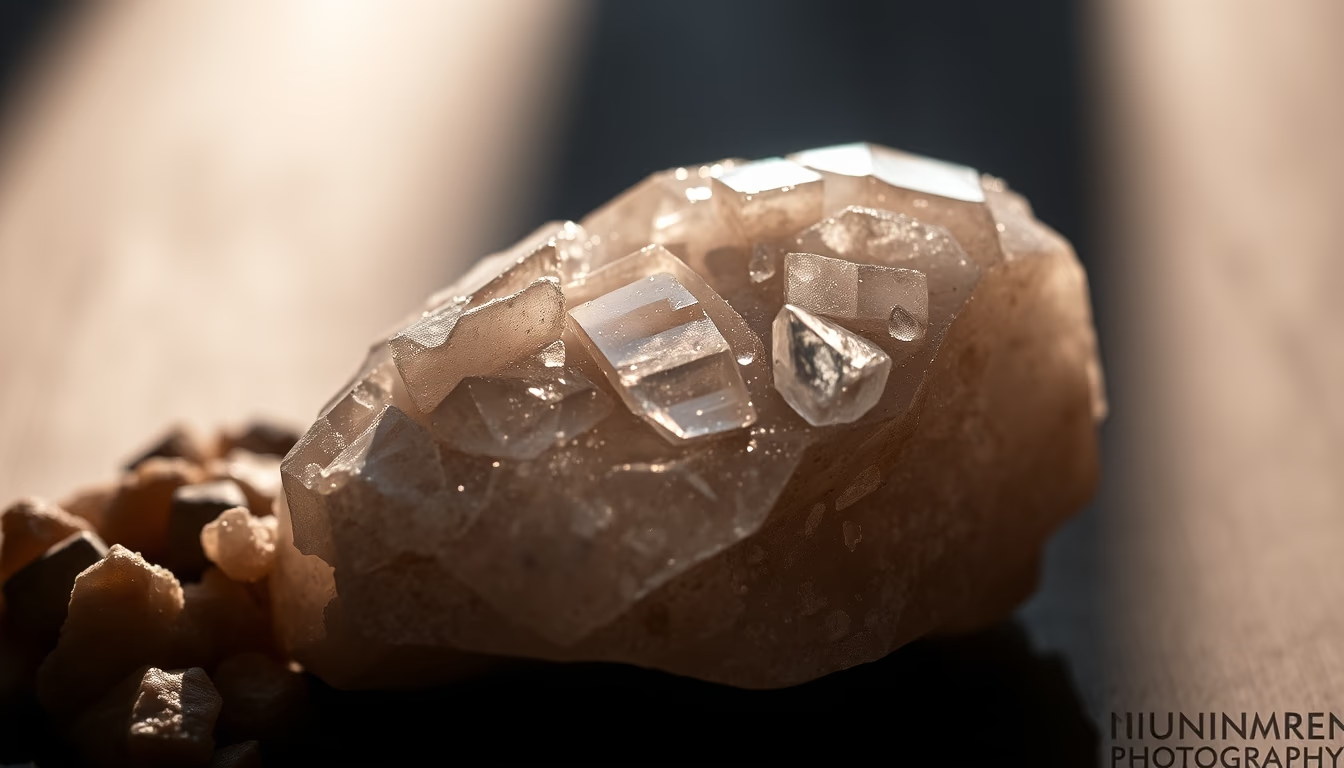
Sapphire blue gemstone
1344×768 · AVIF · CC BY 4.0
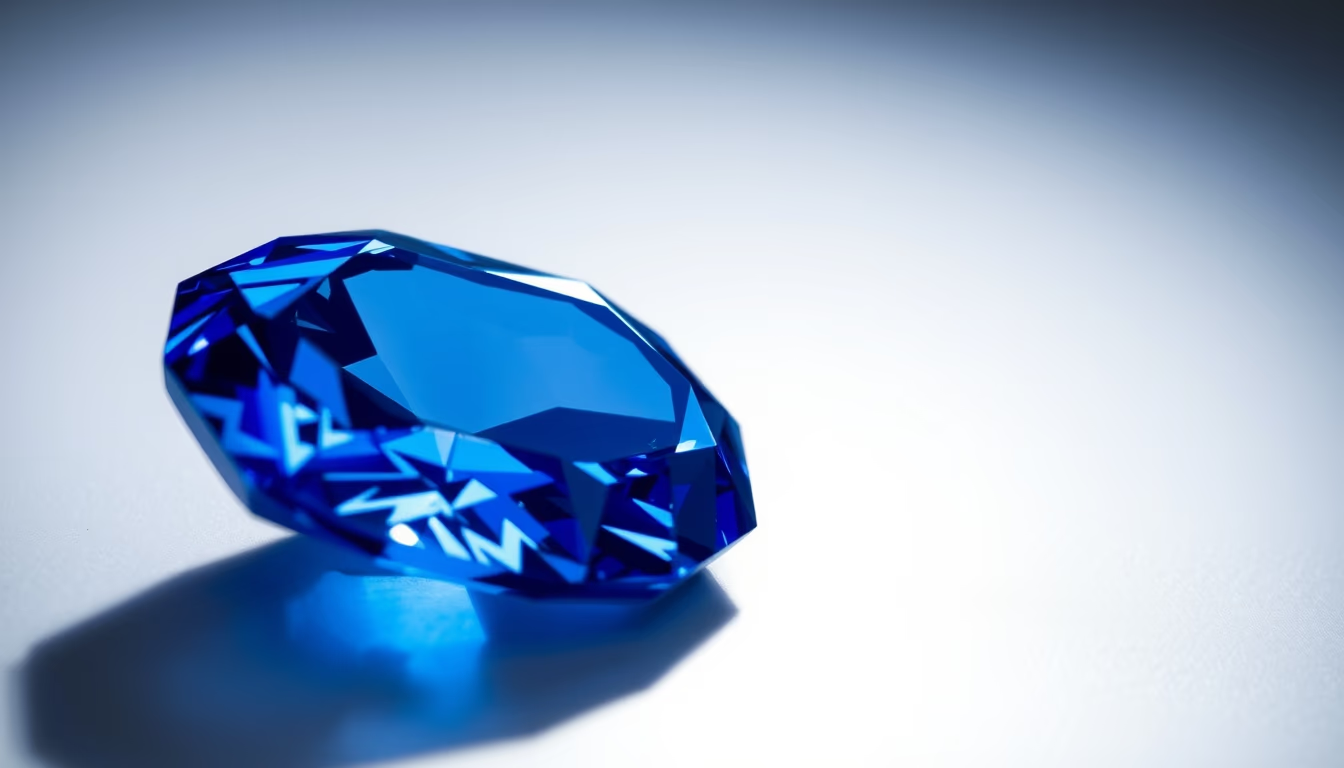
Blue sapphire is a variety of corundum, renowned for its intense color and hardness, making it one of the world's most precious gemstones.
About this subject
Blue sapphire is a gemstone variety of corundum (aluminum oxide, Al2O3). Its iconic blue color comes from trace amounts of titanium and iron within the crystal lattice. With a hardness of 9 on the Mohs scale, it is second only to diamond, making it highly scratch-resistant and suitable for everyday jewelry.
Major sources include Kashmir, Myanmar (Burma), Sri Lanka, Thailand, and Australia. Kashmir sapphires, with their deep velvety blue, are considered the finest. Sri Lankan (Ceylon) sapphires are known for lighter, brighter tones, while Australian sapphires are often darker with greenish hues. Each deposit produces unique color variations that affect value.
Historically, sapphire has symbolized wisdom, virtue, and good fortune. Medieval European clergy and royalty wore it. The 12-carat blue sapphire engagement ring of Princess Diana, now worn by Catherine, Duchess of Cambridge, boosted its popularity. Synthetic sapphire, first created in the early 20th century, is also used industrially for watch crystals and optical windows.
Notable facts: the largest blue sapphire ever found is the "Lone Star" at 9,719 carats from Sri Lanka. Some sapphires display asterism (a six-rayed star) when cut as cabochons, due to rutile inclusions. Heat treatment is common to enhance color and clarity; it is an accepted practice if disclosed. Ethical sourcing and regulations are increasingly important to mitigate negative impacts on mining communities.
Frequently Asked Questions
What causes the blue color in sapphire?
The blue color is caused by trace amounts of titanium (Ti3+) and iron (Fe2+) ions in the corundum crystal lattice. Their interaction absorbs certain wavelengths of light, producing the blue hue.
How hard is blue sapphire?
Blue sapphire has a hardness of 9 on the Mohs scale, second only to diamond (10). This makes it very resistant to scratching and suitable for everyday jewelry like rings.
Are synthetic sapphires different from natural ones?
Synthetic sapphires have the same chemical composition and crystal structure as natural ones but are created in a lab. The main difference is origin; synthetics are typically cheaper and have fewer flaws.
Direct URL
https://pub-c7d6a6ea828543ac903a74a341ccb2e1.r2.dev/imagens/sapphire-blue-gemstone-fine-art-photography-p9.avifHow to credit
Include a visible link back to UtilizAí. Copy one of the snippets below:
<a href="https://xn--utiliza-eza.com/en/midia/imagens/sapphire-blue-gemstone-fine-art-photography-p9">Sapphire blue gemstone</a> by <a href="https://xn--utiliza-eza.com">UtilizAí</a>, licensed under <a href="https://creativecommons.org/licenses/by/4.0/">CC BY 4.0</a>.
[Sapphire blue gemstone](https://xn--utiliza-eza.com/en/midia/imagens/sapphire-blue-gemstone-fine-art-photography-p9) by [UtilizAí](https://xn--utiliza-eza.com), CC BY 4.0
License: CC-BY-4.0