Saddle leather bench
1344×768 · AVIF · CC BY 4.0
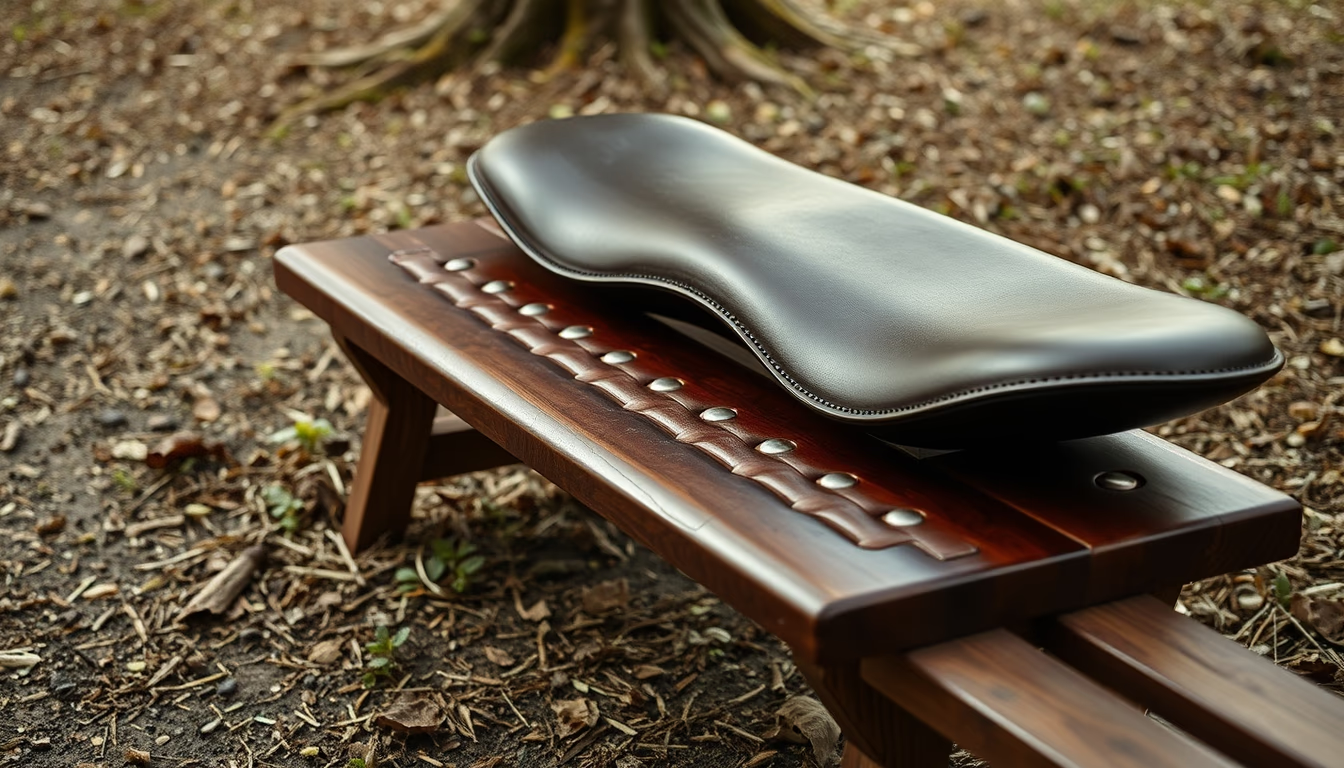
Saddle leather bench combines functionality and equestrian tradition, crafted in vegetable-tanned leather.
About this subject
The saddle leather bench is a piece of furniture rooted in equestrian traditions, especially in regions like Brazil's Pantanal, southern Brazil, and the Argentine pampas. Made with vegetable-tanned leather, the same material used in saddle making, this type of seat is valued for its durability and the patina it develops over time. Vegetable tanning, which uses tannins extracted from tree barks such as acacia and eucalyptus, gives the leather resistance to fungi and abrasion, as well as a characteristic smell often associated with rural environments.
In artisanal production, the leather is cut, stretched, and fixed onto a wooden frame, typically made of tauari or eucalyptus, with copper or brass nails. The leather thickness (between 3 and 5 mm) ensures the seat does not deform with use. Unlike common upholstered furniture, the saddle leather bench has no foam: support comes from the leather's tension and ergonomic design, which molds to the body over the years.
Culturally, these benches are common in farmhouses, lasso clubs, and equestrian supply stores. In Brazil, the tradition of raw leatherwork is strong in Rio Grande do Sul, where artisans produce pieces that can last decades. Interestingly, the technique of stretching leather over wooden frames is over 200 years old, brought by European immigrants and adapted to the tropical climate. Maintenance is simple: wipe with a damp cloth and periodically apply grease or linseed oil to moisturize.
Beyond practical use, the saddle leather bench also serves as rustic, sustainable decor. Vegetable-tanned leather is biodegradable and, at the end of its life, can be recycled. At craft fairs, such a piece can cost from R$ 800 to R$ 2,500, depending on the finish and type of wood.
Frequently Asked Questions
How to clean a saddle leather bench?
Use a clean, slightly damp cloth to remove dust. Avoid harsh soaps. Apply grease or linseed oil every 6 months to keep the leather hydrated and prevent cracking.
What is the difference between vegetable-tanned leather and chrome leather?
Vegetable-tanned leather is more durable and develops a patina over time, while chrome leather is softer and more flexible but less durable. For saddle benches, vegetable-tanned is the best choice.
Can a saddle leather bench be used outdoors?
Yes, as long as it is protected from direct rain and intense sun. Vegetable leather is resilient, but prolonged exposure can dry it out. Cover it when not in use.
Direct URL
https://pub-c7d6a6ea828543ac903a74a341ccb2e1.r2.dev/imagens/saddle-leather-bench-documentary-nature-style-fresh17.avifHow to credit
Include a visible link back to UtilizAí. Copy one of the snippets below:
<a href="https://xn--utiliza-eza.com/en/midia/imagens/saddle-leather-bench-documentary-nature-style-fresh17">Saddle leather bench</a> by <a href="https://xn--utiliza-eza.com">UtilizAí</a>, licensed under <a href="https://creativecommons.org/licenses/by/4.0/">CC BY 4.0</a>.
[Saddle leather bench](https://xn--utiliza-eza.com/en/midia/imagens/saddle-leather-bench-documentary-nature-style-fresh17) by [UtilizAí](https://xn--utiliza-eza.com), CC BY 4.0
License: CC-BY-4.0