Roman aqueduct ruins
1344×768 · AVIF · CC BY 4.0
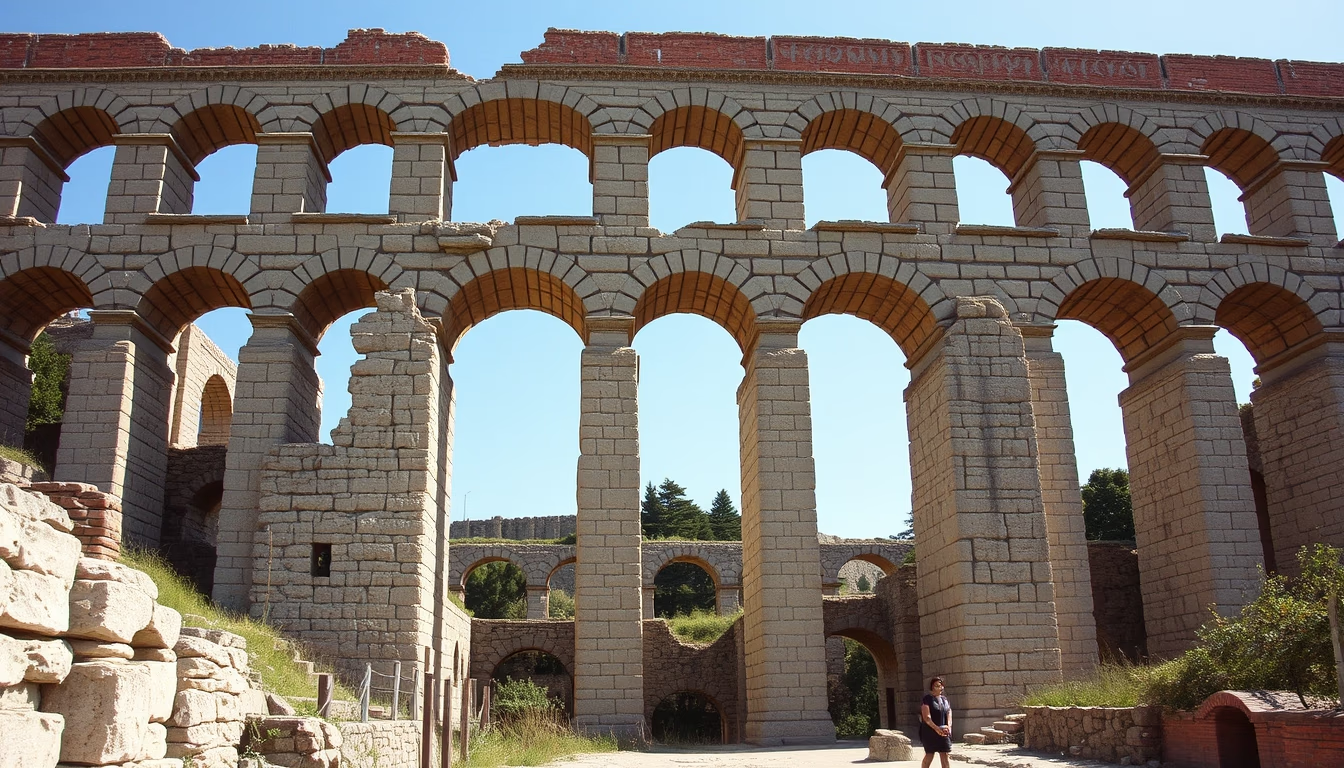
Roman aqueduct ruins showcase the hydraulic engineering that supplied water to imperial cities, with structures like Pont du Gard and Aqua Claudia.
About this subject
Roman aqueducts are feats of ancient engineering, designed to transport water from distant sources to urban centers. Built between the 4th century BC and 1st century AD, they relied on gravity with gentle slopes (about 0.5% to 1%) to maintain constant flow. The longest, Aqua Marcia, stretched 91 km. Many sections were underground, but monumental arcades such as the Pont du Gard (southern France, 50 km) and Aqua Claudia (Rome, 69 km) became iconic. The technology enabled the growth of cities with public baths, fountains, and sewers. After the fall of the Empire, many aqueducts fell into disuse or were damaged by earthquakes and wars. Today, preserved ruins in regions like Italy, France, Spain, and Turkey attract millions of visitors. The Aqueduct of the Miracles in Mérida (Spain) and the Segovia aqueduct, with its 167 arches, are outstanding examples. Archaeological research continues to reveal details about construction techniques using opus caementicium (Roman concrete) and maintenance by slaves and engineers.
Frequently Asked Questions
How did Roman aqueducts work without pumps?
They used gravity. Water was captured from elevated springs and channeled along constant slopes (about 0.5% to 1%) through stone, brick, or concrete conduits. Across uneven terrain, they built arcades and inverted siphons to maintain flow.
Which are the best-preserved Roman aqueducts?
The Pont du Gard in France, the Segovia Aqueduct in Spain, the Aqueduct of the Miracles in Mérida (Spain), and the ruins of Aqua Claudia in Rome are exceptional examples, all listed as UNESCO World Heritage sites.
Why are Roman aqueducts in ruins today?
After the decline of the Roman Empire, maintenance stopped. Many were destroyed by earthquakes, wars, or reused for building materials. Natural erosion and urban growth also contributed to their deterioration.
Direct URL
https://pub-c7d6a6ea828543ac903a74a341ccb2e1.r2.dev/imagens/roman-aqueduct-ruins-film-grain-authentic-p5.avifHow to credit
Include a visible link back to UtilizAí. Copy one of the snippets below:
<a href="https://xn--utiliza-eza.com/en/midia/imagens/roman-aqueduct-ruins-film-grain-authentic-p5">Roman aqueduct ruins</a> by <a href="https://xn--utiliza-eza.com">UtilizAí</a>, licensed under <a href="https://creativecommons.org/licenses/by/4.0/">CC BY 4.0</a>.
[Roman aqueduct ruins](https://xn--utiliza-eza.com/en/midia/imagens/roman-aqueduct-ruins-film-grain-authentic-p5) by [UtilizAí](https://xn--utiliza-eza.com), CC BY 4.0
License: CC-BY-4.0