Roll top desk antique
1344×768 · AVIF · CC BY 4.0
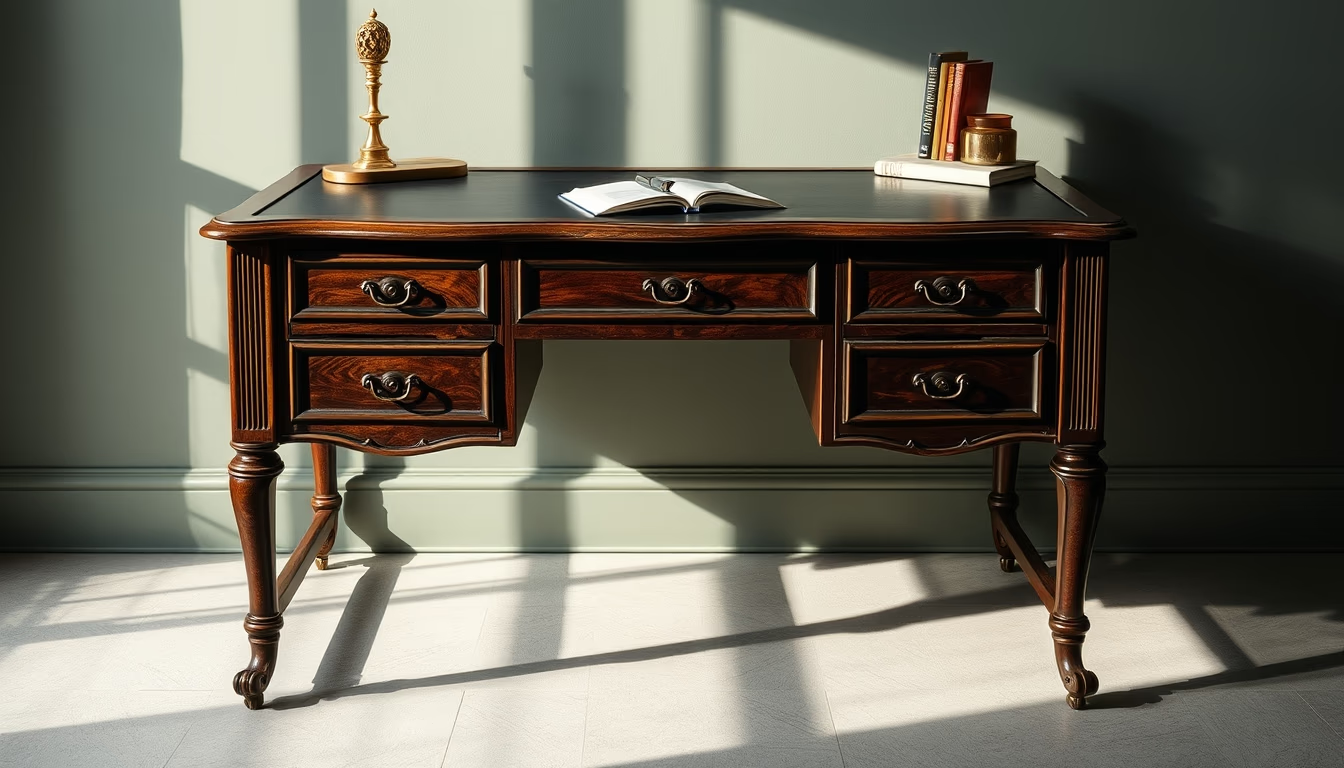
The antique roll top desk combines functional design and elegance, a wooden furniture piece with a rollable top that defined 19th century offices.
About this subject
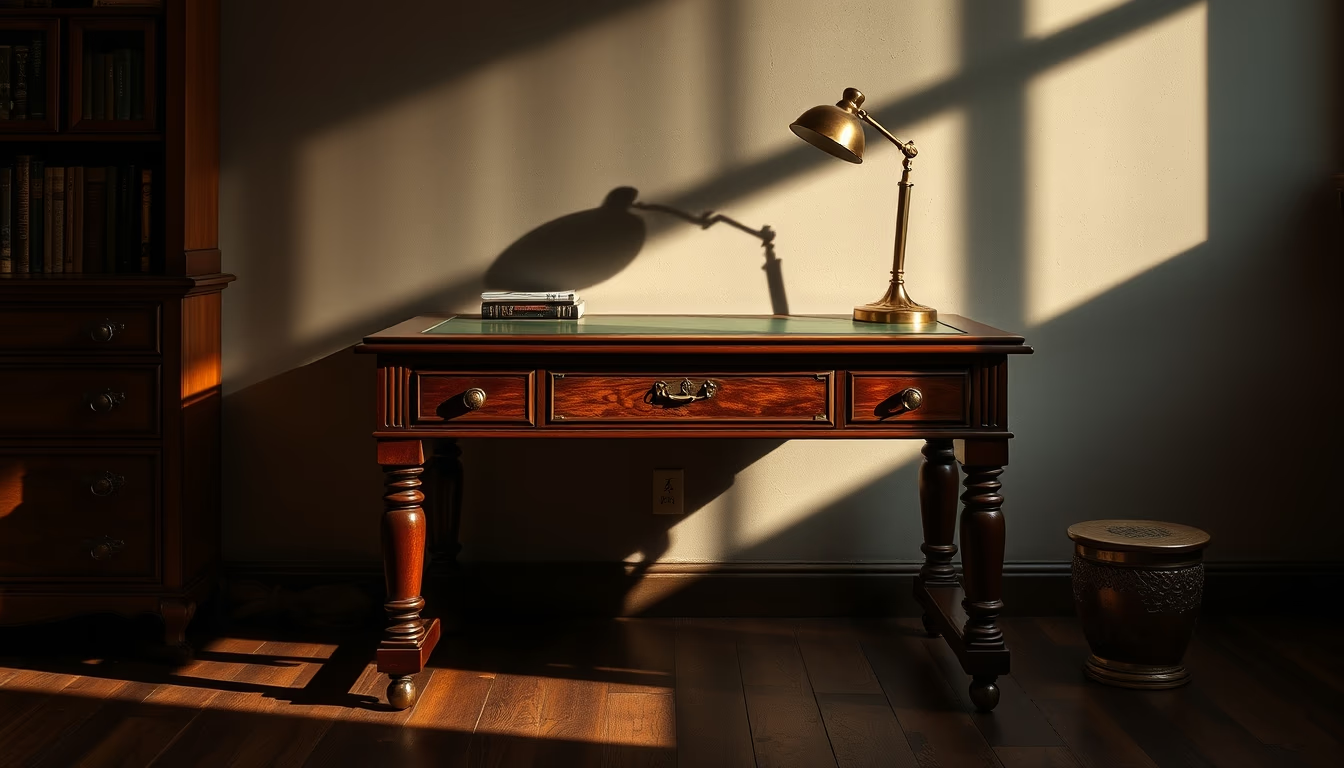
The roll top desk, also known as a tambour desk, is a classic piece of furniture that became a symbol of Victorian offices. It features a top made of curved wooden slats that slide on tracks, allowing the work surface to be completely covered for security and tidiness. Its popularity peaked from the mid-19th century to the early 20th century, particularly in the United States and Europe, being widely used by lawyers, accountants, and journalists.
The design was patented by Abner Cutler of Boston in 1854, although earlier versions existed. The innovation was the tambour mechanism, which enabled the top to roll up smoothly. Common materials were fine woods such as mahogany, oak, and walnut, often with carved or inlaid details. Renowned manufacturers included the Wooton Desk Company, famous for its ornate models, and Globe-Wernicke, which produced more affordable, modular versions.
Interestingly, original roll top desks are collector's items, sometimes fetching thousands of dollars at auction. Authenticity is verified by details like dovetail joints, solid metal locks, and the natural patina of the wood. Many reproductions were made in the 20th century, but they lack the craftsmanship of the originals. The desk has also inspired modern designs, adapting the retractable top concept to materials like plywood and laminate.
Culturally, the roll top desk represents the shift from manual labor to bureaucratic office work, an icon of organization and privacy. Its ingenious mechanism and Victorian aesthetic continue to fascinate, making it a sought-after piece for decorators and design historians alike.
Frequently Asked Questions
What sets a roll top desk apart from other antique desks?
The defining feature is the top made of wooden slats that slide on tracks, rolling up and back to securely enclose the work area. This tambour mechanism is unique to roll top desks.
How can I identify an authentic antique roll top desk?
Look for solid wood, dovetail joints, solid metal locks, and natural patina. Signs of wear like scratches and worn pulls also indicate age. Labels from manufacturers such as Wooton or Globe-Wernicke can help authenticate.
What wood is most common in antique roll top desks?
Mahogany, oak, and walnut are most frequent. Mahogany is especially prized for its durability, rich color, and resistance to pests. Mahogany models often have higher collector value.
Direct URL
https://pub-c7d6a6ea828543ac903a74a341ccb2e1.r2.dev/imagens/roll-top-desk-antique-magazine-editorial-fresh5.avifHow to credit
Include a visible link back to UtilizAí. Copy one of the snippets below:
<a href="https://xn--utiliza-eza.com/en/midia/imagens/roll-top-desk-antique-magazine-editorial-fresh5">Roll top desk antique</a> by <a href="https://xn--utiliza-eza.com">UtilizAí</a>, licensed under <a href="https://creativecommons.org/licenses/by/4.0/">CC BY 4.0</a>.
[Roll top desk antique](https://xn--utiliza-eza.com/en/midia/imagens/roll-top-desk-antique-magazine-editorial-fresh5) by [UtilizAí](https://xn--utiliza-eza.com), CC BY 4.0
License: CC-BY-4.0