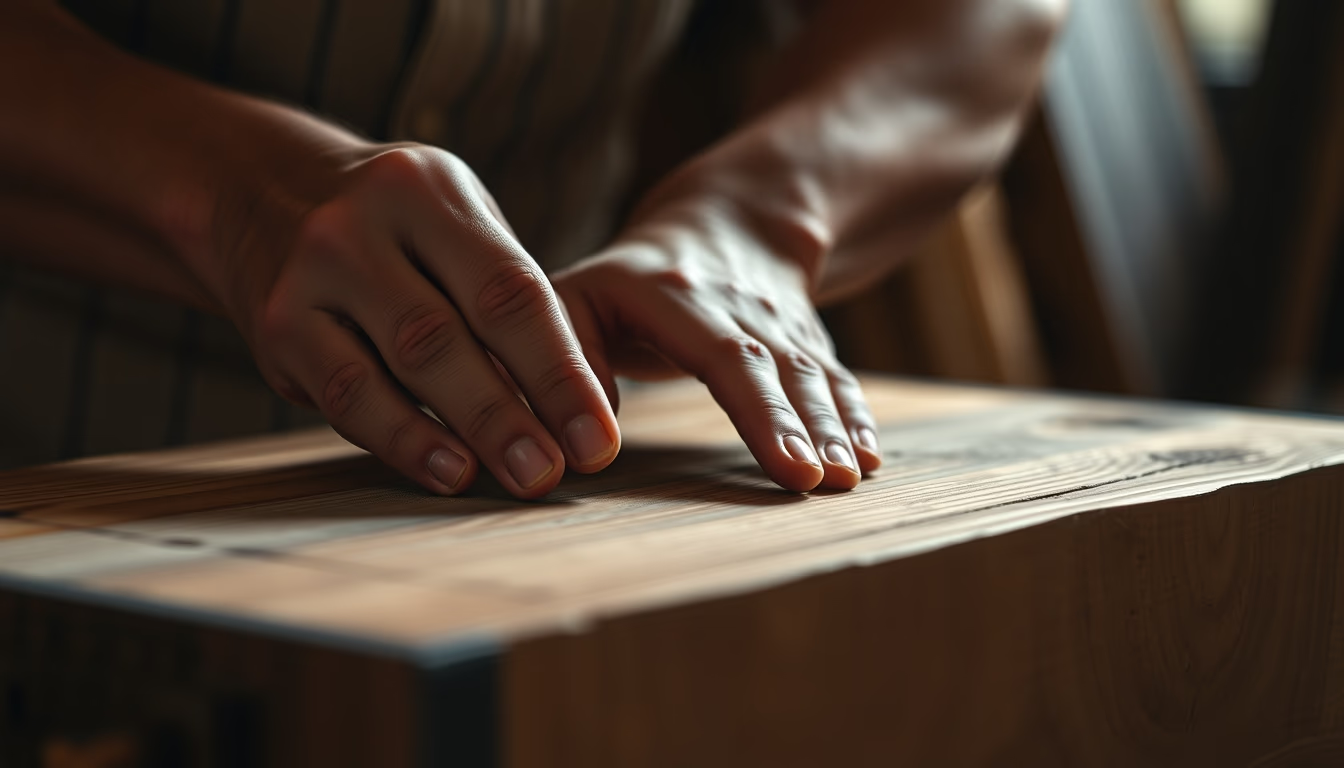
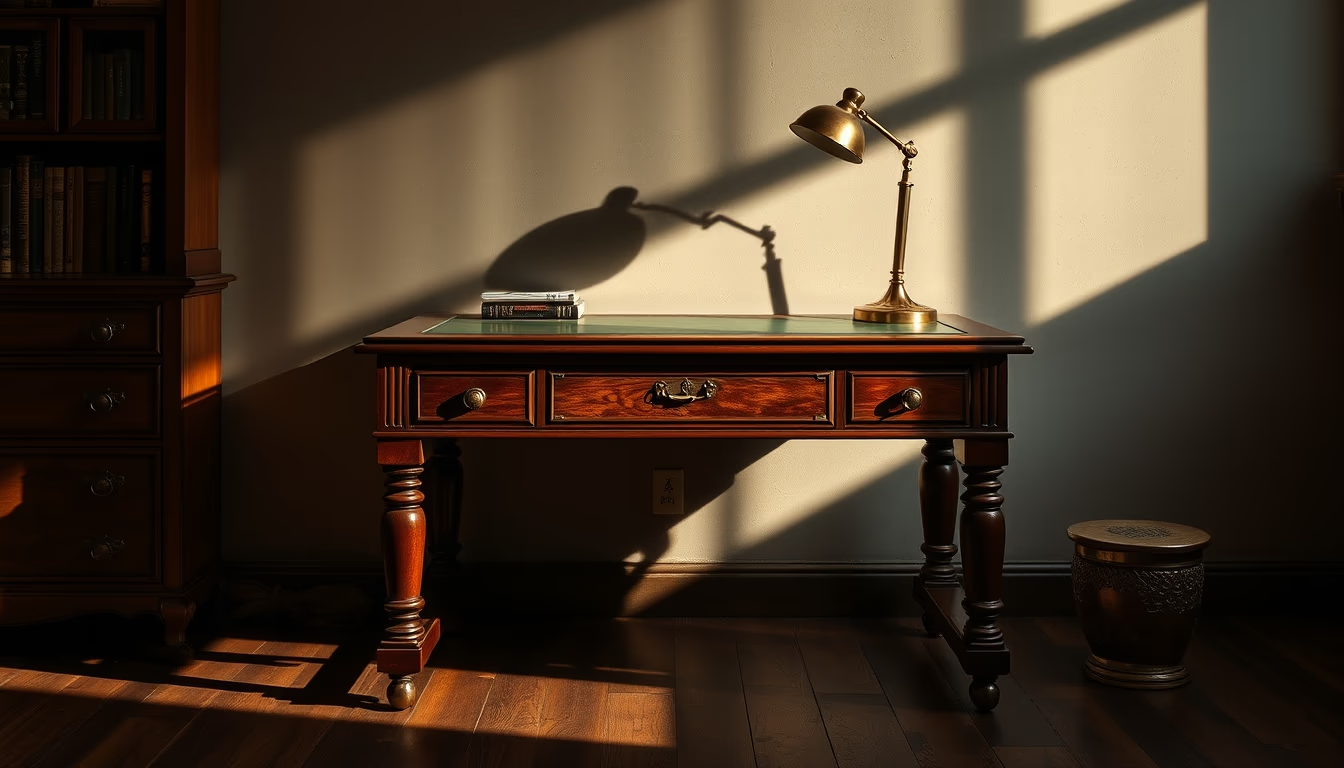
Roll top desk antique
1344×768 · AVIF · CC BY 4.0
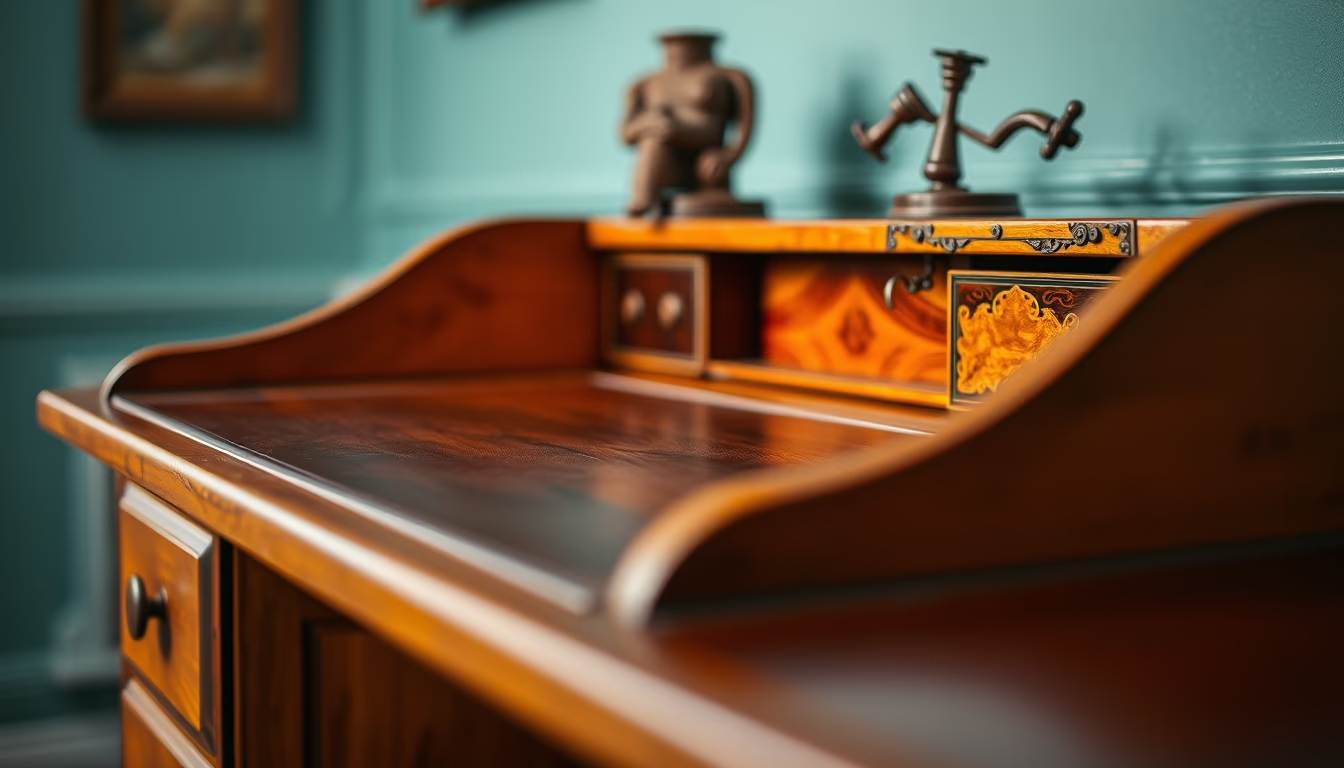
An antique roll top desk is a classic 19th-century piece featuring a retractable slatted tambour and hidden compartments.
About this subject
The roll top desk is a type of writing desk that gained widespread popularity during the Victorian era, particularly between 1850 and 1910. Its most distinctive feature is the curved top made of thin wooden slats (called a tambour) that slides along tracks, allowing the entire work surface to be enclosed when not in use. This design not only saved space but also provided security and privacy for documents and valuables.
Inside, these desks often featured elaborate systems of compartments, secret drawers, and carved handles, reflecting the high level of craftsmanship of the period. Common materials included mahogany, oak, and walnut, frequently finished with varnish or inlay. Many pieces boasted turned legs or ornate carvings, making them true functional works of art.
Culturally, the roll top desk is associated with 19th-century executive offices, law firms, and writers. Historical figures such as U.S. President Thomas Jefferson used similar models. Today, they are highly collectible items, often fetching high prices at auctions. Restoring such a piece requires specialized woodworking skills, as the rolling mechanism is delicate and often made of hardwood.
Interestingly, the term "roll top" derives from the rolling action of the top, which glides smoothly over internal cylinders. Although its peak was in the late 19th century, the design influenced modern desks and remains a symbol of vintage elegance and functionality.
Frequently Asked Questions
What is the difference between a roll top desk and a regular desk?
A roll top desk has a retractable slatted cover that fully encloses the work area, unlike a fixed desk. This feature allows hiding papers and objects, as well as saving space.
How can I identify an original antique roll top desk?
Look for dovetail joints, aged brass hardware, and hidden compartments. Solid wood construction and a smoothly operating tambour mechanism are also key indicators.
Why is the top called a 'roll top'?
The name comes from the rolling action of the top, which slides along curved tracks, resembling a retractable curtain. The slats are called a tambour, from the French word for 'drum', due to the shape.
Direct URL
https://pub-c7d6a6ea828543ac903a74a341ccb2e1.r2.dev/imagens/roll-top-desk-antique-macro-closeup-fresh2.avifHow to credit
Include a visible link back to UtilizAí. Copy one of the snippets below:
<a href="https://xn--utiliza-eza.com/en/midia/imagens/roll-top-desk-antique-macro-closeup-fresh2">Roll top desk antique</a> by <a href="https://xn--utiliza-eza.com">UtilizAí</a>, licensed under <a href="https://creativecommons.org/licenses/by/4.0/">CC BY 4.0</a>.
[Roll top desk antique](https://xn--utiliza-eza.com/en/midia/imagens/roll-top-desk-antique-macro-closeup-fresh2) by [UtilizAí](https://xn--utiliza-eza.com), CC BY 4.0
License: CC-BY-4.0