Rocking horse wooden
1344×768 · AVIF · CC BY 4.0
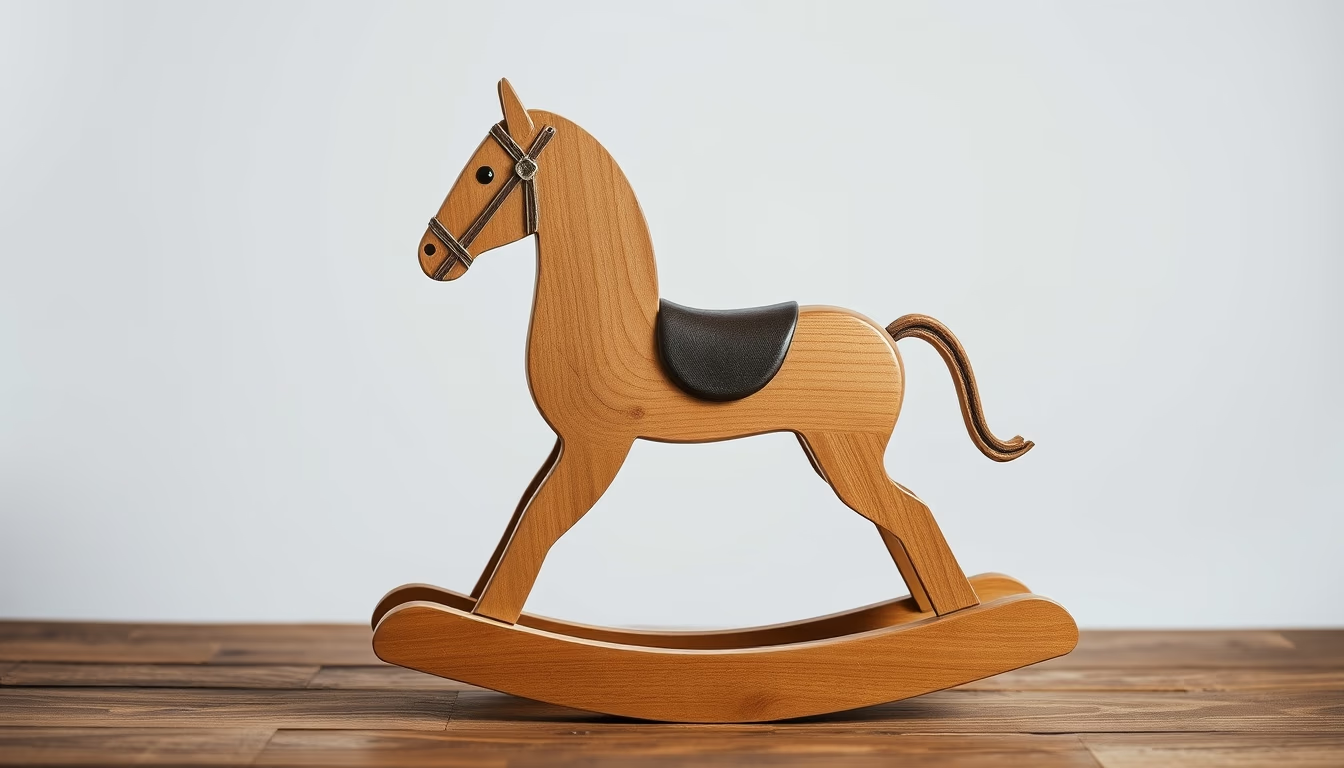
Wooden rocking horse, a classic toy that charms generations, symbol of childhood and traditional craftsmanship.
About this subject
The wooden rocking horse is one of the most iconic toys in history, present in homes around the world for centuries. Its origins date back to the 17th century, when European artisans began carving miniature horses for children of the nobility. The modern version, with curved rockers that allow rocking motion, gained popularity in the 19th century, especially in England and the United States, driven by the Industrial Revolution and mass toy production.
Handcrafted from woods like pine, beech, or mahogany, rocking horses are often hand-painted and decorated with realistic details such as real horsehair manes and leather saddles. Each piece requires skill from carvers and cabinetmakers, and is considered by many to be a form of art. Beyond play, the toy stimulates children's balance and motor coordination, providing hours of imaginative fun.
In Brazil, the rocking horse arrived with Portuguese colonizers and adapted to local culture. Rustic versions made from reclaimed wood or cecropia are common in rural areas, while more sophisticated models are decorative items in antique shops. Despite competition from electronic toys, the rocking horse retains its nostalgic appeal and is often passed down through generations as a sentimental heirloom.
Interestingly, the rocking horse also appears in works of art, literature, and cinema, symbolizing innocence and nostalgia. Paintings like Norman Rockwell's "The Rocking Horse" and films like "The Great Gatsby" feature the toy as a scenic element. Today, collectors pay high prices for antique pieces, especially those made by traditional brands such as Collinson and Stevenson Brothers.
Frequently Asked Questions
What is the origin of the wooden rocking horse?
It originated in 17th-century Europe, initially for noble children. It became popular in the 19th century with mass production.
What woods are used in manufacturing?
Commonly pine, beech, mahogany, and in Brazilian versions, reclaimed wood or cecropia.
Why is the rocking horse considered a collectible item?
Due to its historical, artisan, and nostalgic value. Antique pieces from renowned brands can be worth thousands of dollars.
Direct URL
https://pub-c7d6a6ea828543ac903a74a341ccb2e1.r2.dev/imagens/rocking-horse-wooden-studio-still-life-fresh6.avifHow to credit
Include a visible link back to UtilizAí. Copy one of the snippets below:
<a href="https://xn--utiliza-eza.com/en/midia/imagens/rocking-horse-wooden-studio-still-life-fresh6">Rocking horse wooden</a> by <a href="https://xn--utiliza-eza.com">UtilizAí</a>, licensed under <a href="https://creativecommons.org/licenses/by/4.0/">CC BY 4.0</a>.
[Rocking horse wooden](https://xn--utiliza-eza.com/en/midia/imagens/rocking-horse-wooden-studio-still-life-fresh6) by [UtilizAí](https://xn--utiliza-eza.com), CC BY 4.0
License: CC-BY-4.0