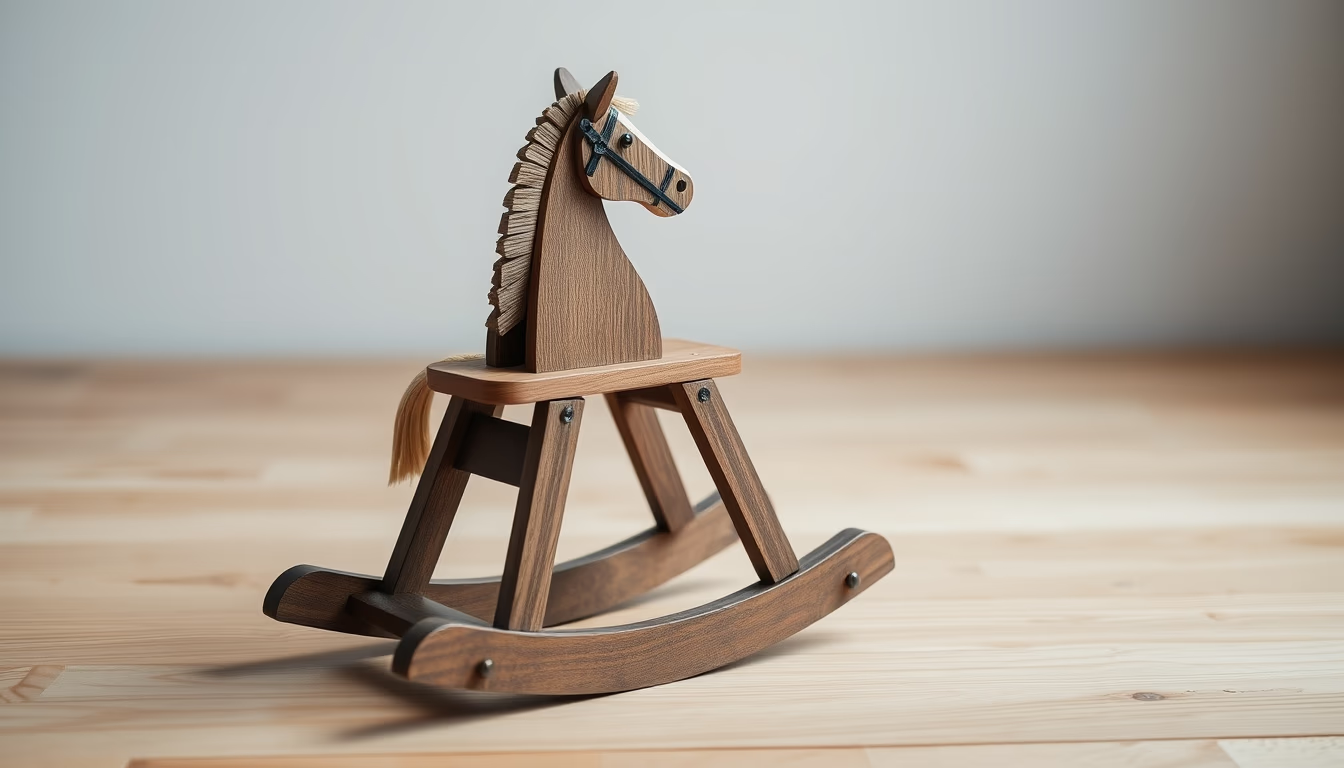
Rocking horse wooden
1344×768 · AVIF · CC BY 4.0

The wooden rocking horse is a classic toy that has delighted children for centuries, combining traditional craftsmanship and cultural symbolism.
About this subject
The wooden rocking horse has origins dating back to the 17th century, when the first examples appeared in Europe, especially England. During the Victorian era, it became a symbol of status and affection, often hand-carved from hardwoods like beech, pine, or maple. Each piece was unique, with manes made of real hair or painted, and often passed down through generations.
Building a handmade rocking horse requires skill in woodworking and carving. Frames are cut from plywood or solid wood, sanded, and assembled with mortise-and-tenon joints. The rockers are attached to wooden or metal arcs, ensuring balance and smooth motion. Decorative painting, with saddles and reins, is done by hand or using stencils, preserving the vintage charm.
Culturally, the rocking horse represents a child's first riding experience, stimulating imagination and motor development. In countries like the United States and the United Kingdom, it is a nostalgic item found in nurseries and even toy museums. It is also used in occupational therapy for children with motor difficulties, as the rhythmic motion calms and strengthens muscles.
Today, modern versions follow strict safety standards (e.g., EN 71 in Europe), with rounded edges and non-toxic paints. Nevertheless, antique and handmade models are prized by collectors and decorators, often restored and displayed as rustic decorative pieces.
Frequently Asked Questions
What is the origin of the wooden rocking horse?
The earliest records of rocking horses date back to 17th-century Europe, but the toy became popular during the English Victorian era, when it became a common item in affluent homes.
How are handmade rocking horses made?
They are built from solid wood (beech, pine, or maple), hand-carved, assembled with joinery, and painted with non-toxic paints. The rockers are attached to wooden or metal arcs.
Do modern rocking horses follow safety standards?
Yes, commercially available models must meet standards like EN 71 in Europe, which require rounded edges, non-toxic paints, and stability to prevent tipping.
Direct URL
https://pub-c7d6a6ea828543ac903a74a341ccb2e1.r2.dev/imagens/rocking-horse-wooden-isometric-flat-lay-fresh8.avifHow to credit
Include a visible link back to UtilizAí. Copy one of the snippets below:
<a href="https://xn--utiliza-eza.com/en/midia/imagens/rocking-horse-wooden-isometric-flat-lay-fresh8">Rocking horse wooden</a> by <a href="https://xn--utiliza-eza.com">UtilizAí</a>, licensed under <a href="https://creativecommons.org/licenses/by/4.0/">CC BY 4.0</a>.
[Rocking horse wooden](https://xn--utiliza-eza.com/en/midia/imagens/rocking-horse-wooden-isometric-flat-lay-fresh8) by [UtilizAí](https://xn--utiliza-eza.com), CC BY 4.0
License: CC-BY-4.0